If your small booth has noticeable reflections or picks up background noise, a dynamic microphone used close to your mouth could be a good starting point. In a quiet, acoustically controlled space, a condenser microphone may be better suited to capturing subtle vocal nuances. The exact microphone position and signal chain also matter, as do phantom power or sufficient preamp gain, depending on the model. This guidance is based on manufacturers’ specifications and is no substitute for listening tests in your own booth.
Which approach is right for you?
Singing in a reflective booth
If you can hear unwanted room sound when singing or listening to test recordings, pay particular attention to using the microphone at close range and keeping it in a stable position. RØDE recommends choosing a room with as little echo as possible for vocal recordings.
Detail-focused solo recording
In a quiet, acoustically controlled booth, consider a condenser microphone if subtle vocal nuances are important to you. Factor in the positioning and power requirements of the specific model. Audio-Technica describes condenser microphones as a suitable option for detailed recordings in quiet or treated environments.
Recording without a dedicated interface
If you want to start recording directly on your computer or switch to XLR later, check the connections and what’s included carefully. The manufacturer lists USB and XLR connections for the RØDE NT1 5th Generation; 48 V phantom power is required for XLR operation.
What should you consider when choosing?
Dynamic microphone with XLR
A good fit if: You sing close to the microphone and want to take reflections or background noise into account in a minimally treated booth. Shure also lists the SM58 for studio recording.
Consider: A dynamic design doesn’t make room acoustics irrelevant. With the Shure SM7B, you’ll also need to check that your setup provides enough preamp gain.
Condenser microphone
A good fit if: Your booth is quiet and acoustically controlled, and you want to capture subtle vocal nuances.
Consider: Depending on the model, reflections and background noise may be picked up more clearly. Connections, phantom power requirements and accessories also vary.
Start by recording a short test at the spot where you plan to sing. The percentages refer to consumers choosing a microphone for solo singing in a small booth, and group them by their main priority.
| Priority |
What to check when buying |
Who it matters most to |
| Room sound and background noise |
Test recording at your singing position; polar pattern and microphone position. |
If I want to limit audible reflections or ventilation noise in my vocal track, microphone placement matters just as much to me as the microphone type. Around 33% of consumers say room sound is their main priority. |
| Subtle vocal details |
Quiet recording environment; specific model details on polar pattern and self-noise. |
In a quiet, controlled booth, I want to capture subtle vocal nuances without losing sight of room reflections. Around 27% of consumers have this as their main priority. |
| Connection and setup |
USB or XLR; for XLR, check the required phantom power and compatible input equipment. |
If I want to start recording on my computer without a dedicated interface or use my existing setup, the signal chain needs to work with the microphone. Around 20% of consumers focus on connections and setup. |
| Complete setup |
Contents of the exact version; mount, pop filter, cables and any necessary input equipment. |
I want to know what else I need for recording, rather than just comparing microphone models. Around 20% of consumers have the overall package as their main priority. |
Common misconceptions
-
A small booth is automatically acoustically dead
Hard surfaces can cause reflections, and background noise can still be noticeable in a small room.
Listen to a short recording from the spot where you plan to sing and try different microphone positions before choosing based on microphone type alone.
Trying another position or adding acoustic treatment may take time and require extra setup.
-
An XLR condenser microphone can be plugged straight into any computer
An XLR microphone needs a suitable signal chain. According to the manufacturer, the Audio-Technica AT2020 requires 48 V phantom power; the RØDE NT1 5th Generation also needs it for XLR operation.
Check the full model name and make sure your interface provides the required phantom power. USB and XLR connections use different signal paths.
Depending on your existing setup, you may need a compatible interface and an extra cable.
-
All you need to plan for with the Shure SM7B is the microphone itself
Shure specifies a minimum of 60 dB of preamp gain for the SM7B to achieve the intended sound.
Compare this manufacturer’s specification with the microphone input on your existing setup before choosing the model.
If your existing input equipment isn’t sufficient, you may need a suitable preamp.
Notable brands and models
Shure
Shure says the dynamic SM58 is designed for both stage and studio use; the SM7B is another option for studio recording.
- Shure specifies a cardioid polar pattern and an integrated pop filter for the SM58.
- Shure specifies a minimum of 60 dB of preamp gain for the SM7B; this requirement doesn’t apply across the board to other Shure models.
RØDE
According to RØDE, the NT1 5th Generation combines USB and XLR connections for vocal recording.
- RØDE lists a shock mount, pop filter and both cables as included.
- 48 V phantom power is required for XLR operation; the connections won’t eliminate unwanted room reflections.
Audio-Technica
The AT2020 is a side-address XLR condenser microphone for home and project studios.
- Audio-Technica specifies a cardioid polar pattern and lists a stand mount and pouch as included.
- The model requires 48 V phantom power; a pop filter isn’t included in the listed contents.
LEWITT
According to LEWITT, the LCT 440 PURE is a cardioid XLR condenser microphone for vocals and instruments.
- LEWITT specifies self-noise of 7 dB(A) for the model and lists a shock mount and magnetic pop filter as included.
- These manufacturer specifications are no substitute for listening tests in your own booth.
sE Electronics
According to the manufacturer, the X1 A is an XLR condenser microphone for studio applications, including vocals.
- The manual lists switchable attenuation and a switchable low-cut filter.
- The X1 A requires 48 V phantom power; the box contents are listed as the microphone, a stand clamp and a thread adaptor.
Joybuy products for vocal recording
The products below range from dynamic USB and XLR microphones to wireless systems for voice and video recording. In particular, check whether the design and connection type suit a fixed solo recording setup in your booth.
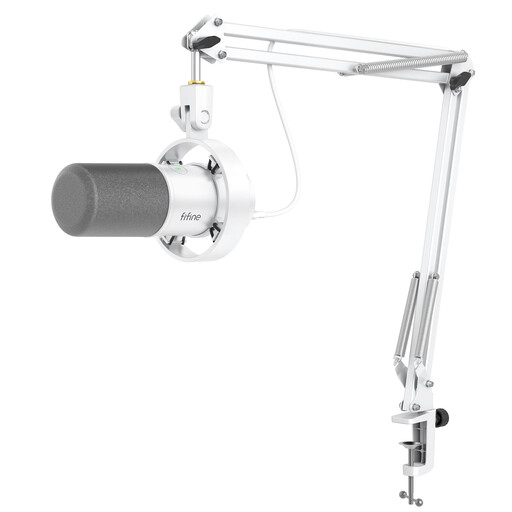 No image available
FIFINE K688CTW USB/XLR microphone with boom arm
For vocal recording with a dynamic USB or XLR microphone; the boom arm lets you adjust its position at your recording spot.
Accessories listed include a USB-C cable, boom arm and shock mount. An XLR cable isn’t included.
Joybuy
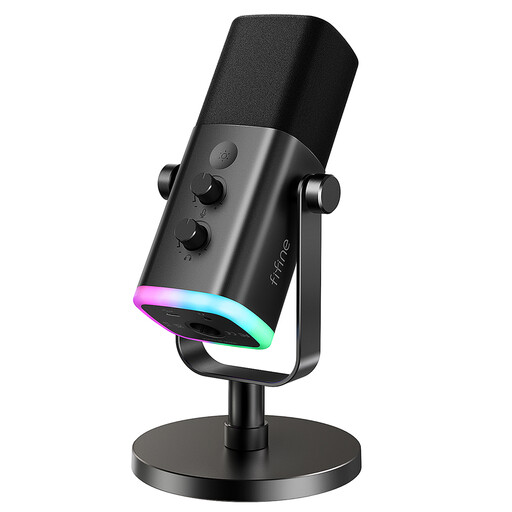 No image available
FIFINE AM8 dynamic USB/XLR microphone
For vocal recording with a dynamic microphone and a choice of USB or XLR connection.
The product details specify a unidirectional polar pattern and a desktop stand. A separate XLR cable is required for XLR operation.
Joybuy
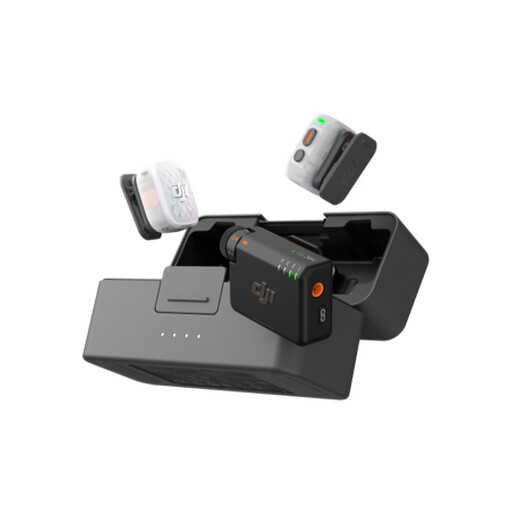 No image available
DJI Mic Mini 2S (2 TX + 1 RX + Charging Case)
A wireless system for voice recording if you’re looking for a portable design rather than a stationary XLR studio microphone.
Specifications include internal 32-bit float recording and compatibility with PCs and smartphones.
Joybuy
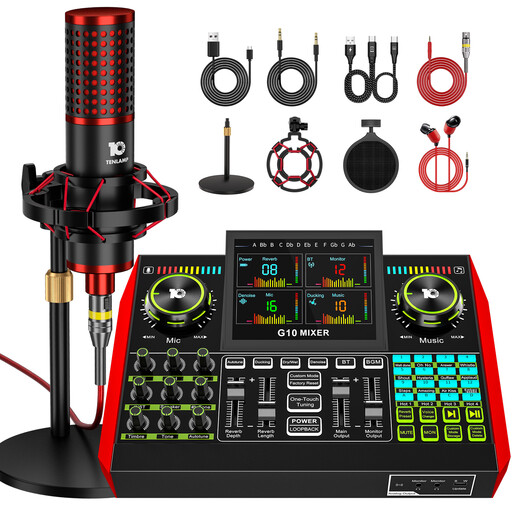 No image available
Yinkaer G10-P17 podcast microphone kit
For voice and vocal recording with a wireless system; check in advance that the connections are compatible with your recording device.
The kit includes an audio mixer and a 3.5 mm condenser microphone. It also lists USB-C, Lightning and 3.5 mm TRS connections, as well as internal recording at 48 kHz/24-bit.
Joybuy
 No image available
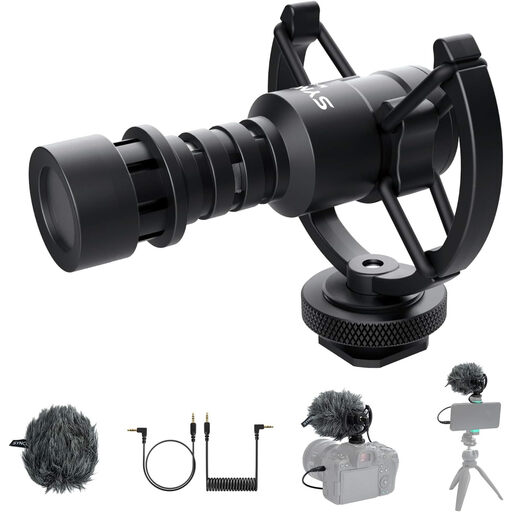
SYNCO M1S directional video microphone
This external microphone is described as a video mic and may suit directional voice recording, provided the connection is compatible with your recording device.
Specifications include a cardioid polar pattern, shock mount, windscreen, and 3.5 mm TRS and TRRS cables.
Joybuy
Frequently asked questions
How can I tell whether my small booth is suitable for recording?
Start by making a short vocal recording at your intended recording position, using the microphone placement you plan to use. RØDE recommends choosing a room with as little echo as possible. Soft, dense materials can reduce reflections, but they won’t automatically solve every room-related problem.
Does my microphone need 48 V phantom power?
According to their manufacturers’ documentation, the Audio-Technica AT2020 and sE Electronics X1 A require 48 V; the RØDE NT1 5th Generation needs it for XLR operation. Always check the instructions for the exact model and connection variant.
How much preamp gain do I need for the Shure SM7B?
Shure specifies a minimum of 60 dB of preamp gain for the SM7B. Compare this manufacturer’s requirement with the microphone input on your interface or other input equipment.
What are my rights when buying a microphone online in Germany?
When you buy online as a consumer, you generally have a right to cancel. According to the Verbraucherzentrale, this is usually 14 days; when the period starts and which exceptions apply depend on the circumstances. The Verbraucherzentrale also distinguishes statutory rights in the event of defects, which you can exercise against the seller, from a voluntary guarantee.


