
Lieferung heute & morgen

Qualitätsgarantie

Willkommens-Angebote freischalten: KOSTENLOSE Lieferung | Bis zu 80 % RABATT | Kostenlose 30-Tage-JoyPlus-Testphase
App herunterladen
Choosing a new e-bike can be a challenge with so many models and technical specifications available. Whether for the daily commute, leisurely weekend rides, or as a flexible alternative to a car, everyone's needs for an electric bicycle are unique. This guide is designed to bring clarity to your search. We'll introduce different types of e-bikes and highlight the key features essential for making an informed purchase decision.
As your Joybuy Product Recommendation Officer, I have compiled information on models that stand out for their specific features, making them suitable for a variety of uses.
Before you buy a pedelec, it's helpful to consider a few fundamental aspects. These three points will form a solid foundation for your choice.
The market offers a suitable model for every purpose. Your daily routes and personal preferences will determine which type is the best fit for you.
An e-bike with a powerful battery is a crucial criterion for many users. Battery capacity is measured in watt-hours (Wh)—the higher the value, the greater the potential range. Manufacturer claims about range are often ideal-world figures. The actual distance you can cover on a single charge depends on factors like the assistance level selected, rider weight, terrain, and tyre pressure. A 500 Wh battery is a good standard, while models with over 700 Wh are designed for exceptionally long tours.
In Germany, the legal classification is critical. Most e-bikes sold in the country are pedelecs (Pedal Electric Cycles). A 25 km/h pedelec only assists the rider while pedalling and cuts off motor support at 25 km/h. To be legally considered a bicycle, allowing it to be ridden on public roads without an insurance plate or a driver's license, it must be StVZO-compliant. This means it must be equipped with a regulation-compliant lighting system, reflectors, and two independent brakes.
Here is a selection of models that cover a range of needs—from rugged all-terrain bikes to practical city runabouts.
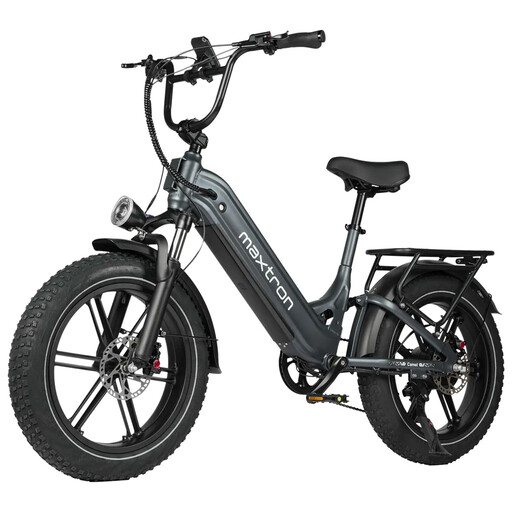
Why it stands out: The Vankel Camel is a fat tyre e-bike that combines versatility and performance. Its most striking features are the 20" x 4.0" CST fat tyres, which provide excellent grip on almost any surface, and its exceptionally powerful battery.
Pros:
Who is it for? This model is aimed at riders looking for a robust e-bike for varied terrain. It's ideal for commuters who also travel on unpaved paths, as well as for recreational cyclists who don't want to be limited to asphalt on their tours.
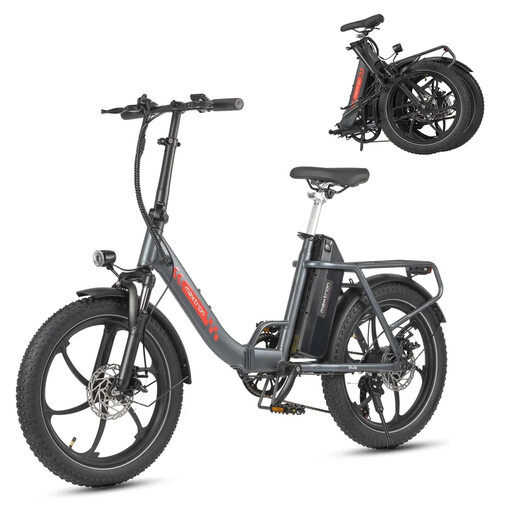
Why it stands out: The Vankel E1 is a folding e-bike that makes no compromises on battery performance. With a 960 Wh battery, it offers a range that is unusually high for a folding bike, combining this with the practicality of a foldable frame.
Pros:
Who is it for? Ideal for commuters who cover parts of their journey by bus or train. It's also an excellent option for campers or boat owners who need a space-saving yet powerful e-bike for excursions.
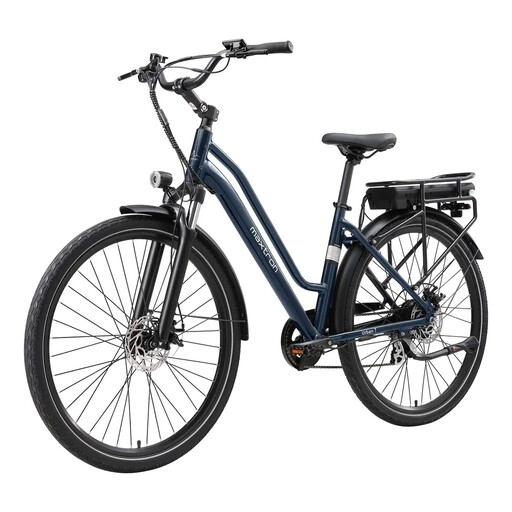
Why it stands out: The Deruiz Urban 7 is a classic city e-bike consistently designed for comfort and everyday usability. The ultra-lightweight aluminium frame with a low step-through and the adjustable handlebar allow for a particularly ergonomic and relaxed riding position.
Pros:
Who is it for? This bike is the right choice for anyone looking for an uncomplicated, comfortable, and reliable e-bike for daily city rides or leisurely excursions. Users who particularly value an easy-access frame will appreciate this model.
The models featured here already cover a broad spectrum. However, if you are looking for specific accessories like helmets, locks, or other types of bicycles, you will find a wider selection in our category.
? Explore our entire selection of E-Bike Gear
1. What is the difference between an e-bike and a pedelec? In common usage, both terms are often used interchangeably. Technically, a pedelec (Pedal Electric Cycle) is a bicycle where the motor only provides assistance when the rider is pedalling, and it cuts off at 25 km/h. It is legally equivalent to a bicycle. E-bikes, in the stricter sense, can also be propelled by a throttle without pedalling and, depending on their speed, are classified as mopeds, which requires insurance. The models presented here are pedelecs.
2. How far can I realistically get on a single battery charge? The range heavily depends on external factors. In addition to battery capacity (in Wh), rider weight, the selected assistance level, the route's terrain (inclines), outside temperature, and tyre pressure all influence the actual distance. With an e-bike with a powerful battery (e.g., > 700 Wh), ranges of over 100 km are possible with an economical riding style, whereas the range will be significantly lower with full assistance on hills.
3. Does my e-bike need to be StVZO-compliant to be ridden on the road? Yes, if you want to use your pedelec on public roads in Germany, it must comply with the regulations of the German Road Traffic Licensing Regulations (StVZO). This includes a functioning lighting system (front and rear), reflectors, and two independent brakes. All models marked as StVZO-compliant meet these requirements and are approved for road use.