
Lieferung heute & morgen

Qualitätsgarantie

Willkommens-Angebote freischalten: KOSTENLOSE Lieferung | Bis zu 80 % RABATT | Kostenlose 30-Tage-JoyPlus-Testphase
App herunterladen
When you buy juice online, you're faced with a huge selection. Labels can be confusing, and it's not always easy to find the right product for your needs. As your Joybuy Product Recommendation Officer, I'll help you identify the key features and avoid common pitfalls so you can make an informed decision.
The packaging often makes big promises, but the contents can vary. Here are three points that frequently lead to poor purchasing decisions:
To ensure you get exactly what you're looking for, you should check three core parameters before buying. These will help you objectively compare products when you order fruit juice online.
The German Fruit Juice and Soft Drinks Ordinance (FrSaftErfrischGetrV) sets clear rules:
A look at the label is essential to identify healthy juices. Pay attention to the following points:
Besides classics like apple and orange juice, there is a growing variety of multi-fruit juice blends, single-variety grape juice, or even concentrated ginger shots. For daily needs or stocking up, a bulk-pack of juice can be a practical and often more economical option. Those who enjoy trying new things will also find exciting Asian drinks, which often offer unique flavour profiles and textures.
Here are some product recommendations tailored to different needs and preferences.
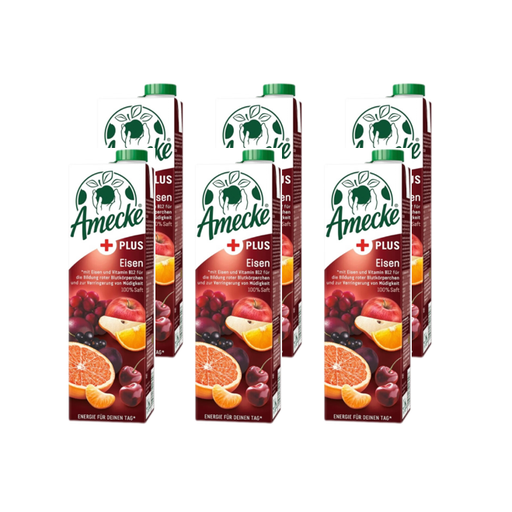
Why This Fits Their Persona: Ideal for families who plan their weekly shopping and prioritise a nutrient-conscious diet. This multi-fruit juice offers a targeted supplement for daily life.
Instead of vague health promises, this product makes a clear statement: It's a juice with iron and vitamins. The ingredients list is transparent and shows that it is a multi-fruit juice.
Contains iron(II) lactate, Vitamin C, and B12. The bulk pack of 6 litres is convenient for regular consumption.
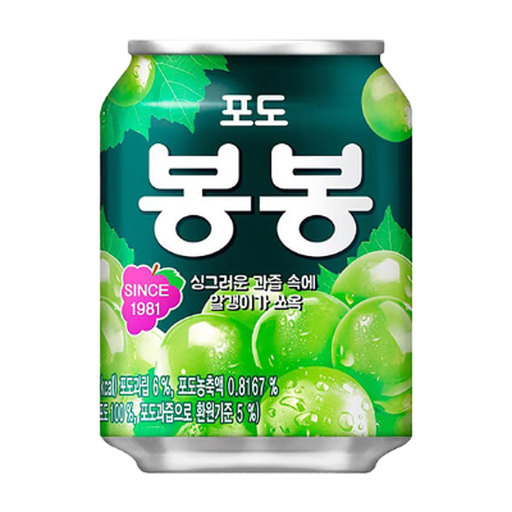
Why This Fits Their Persona: Perfect for anyone curious about Asian drinks and looking for a unique taste experience. This Korean beverage is different from classic European juices.
This product is clearly positioned as a sweet soft drink, not a pure fruit juice. It bypasses the nectar vs. juice confusion by offering a unique experience with real fruit pieces.
Contains real grape pulp for a special texture. Offers an authentic taste popular in South Korea.
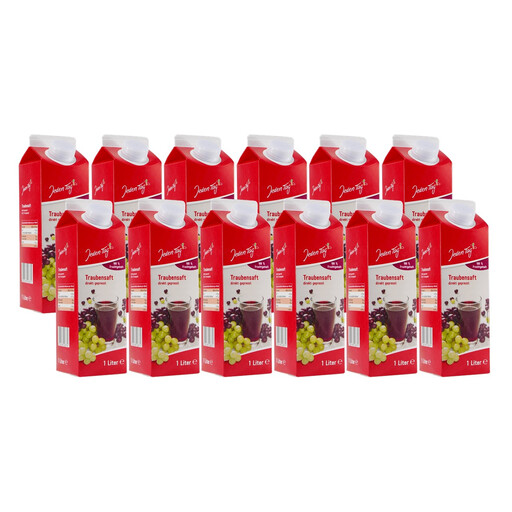
Why This Fits Their Persona: For households looking for a solid, basic juice for daily enjoyment who want to shop smart by buying in larger quantities. A classic grape juice in its purest form.
This product avoids the "100% fruit" trap through clarity: It is a 100% not-from-concentrate juice. This means it was pressed directly from grapes and not reconstituted from concentrate. No added sugar.
Pure not-from-concentrate juice with no additives. The large bulk pack of 12 litres ensures a long-lasting supply.
We have compiled a complete, real-time list of products that fully satisfy these strict selection criteria and UK safety regulations.
A not-from-concentrate juice is pressed directly from the fruit after harvesting, then pasteurised and bottled. Its taste is considered particularly authentic. For juice from fruit juice concentrate, water and aroma are removed from the freshly pressed juice in its country of origin. The concentrate is then transported to the bottler, where it is reconstituted to its original fruit content with specially treated drinking water and the previously extracted aromas. Both versions have a fruit content of 100%.
Opened juices should always be stored in the refrigerator. Most manufacturers recommend consuming the juice within 3 to 4 days. Pasteurised juices in cartons or glass packaging are susceptible to germs once they come into contact with air. Pay attention to the manufacturer's instructions on the packaging.
That depends on individual needs. For people who want to supplement their diet in a targeted way, a juice with iron, calcium, or additional vitamins can be a practical option. According to the manufacturer, a glass (e.g., 200 ml) of such a juice can often cover a significant portion of the daily requirement for the respective nutrient. However, it is advisable to check the nutrition table to ensure that the amount is relevant and that the product fits your lifestyle.