
Lieferung heute & morgen

Qualitätsgarantie

Willkommens-Angebote freischalten: KOSTENLOSE Lieferung | Bis zu 80 % RABATT | Kostenlose 30-Tage-JoyPlus-Testphase
App herunterladen
Cleaning your ears is a delicate subject. Conventional methods like cotton swabs are often considered risky, as they can push earwax deeper into the ear canal. An ear wax removal tool with a camera offers a modern approach, allowing for visual control during the cleaning process. However, the market is flooded with devices making bold claims. Many buyers quickly discover their device is unusable. This guide highlights the most common pitfalls and explains what you need to look for to make an informed decision.
Before you invest in a new device, you should be aware of the typical flaws that often only become apparent after the purchase. These not only lead to frustration but can also compromise your safety.
To avoid the problems mentioned above, you should check three core technical aspects before buying. These are the primary determinants of your device's functionality and safety.
A clear image is the fundamental requirement for a useful visual ear cleaner. Look for specific details on resolution, ideally in megapixels (MP). A higher MP count (e.g., 8 MP or 10 MP) generally provides a more detailed image than vague "HD" claims. The integrated lighting is just as important. Multiple LED lights (often 6) ensure shadow-free illumination of the ear canal. A good otoscope with a camera combines adequate resolution with bright, even lighting.
Safety comes first. The attachments that come into contact with the ear should be made of soft silicone. This material is flexible, skin-friendly, and minimises the risk of injury. Also, pay attention to the diameter of the camera probe and the attachments. An ultra-slim diameter of about 3.5 mm is comfortable and safe for most adults and, with supervision, for children as well. A good ear wax removal kit includes several such attachments for different needs and hygienic replacement.
The ear camera for your phone must ensure a stable connection. Check if the device is compatible with your operating system (iOS and Android). User reviews often provide insight into how reliable the app and Wi-Fi connection are in practice. A simple and fast pairing process without constant dropouts is essential for a stress-free experience.
Based on the criteria above, we have identified a few models suitable for different user groups.
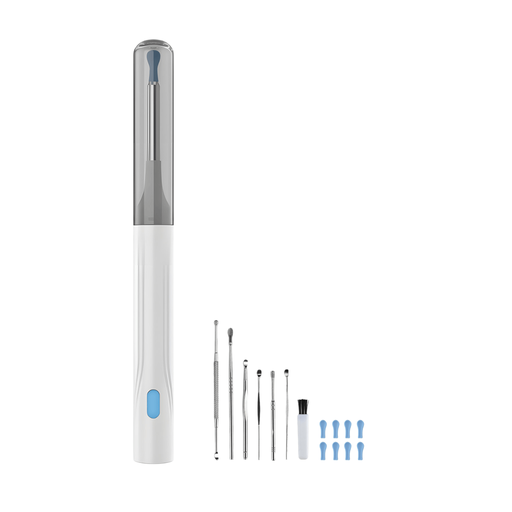
Why This Fits Their Persona: Ideal for users who want to try visual ear cleaning technology without a large investment. It offers all the essential features for safe at-home use.
With a clearly specified 8 MP camera and soft silicone tips, this model bypasses the pitfalls of blurry images and hard materials.
Offers a complete accessory set, including traditional ear cleaning tools, and is very lightweight and portable at 14.2g.
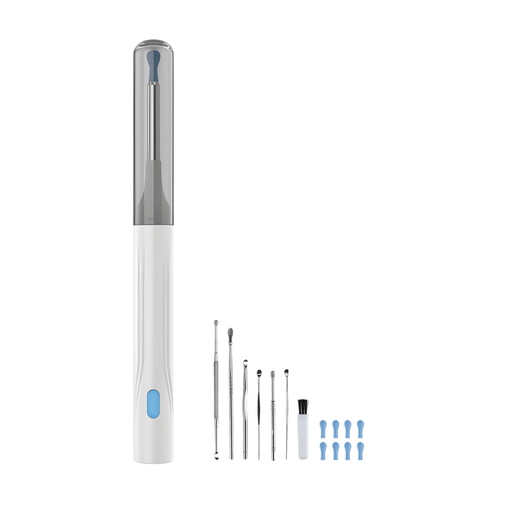
Why This Fits Their Persona: For users who prioritise maximum image clarity and are willing to invest in higher resolution. Suitable for an especially detailed inspection of the ear canal.
The 10 MP HD camera delivers a visibly sharper image than many standard models, solving the problem of vague 'HD' promises.
Higher camera resolution for more visual detail. The IPX5 waterproof lens head makes hygienic cleaning under running water easy.
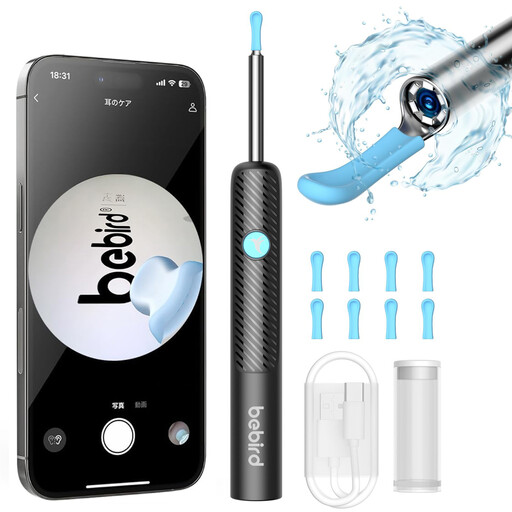
Why This Fits Their Persona: A great choice for parents or particularly cautious users, as the design is explicitly engineered to prevent over-insertion. This provides extra peace of mind during use.
Directly addresses the fear of injury with an integrated safety stopper that physically prevents it from going too deep into the ear canal.
The main feature is the built-in safety scale and protective stopper. The tips are made of medical-grade silicone and BPA-free plastic.
We've compiled a complete, up-to-date list of products that meet these strict selection criteria and local safety standards.
1. How do you hygienically clean an ear wax removal tool with a camera? Most models have detachable tips. These should be removed after each use and cleaned with water and mild soap or a disinfectant wipe. The camera lens itself can be gently wiped with a soft, slightly damp cloth. Pay attention to the device's waterproof rating (e.g., IPX5), which indicates whether the lens unit can be rinsed under running water. The main body of the device should never be fully submerged in water.
2. Is a visual ear cleaner safe for children? Extra caution is required when using on children, and adult supervision is mandatory. Choose a model with a very slim diameter and soft silicone tips. Devices with an integrated safety stopper, like the bebird T3, offer an additional layer of protection. Never force the device and stop immediately if the child expresses discomfort. If there are existing ear problems, pain, or infections, a doctor should be consulted before use.
3. Do I need a special app for an ear camera for my phone? Yes, operation typically requires a manufacturer-specific app that you can download from the App Store (iOS) or Google Play Store (Android). The connection between the ear cleaner and your smartphone is usually established via a local Wi-Fi network generated by the device. You can find instructions for installation and pairing in the user manual of the respective product.