Quiet learners
You listen to language lessons in a quiet study space and want to make out every word at a low volume without disturbing anyone else.


Choose earbuds that let you understand the course instructor at a low volume and feel comfortable throughout your study session. Check the fit and connection on the device you’ll be using. Sealing in-ear earbuds can passively block out surrounding noise, while ANC is mainly useful when background noise is genuinely distracting. Wired earbuds save you from charging and Bluetooth pairing. Open-fit earbuds don’t seal with an ear tip, so test them in your quiet study space to see whether other people can hear what you’re listening to.
You listen to language lessons in a quiet study space and want to make out every word at a low volume without disturbing anyone else.
You work through longer course sessions and need to weigh up comfort, ear tip size and uninterrupted battery life.
You use, for example, a laptop and a mobile phone, and want to check the connection or device-switching options before you buy, rather than relying solely on sound and ANC specifications.
A good fit if: your playback device has a compatible 3.5 mm socket and you want to listen without worrying about your earbuds’ battery.
The trade-off: The cable limits your freedom of movement, and you should still check the volume in your study space.
A good fit if: conversations or other noises are genuinely distracting and you can find a comfortable-fitting ear tip.
The trade-off: Fit and seal are personal; ANC can reduce battery life and isn’t automatically necessary in an already quiet library.
A good fit if: you don’t want to wear sealing ear tips and can clearly understand speech at a low volume.
The trade-off: Without a sealing ear tip, you won’t get the same passive noise isolation. Check whether other people can hear what you’re listening to.
Each percentage represents the most important consideration when choosing earbuds for audio courses in a quiet library study space.
| Consideration | What to check when buying | Who is this important to? |
|---|---|---|
| Speech clarity and consideration for others | Test speech at a low volume; check in your study space whether other people can hear it. | I want to understand every word without turning the volume up unnecessarily or disturbing anyone. Around 33% of consumers put speech clarity and consideration for others first. |
| Comfort | Test the fit for the planned course duration; with in-ear earbuds, try different ear tip sizes. | For longer lessons, I need a fit that stays comfortable over time. Around 27% of consumers put comfort first. |
| Uninterrupted playback | For wireless models, compare battery life in the ANC mode you’ll use with the length of your course. | If my course runs for a while, I want to finish it without stopping to recharge. Around 20% of consumers prioritise uninterrupted playback. |
| Connection and features | Check whether your specific device has a 3.5 mm socket or supports Bluetooth; consider which extra features you actually need. | I want to know in advance whether my playback device supports the plug or Bluetooth, and which features I’ll really use. Around 20% of consumers put connection and features first. |
ANC isn’t a requirement for listening to an audio course in a library that’s already quiet. First, check whether speech is clear at a low volume.
For wireless models, compare battery life in the ANC mode you’ll actually use with the length of your course. Sony Germany lists up to 8.5 hours of music playback with noise cancelling switched on for the WF-C710N, and up to 12 hours without ANC.
A feature you rarely need in your own study space may come with a shorter stated playback time on this model.
The Sony MDR-EX15AP has a 3.5 mm mini plug, but that doesn’t mean your laptop or mobile phone has a compatible socket.
Before buying, check the connection on the specific playback device. You may need an adapter if there isn’t a compatible socket.
Needing an extra adapter means one more step before you can start your course.
Open-fit earbuds don’t seal with silicone ear tips. Manufacturers’ battery life claims apply to the specific model and the stated operating mode.
Test the fit and playback at a low volume. For wireless models, compare battery life in ANC mode with the planned length of your study session.
The WF-C710N and wired MDR-EX15AP offer different connection and fit options.
The Galaxy Buds FE are a wireless option with ANC and interchangeable ear tips.
The AirPods 4 with Active Noise Cancellation offer an open fit as an alternative to sealing ear tips.
In the Live 4 range, JBL distinguishes between the Buds and Beam, which have ear tips, and the more open-fit Flex.
The Liberty 4 Pro is a range of wireless in-ear earbuds with noise cancelling promoted by soundcore.
The models listed include wireless in-ear earbuds and a wired Sony option. Check the fit, connection and speech clarity in your own study space.
 No image available
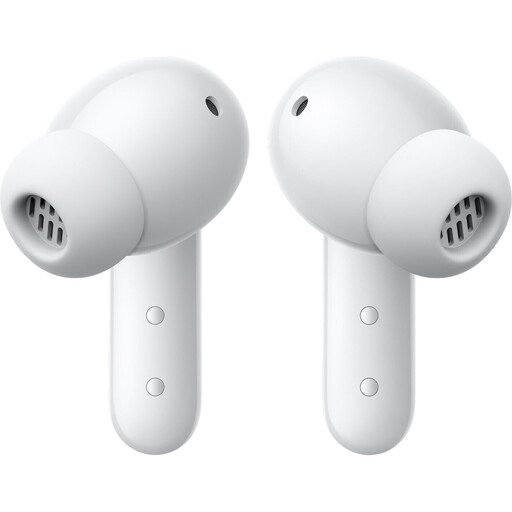
Worth considering as wireless in-ear earbuds if you want to use ANC and switch between connected devices.
The product name lists Bluetooth 5.4, noise cancelling and MultiPoint.
 No image available
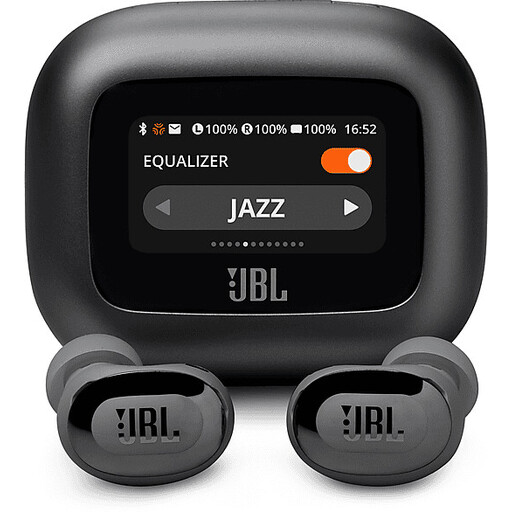
A wireless option to consider if you’re looking at true wireless earbuds with noise cancelling; test the fit for longer course sessions.
The product name lists wireless charging and a Smart Case.
 No image available
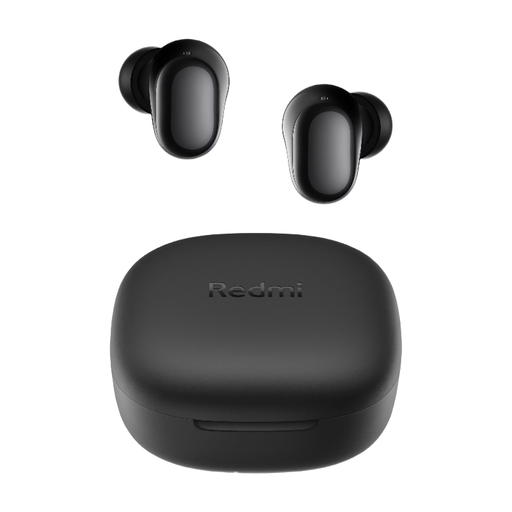
Worth considering as wireless earbuds for an audio course if you can find a comfortable in-ear fit.
The product name lists Bluetooth 5.4 and AI noise cancelling for calls; this isn’t a claim about noise cancelling when listening to a course.
 No image available
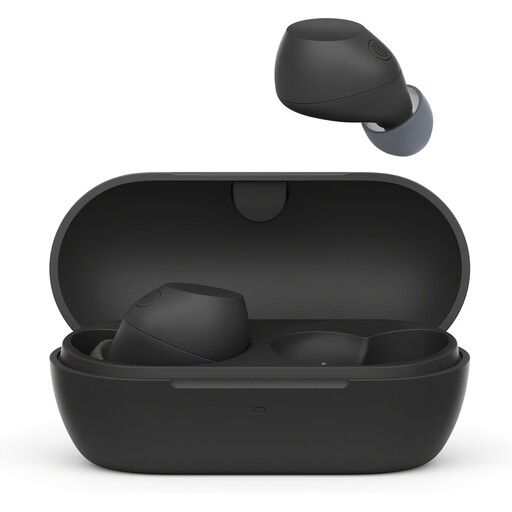
A wireless option if you’re looking for sealing in-ear earbuds with ANC and an ambient sound mode.
Sony Germany lists Multipoint and up to 8.5 hours of music playback with noise cancelling switched on. Actual battery life may vary depending on use.
 No image available
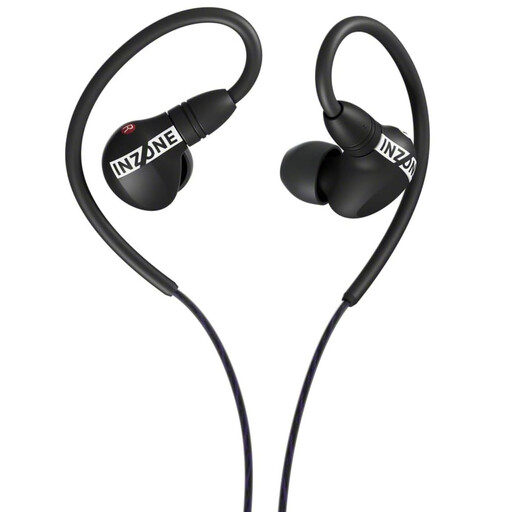
A wired option if you want to listen without worrying about your earbuds’ battery and your playback device has a compatible connection.
The product name lists smartphone controls and a microphone. This model requires a compatible 3.5 mm headphone socket.
No. There’s no evidence that ANC is essential in a study space that’s already quiet. It can help with distracting external noise; clear speech at a low volume and a comfortable fit matter more.
Pair them with the playback device you plan to use before your session, check the fit and compare the stated battery life in the ANC mode you’ll actually use with the length of your course. Sony also explains how to set up Multipoint for the WF-C710N using its app.
The World Health Organization (WHO) recommends, as a general guide, setting your device volume to no more than 60% of the maximum and taking regular listening breaks. This is health advice, not a sound pressure level that’s the same for every device or a library rule.
There isn’t one uniform library rule that applies across Germany. The house rules of Pankow City Library explicitly apply to its directly managed branches; check the rules at the library you’re visiting and follow staff instructions.
For certain electrical and Bluetooth products, the Federal Network Agency checks, among other things, CE marking, product identification and conformity documents. For distance sales contracts where statutory cancellation rights apply, § 355 BGB generally provides a 14-day cancellation period. For ordinary purchased goods, claims for material defects generally become time-barred two years after delivery under § 438 BGB. Check the terms of your specific contract and distinguish statutory rights relating to faulty goods from a voluntary manufacturer’s guarantee.