For listeners with quiet voice recordings
If you listen to your own audio notes or ones provided to you, speech should remain clear at a moderate volume. Recordings you know well make a useful listening test.


Start by choosing earbuds that let you hear your own audio notes clearly at a moderate volume and feel comfortable over longer sessions. A secure fit and, if background noise is genuinely distracting, ANC can help. If you need to stay available to others while studying, make sure there’s an easy-to-reach ambient mode or pause button. Wired earbuds don’t need their own battery, but they do require a compatible connection.
If you listen to your own audio notes or ones provided to you, speech should remain clear at a moderate volume. Recordings you know well make a useful listening test.
During longer study sessions, comfort is key. With wireless models, you’ll also want enough playback time per charge in the listening mode you actually use.
If you sometimes need to respond when someone speaks to you or when there’s an announcement, look for an easily accessible pause function or ambient mode, if the model offers one.
A good choice if: conversations or steady background noise genuinely drown out your recordings, and the ear tips remain comfortable during longer sessions.
The trade-off: A sealed fit and ANC can make it harder to hear what’s going on around you. For wireless models, consider the battery life per charge with ANC switched on.
A good choice if: people often speak to you while you’re studying, and your notes remain clear without strong noise isolation.
The trade-off: A more open fit blocks less noise, and an ambient mode doesn’t guarantee you’ll understand every announcement.
A good choice if: your playback device has a compatible connection and you want to study without pairing or charging your earbuds.
The trade-off: The cable can get in the way at your desk. A USB-C port alone doesn’t guarantee that a particular model will work with your device.
When choosing earbuds for listening to audio notes in a quiet library, weigh up speech clarity, fit, how easy it is to stay available to others, and how the earbuds connect to your playback device.
| What matters | What to check before buying | Who is this important to? |
|---|---|---|
| Speech clarity | Listen to one of your own audio notes at a moderate volume. Judge the fit and speech clarity before you consider sound claims. | If I want to understand every word without turning the volume up unnecessarily. Around 36% of consumers would put speech clarity first. |
| Comfortable fit | Try the supplied ear tip sizes and check how they feel during a realistic study session. | For long study sessions, I want a fit that stays comfortable. Around 29% of consumers would prioritise long-term comfort. |
| Staying available | Try the pause function and, if available, ambient mode. Follow the rules of the library you’re in. | If I need to hear announcements or someone speaking to me, I want to be able to pause playback quickly. Around 21% of consumers would prioritise staying available. |
| Connection and battery life | Check your device’s connection or Bluetooth capability. For wireless models, compare the playback time per charge in the mode you’ll use. | For a longer session, I need a compatible connection and enough battery life in my chosen listening mode. Around 14% of consumers would consider connection and battery life first. |
The earbuds’ playback time can differ from the total time, including the charging case, depending on the ANC and audio modes you use. Under its own test conditions, soundcore lists different battery life figures for the Liberty 4 NC depending on the operating mode.
Compare battery life per charge in a similar listening mode, and choose a model that suits the length of your actual study sessions.
If the battery runs out before your session ends, you may need to stop and recharge.
A quiet library doesn’t automatically call for maximum noise cancellation. Uncomfortable or poorly fitting earbuds won’t make unclear recordings easier to understand.
Listen to a familiar audio note at a moderate volume, try the available ear tips, and then decide whether ANC would be useful where you study.
Apple lists specific device and system requirements for its EarPods (USB-C). A USB-C port alone doesn’t tell you whether a particular pair of earbuds will work with your playback device.
Before choosing how to connect, compare the compatibility information for the specific model with your device.
Your statutory rights for faulty goods are with the seller and are separate from any voluntary manufacturer’s guarantee. Your Europe states that goods bought in the EU are covered by a minimum two-year legal guarantee.
Check the seller and guarantee terms separately, and keep your proof of purchase.
The WF-LS910N, also known as the LinkBuds Fit, is an example of wireless in-ear earbuds with ANC, ambient mode and multipoint connectivity.
The Liberty 4 NC shows why the selected operating mode matters when considering battery life for wireless earbuds.
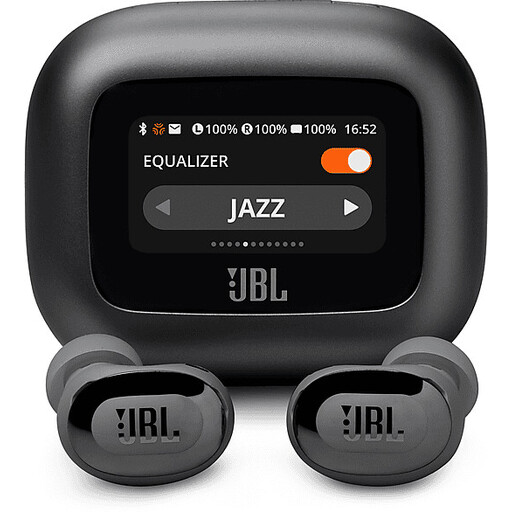
According to JBL, the Tune Flex lets you choose between a more open and a sealed fit.
The EarPods (USB-C) are a wired option for devices Apple lists as compatible.
This selection includes wired and wireless earbuds for audio notes. With models that have ANC, you can also consider whether you need noise cancellation where you study.
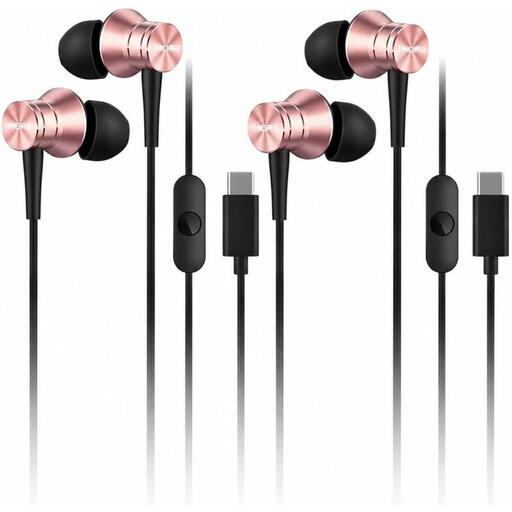 No image available
A wired option if you want to use earbuds without their own battery.
USB-C; Type-C version; pink.
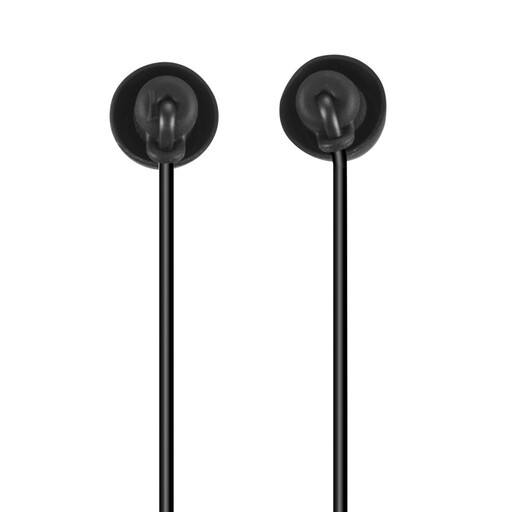 No image available
A wired option if you want to control playback without pairing or charging your earbuds.
USB-C; according to the product information, a device with USB-C audio output is required.
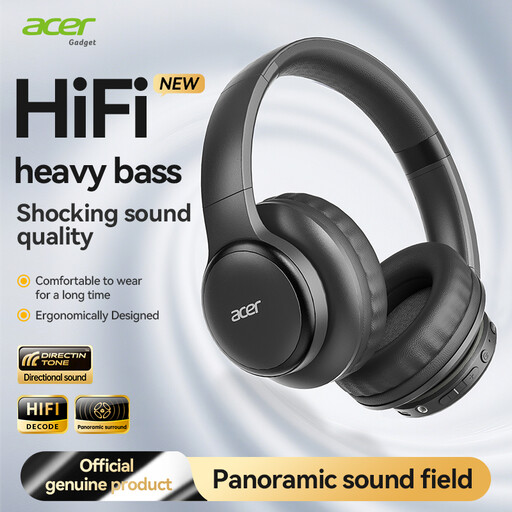 No image available
A wireless in-ear option if you don’t want a cable on your desk while you study.
Bluetooth 5.3 according to the product name.
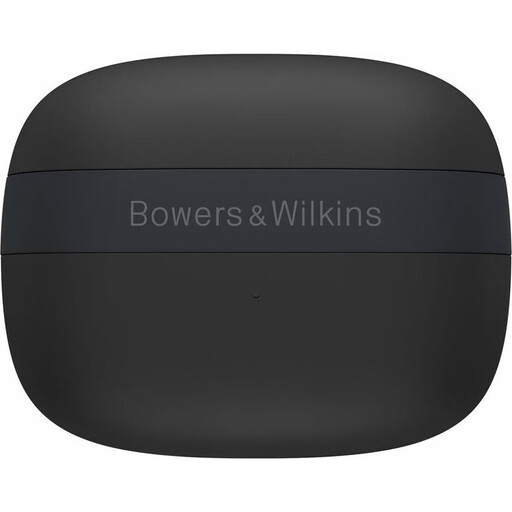 No image available
A wireless in-ear option with ANC if background noise is genuinely making it harder to understand your recordings.
Active Noise Cancelling according to the product name.
 No image available
A wireless in-ear option with noise cancellation if you need this feature where you study.
Noise Cancelling according to the product name.
No. First, check whether you can understand your own audio notes at a moderate volume with well-fitting earbuds. If background noise is genuinely distracting, a well-fitting model with ANC could be an option. ANC is no substitute for a comfortable fit or testing the earbuds with voice recordings.
Pair wireless earbuds with the playback device you plan to use beforehand, and compare the stated playback time per charge in the mode you’ll be using. For wired models, check the connection and the stated device compatibility. Apple’s EarPods (USB-C) have specific system requirements.
Check the audio output before playing anything, listen at a moderate volume and take listening breaks during long sessions. The World Health Organization notes that volume and listening duration both affect the risk to your hearing. Its guideline of 80 dB for up to 40 hours a week is a guide to sound exposure, not a volume measurement for a particular pair of earbuds.
For eligible distance purchases from a trader, you generally have a 14-day right to cancel, starting from delivery of the goods. Statutory exceptions and the rules on return costs apply. If goods are faulty, you have statutory rights against the seller for at least two years. These are separate from any voluntary manufacturer’s guarantee.
Check the labelling and product information for the specific listing. In its market surveillance checks, the Federal Network Agency looks at matters including CE marking, product identification, manufacturer details, required German-language information and the declaration of conformity. A brand or model name alone doesn’t prove that an individual listing complies.