Studying on noisy trains
For people who mainly listen to voice recordings and want a comfortable fit and a practical way to stay aware of their surroundings when there’s train noise.


If clear audio notes are your priority despite train noise, well-fitting in-ear earbuds with ANC and an easily accessible ambient mode are a good option. The WHO recommends noise-cancelling headphones to reduce the temptation to turn the volume up in noisy environments. If you want to hear announcements more clearly or prefer not to wear ear tips in your ear canals, consider an open-fit design, but expect to hear more train noise. Battery life should suit the listening mode you actually need.
For people who mainly listen to voice recordings and want a comfortable fit and a practical way to stay aware of their surroundings when there’s train noise.
For people who often pause playback to check travel information and want to adjust the listening mode and volume quickly.
For people who switch between a smartphone, tablet or laptop and need to check the features available on the specific model.
| What matters | What to look for | Who it matters most to |
|---|---|---|
| Understanding voice notes over train noise | Check the fit, ANC and clarity using a quiet voice recording of your own. | If I want to understand voice recordings on a noisy train, I need a comfortable fit and effective noise reduction. Around 36% of consumers put clear speech above all else when there’s background noise. |
| Hearing announcements and making connections | Check how easily you can access ambient mode and pause playback; also check travel information separately. | If I need to hear announcements when changing trains, I want to pause playback quickly and check travel information. For around 29% of consumers, staying informed during the journey is a priority. |
| Comfortable listening throughout the journey | Check the ear tip sizes and fit; compare battery life in the listening mode you need, rather than looking only at the total time with the charging case. | During longer study sessions, I don’t want ear tips that press uncomfortably or have to stop to recharge mid-journey. Around 21% of consumers prioritise comfort and battery life. |
| Matching your playback device and study routine | Check operating system features and Multipoint on the specific model, or check that the plug on a wired model matches your device. | If my notes are on multiple devices, I need to be able to switch between them easily; with wired models, the connection matters. Around 14% of consumers mainly consider device switching or connectivity. |
The earbuds need to go back in the case to recharge. Manufacturers may also give different figures for playback with and without ANC.
Compare the stated continuous playback time of the earbuds in ANC mode with the actual length of your journey.
Travel changes and connections may need your attention while a recording is playing.
Try pausing playback and using ambient mode, and check travel information separately.
The design affects passive noise isolation. An open-fit model may let more train noise through.
Choose based on fit and how clearly you can hear your voice recordings, not just the feature name.
A voluntary manufacturer’s warranty is separate from your statutory rights against the seller.
Check who the seller is and what any additional cover actually includes.
The JBL Tour Pro 3 is worth considering if you want to connect an audio source directly without using Bluetooth.
The AirPods Pro 3 are a closed-fit ANC option, while the AirPods 5 with Wireless Charging Case offer an open-fit alternative.
The EAH-AZ100 are an option for people who switch between a smartphone, tablet and laptop.
Sony says the WF-1000XM6 combine noise cancelling, ambient mode, Quick Attention and Multipoint.
Samsung offers the closed-fit Galaxy Buds4 Pro alongside the more open-fitting Galaxy Buds4.
This selection includes wired in-ear earbuds for compatible 3.5-mm sockets, as well as wireless models, including options with ANC.
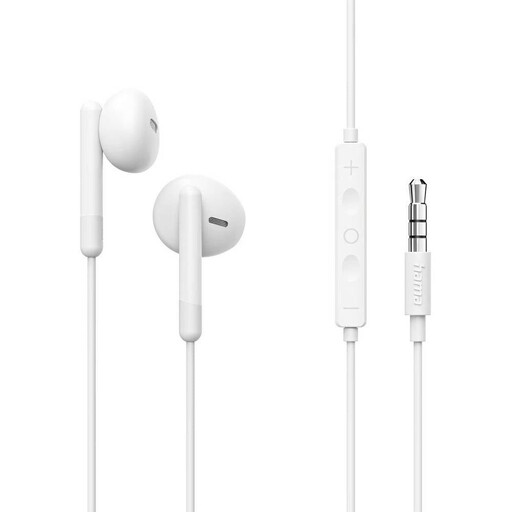 No image available
For devices with a compatible 3.5-mm headphone socket; the in-line remote can control playback and volume.
3.5-mm jack; built-in microphone; in-line remote. The connection must match your playback device.
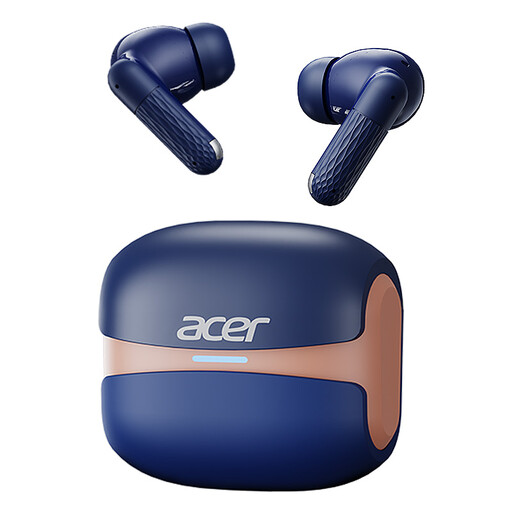 No image available
An option for people who want wireless playback and touch controls while travelling.
Bluetooth 5.4; touch controls; charging case with Type-C connection.
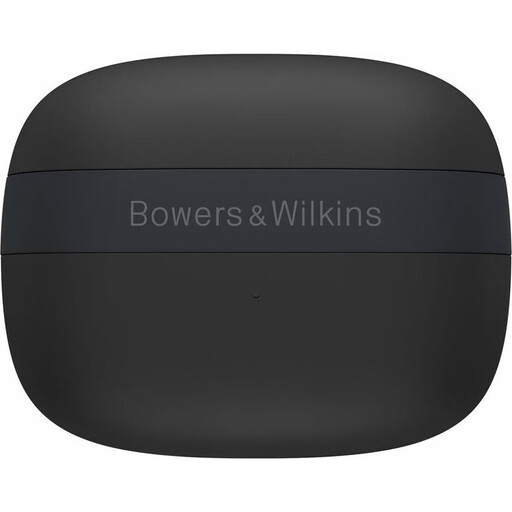 No image available
An option for people looking for wireless in-ear headphones with ANC and the ability to switch between devices.
ANC; Bluetooth 5.4; Multipoint; up to 8 hours of battery life according to the product name.
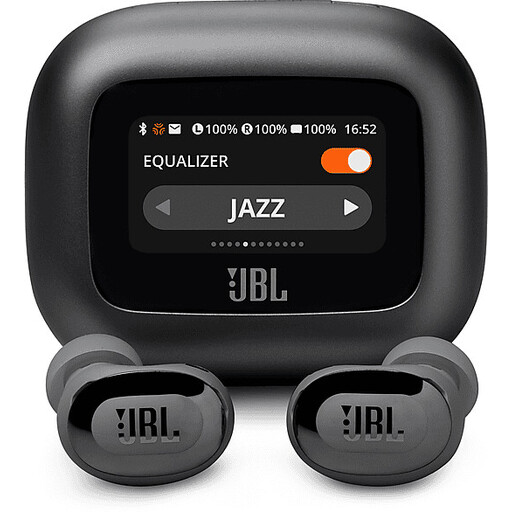 No image available
An option for people considering true wireless earbuds with a Smart Case and noise cancelling.
True wireless; NC; Smart Case; wireless charging; colour: black.
 No image available
For people looking for an ANC option for noisy train journeys and who want to check the fit before longer study sessions.
True wireless; Active Noise Cancelling; colour: black.
No. Adjust ANC and ambient mode to suit the situation, pause playback before important announcements and check travel information separately.
The WHO recommends well-fitting, noise-cancelling headphones to reduce the temptation to turn up the volume in noisy environments, as well as taking breaks and monitoring your sound exposure. Its example of 80 dB for no more than 40 hours a week illustrates how sound level and duration work together; it isn’t a universally safe setting for every model.
Connect the earbuds to the playback device you’ll actually use, then test pause, volume, listening mode and, where available, Multipoint with a recording of your own. Check which features are available with your operating system, too: Apple notes that features may be limited when used with devices from other manufacturers.
For a covered distance purchase from a business, you generally have a 14-day right to cancel from the date of delivery, although exceptions may apply. Return costs depend on the terms provided before you place your order. Your statutory rights for faulty goods are separate, and in the EU they last for at least two years from receipt, as explained by Your Europe.
When monitoring the market for Bluetooth products, the Bundesnetzagentur lists CE marking, manufacturer details, instructions in German and a declaration of conformity among the points to check. Check the details for the specific listing; these checks do not confirm that an individual product complies.