Learners who replay content often
You listen to short passages repeatedly and need easy-to-reach playback controls and clear voices. Try the controls with your course app.


First, choose earbuds that connect to your playback device and feel comfortable where you usually listen. Wired in-ear headphones don’t need their own battery, while wireless models give you more freedom to move and, depending on the model, may offer ANC or an ambient mode. Your downloaded lesson stays on your playback device. Test the controls with an actual recording, including pause and replay. In noisy places, a good fit and suitable noise isolation matter; in traffic, stay aware of your surroundings.
You listen to short passages repeatedly and need easy-to-reach playback controls and clear voices. Try the controls with your course app.
You listen on the go and want to understand speech without constantly turning up the volume to overcome background noise. A good fit and effective noise isolation are important.
You want to hear announcements or people nearby while listening to a lesson, so you’re weighing up an open-ear design or ambient mode against stronger noise isolation.
A good choice if: your playback device supports the connector and you want to listen for long periods or replay content without relying on an earbud battery.
The trade-off: The cable restricts your movement, and a mini-jack won’t connect directly to every device.
A good choice if: you want to move around while studying and usually listen in quiet places. Sony lists an ambient mode for the WF-C510.
The trade-off: Ambient mode isn’t the same as ANC, and wireless earbuds need to be charged.
A good choice if: steady background noise makes it difficult to understand speech and the earbuds fit well. JBL lists ANC, Ambient Aware and TalkThru for the Tune Buds 2.
The trade-off: ANC can make it harder to hear what’s going on around you. Check whether switching to ambient listening suits the place where you’ll be using them.
A good choice if: you want to stay aware of surrounding sounds and prefer not to wear anything in your ear canal.
The trade-off: An open-ear design won’t block noise like a snug in-ear fit. Try listening to quiet speech passages where you’ll usually use them.
| What matters | What to check before buying | Who is it important to? |
|---|---|---|
| Understanding and replaying speech | Play a quiet or fast passage on the device you plan to use. Check the volume, pause and restart controls in your course app. | When I replay short bilingual passages often, I need clear voices and easy-to-reach playback controls. Around 33% of consumers put understanding speech and easy replay at the top of their list. |
| Background noise while listening | Try the fit and noise isolation with an actual lesson in the place where you usually listen; don’t confuse ambient mode with ANC. The WHO recommends well-fitting or noise-cancelling headphones to reduce the need to turn up the volume in noisy places. | When I want to understand quiet speech while out and about without turning the volume up to overcome background noise, I look for a good fit and suitable noise isolation. Around 27% of consumers prioritise understanding speech despite background noise. |
| Staying aware of your surroundings and wearing comfort | Wear the earbuds for a typical lesson and check whether you can still hear important sounds at a moderate volume. | When I want to hear announcements or conversations nearby while studying, I care about balancing open listening with comfort. Around 20% of consumers prioritise awareness of their surroundings and a comfortable fit. |
| Playback device, connection and battery life | Check the connector or Bluetooth pairing, and battery life in the listening mode you plan to use. Make sure your course files are available offline on your playback device. | When I mainly need to know whether the earbuds will work with my device and planned listening time, I check the connection and charging requirements in advance. Around 20% of consumers make connectivity and battery life their main concern. |
Your playback device plays the course file. With Bluetooth models such as the Sony WF-C510, audio comes from a connected device; offline access depends on your device and course app.
Before travelling, check that the file is available offline on your playback device, then test the connection to your earbuds.
You’ll still need a compatible, charged playback device when you’re out and about.
Ambient mode deliberately lets you hear sounds around you; it isn’t the same as ANC. Sony says the WF-C510 has an ambient mode. JBL lists ANC, Ambient Aware and TalkThru for the Tune Buds 2.
If noise makes it difficult to understand speech, check the fit and look for an explicitly stated ANC feature. If you want to hear announcements, make sure you can switch to ambient listening as needed.
Sony gives different maximum playback times for the WF-C510 with ambient mode switched on and off: up to 8 or 11 hours respectively. These are the manufacturer’s maximum figures for the earbuds, not a guarantee for every use.
Compare the figure for the mode you’ll actually use, and plan how you’ll charge them during longer lessons.
A long listening session may be interrupted if you need to recharge.
The Sony MDR-EX15AP has a mini-jack connector; Soundcore AeroFit and AeroFit 2 are different models.
Check that the connector matches your playback device, and make sure you’ve selected the right version and full model name.
For language lessons, Sony’s wired MDR-EX15AP and wireless WF-C510 offer two different ways to connect.
The Tune Buds 2 are wireless in-ear headphones for switching between noise cancellation and hearing what’s happening around you.
The Galaxy Buds3 FE are worth considering if ANC and features for a compatible Galaxy device matter to you.
Soundcore AeroFit is designed for open-ear listening when staying aware of your surroundings matters more than stronger noise isolation.
This selection includes wired earbuds for compatible USB-C devices and wireless in-ear headphones for different listening environments.
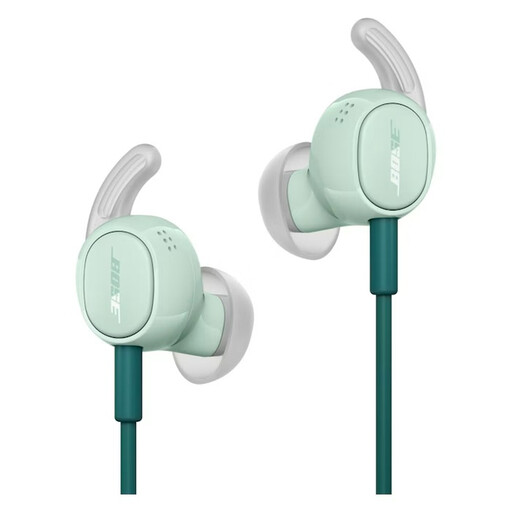 No image available
For studying on a compatible USB-C device if you prefer a wired connection without needing to charge the earbuds.
Wired; check that your playback device supports USB-C.
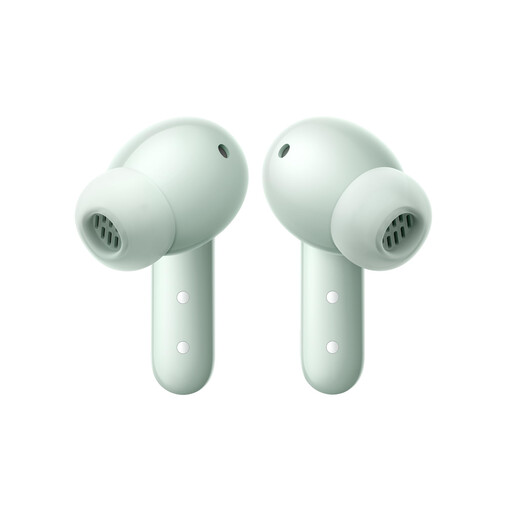 No image available
A wireless ANC in-ear option if you want to move around while studying; remember to allow for Bluetooth connectivity and charging.
The product name lists Bluetooth 5.4 and up to 7,5 hours of battery life.
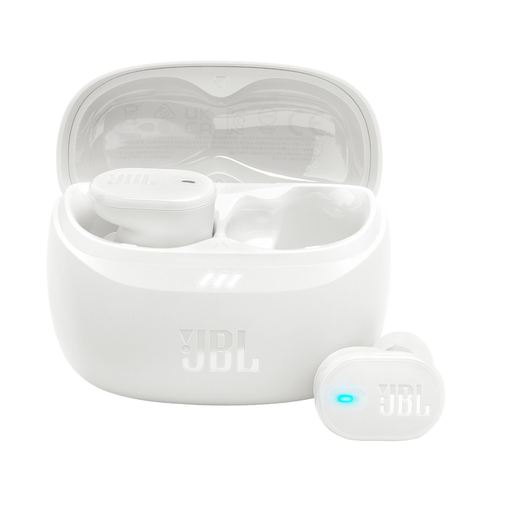 No image available
For listening in different places if you want to switch between noise cancellation and hearing what’s going on around you.
JBL lists ANC, Ambient Aware and TalkThru for the Tune Buds 2. Try the controls to see if they suit the way you study.
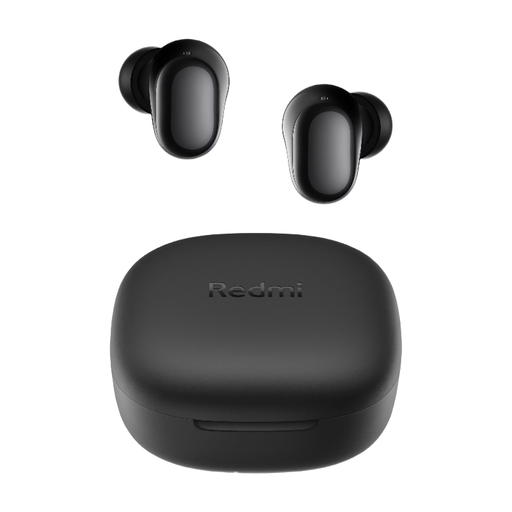 No image available
For wireless replay in places where the stated passive noise isolation is enough for your lessons; remember to allow for Bluetooth connectivity and charging.
The product name lists Bluetooth 5.4. The noise-cancellation claim refers to calls, so check separately what level of noise isolation you need while studying.
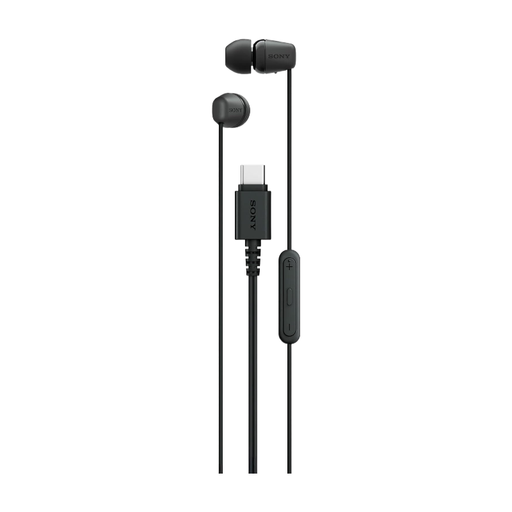 No image available
For replaying lessons without charging the earbuds, provided your playback device supports USB-C audio.
Wired USB-C earbuds; check compatibility with your specific device first.
No. With the Bluetooth models covered here, plan to play the course from the paired playback device. Sony describes the WF-C510 as Bluetooth earbuds and says they play audio from a connected device. Check whether your specific course app supports offline access, and download the files to your playback device in advance.
Test the pairing, fit and charge beforehand. If your WF-C510 won’t charge, Sony recommends checking that they’re seated correctly in the case and checking the earbuds, case and charging contacts for dirt. Sony advises against using compressed air for this.
No. The World Health Organization identifies volume and listening time as combined risk factors. It recommends well-fitting or noise-cancelling headphones to reduce the need to turn up the volume in noisy places. Its examples of 80 dB for up to 40 hours a week and 90 dB for four hours a week are safe-listening guidance, not guaranteed device settings.
In Germany, the seller is generally responsible for the statutory warranty if a product is faulty; the Verbraucherzentrale says this lasts for two years from delivery. Online purchases usually come with a 14-day right to cancel, but check the requirements and any exceptions for your specific purchase. A voluntary manufacturer’s guarantee is different from the statutory warranty.
The Bundesnetzagentur also monitors products with Bluetooth, checking matters such as labelling, manufacturer information, German-language instructions and declarations of conformity. The CE mark is the manufacturer’s declaration that a product complies with the applicable regulations; it isn’t an independent quality or hearing test. Check the details for the specific product listing.