Listening to dialect recordings in a busy environment
You’re listening to a recording while people nearby are talking, and want to reduce outside noise without turning the volume up unnecessarily.


If conversations in the room are distracting, well-fitting in-ear earbuds with ANC are worth trying. Sony describes its noise cancellation as being designed for external sounds, while the World Health Organization recommends well-fitting, noise-reducing headphones to help you avoid turning up the volume in noisy surroundings. Try the fit and listening modes with your own dialect recording, rather than assuming they will block out everything. If several voices are already in the same file, ANC does not separate them; replaying sections and using the controls on your playback device matter more.
You’re listening to a recording while people nearby are talking, and want to reduce outside noise without turning the volume up unnecessarily.
Several people are already speaking in your dialect recording. You’ll find it more helpful to replay short sections than to expect ANC to separate the voices.
You spend a lot of time listening to recordings, so you pay particular attention to a comfortable fit, sensible volume levels and controls that work with your playback device.
First, work out whether the distracting conversations are in the room or already in the recording. ANC is designed to reduce external noise, but there’s no evidence that it separates voices recorded together in the same file.
| What you need | What to look for when buying | Who it matters most to |
|---|---|---|
| Reducing conversations in the room | Check the fit of the ear tips, how securely the earbuds sit, and how easy it is to switch between ANC and ambient mode using your own recording. | If conversations in the same room distract me from my recording, I want to reduce outside noise without turning up the volume. Around 36% of consumers have this as their main concern. |
| Following voices in a recording | Try your own file to see whether replaying sections or using features on your playback device helps with difficult passages. | If voices are already mixed together in the file, I want to replay difficult words rather than expect ANC to separate them. Around 29% of consumers have this as their main concern. |
| Easy playback controls | Check whether pause, replay and the listening modes you need work with your smartphone or computer. | When I replay sections of a dialect recording, I need pause and playback controls that work with my device. Around 21% of consumers prioritise these controls. |
| Comfortable listening at a sensible volume | Try the ear tips and fit, and consider battery life in the listening mode you need. | During long listening sessions, I look for a comfortable fit and a volume that I don’t need to keep turning up. Around 14% of consumers prioritise comfort and sensible listening levels. |
Voice processing during calls deals with a different sound source from several voices already recorded together in an audio file.
Test your own recording. If your main aim is to distinguish conversations in a recording, don’t buy based solely on claims about call quality.
If the fit isn’t right or conversations nearby are distracting, turning up the volume can increase your exposure to sound without making the recording any clearer.
Check the fit and your listening environment first, and use ANC if needed. The World Health Organization recommends well-fitting, noise-reducing headphones to help you avoid turning up the volume in noisy surroundings.
Available features can depend on the connected device. Apple notes that AirPods work as Bluetooth headphones with non-Apple devices, but with limited functionality.
Before buying, check on your own smartphone or computer that pause, replay and the listening modes you want are available.
The WF-1000XM6 may be worth considering if you’re looking for True Wireless earbuds with ANC and a snug fit.
The AirPods Pro 3 are an option if you want to use their controls and listening modes with a compatible Apple device.
The EAH-AZ100 are another True Wireless option with adaptive ANC.
The Galaxy Buds4 Pro are an ANC option. It’s worth checking that their extra features work with your Galaxy device.
The Tour Pro 3 may suit you if, alongside ANC, you want controls on the charging case or to use it as an audio transmitter.
The QuietComfort Ultra Earbuds (2nd Gen.) are a wireless ANC option.
This selection includes Bluetooth and True Wireless earbuds with ANC for listening to recordings while people are talking in the room, or replaying sections. ANC doesn’t promise to separate voices already overlapping in a file.
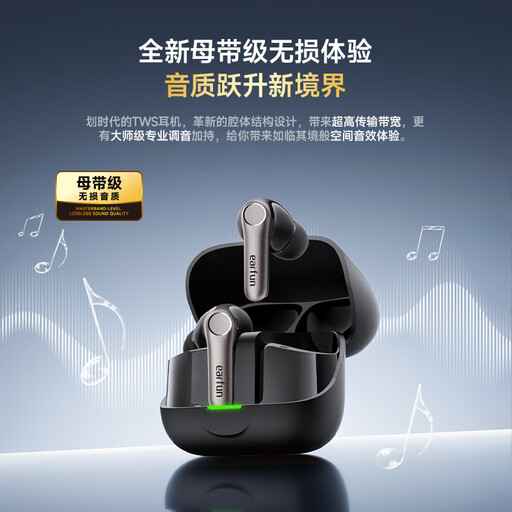 No image available
If you want to replay difficult sections, the listed playback controls and choice of ear tip sizes are worth checking. Try the fit with your own recording.
Features listed in the product name: Hi-Res, Dual Driver, 50dB Noise Cancelling, Bluetooth 6.0, aptX Lossless, LDAC and 54H Playtime.
 No image available
If you want to switch between blocking out noise and hearing what’s around you, check the described touch controls and make sure the features you need work with your playback device.
The product name specifies True Wireless and Active Noise Cancelling.
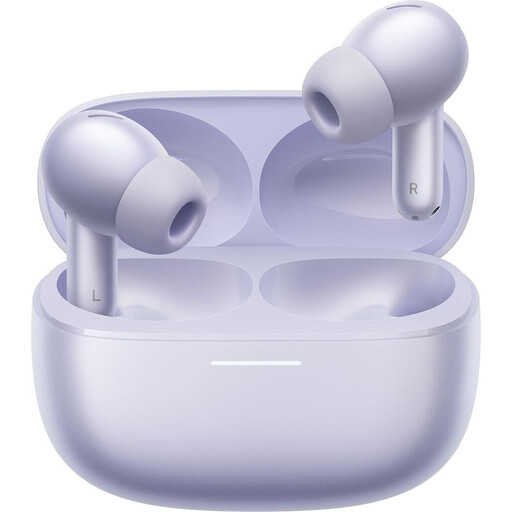 No image available
For recordings you want to listen to in sections, the listing mentions touch playback controls. Check how they work with your device and your own file.
Features listed in the product name: 55dB ANC, 20 ANC levels, 3 Transparency modes and Bluetooth 5.3.
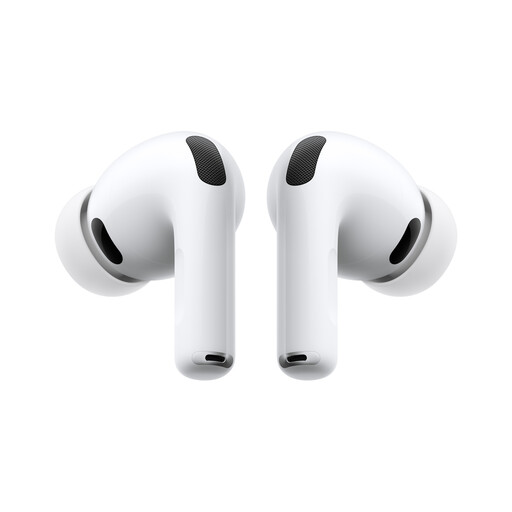 No image available
If you often pause and replay sections, check the touch controls and try the fit with the available ear tip sizes.
The product name specifies wireless in-ear headphones with Active Noise Cancellation and USB-C charging. According to Apple, features are limited when used with non-Apple devices.
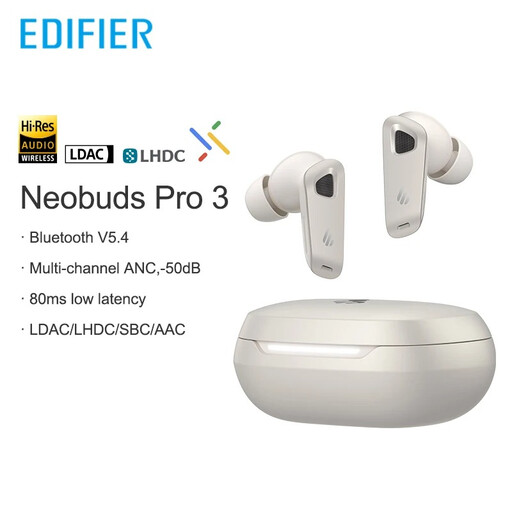 No image available
If you want to switch between ANC and ambient mode while replaying a recording, check the described touch controls and how the ear tips fit.
Features listed in the product name: Hi-Res, 50dB ANC, 36 Hours Playback, LDAC/LHDC, Multi-Point and IP54.
ANC is designed to reduce sounds in your listening environment, so it may be worth trying. Check how much of the conversation you can still hear with a good fit and your own recording; complete silence isn’t guaranteed.
Noise cancellation designed for your listening environment doesn’t show that it can separate voices already recorded together. Claims about clearer phone calls don’t prove that voices recorded at the same time can be separated either. Instead, check the replay or editing options available on your recording and playback device.
Choose ear tips that fit well, compare ANC with ambient mode and keep the volume at a sensible level. The World Health Organization recommends well-fitting, noise-reducing headphones to help you avoid turning up the volume in noisy surroundings.
For a standard online purchase from a trader, the EU’s Your Europe consumer portal explains that you generally have a 14-day right to cancel and a legal minimum two-year guarantee for goods. Check separately for exceptions and the specific terms of your contract; a voluntary manufacturer’s warranty doesn’t replace your statutory rights.