Learners focusing on quiet speech details
If you listen to quiet words repeatedly, check the fit and clarity using your own recordings at a moderate volume. The World Health Organization points out that both volume and listening duration matter.


For quiet German listening practice, first check the fit and speech clarity using your own recordings at a moderate volume; an ANC rating alone doesn’t prove that playback will be clearer. In steady background noise, snug-fitting in-ear earbuds with switchable ANC may be worth considering, while ambient mode or a more open fit may be more suitable if you need to stay aware of your surroundings. Also check your playback device’s connection and, for wireless models, the battery life in the mode you’ll actually use.
If you listen to quiet words repeatedly, check the fit and clarity using your own recordings at a moderate volume. The World Health Organization points out that both volume and listening duration matter.
With ventilation noise, traffic or conversations around you, consider whether blocking out noise or staying aware of your surroundings matters more. Sony explains that ANC works best on lower- or mid-frequency background noise; voices may still be audible.
For repeated listening practice, a comfortable fit and a connection that works with your playback device are important. With wireless models, the battery life should suit the settings you use and your study routine.
First, decide whether you need to block out distracting noise at your study spot or stay aware of your surroundings. You can then check the fit, device connection and battery life against your listening practice needs.
| What matters | What to check before buying | Who it matters most to |
|---|---|---|
| Quiet words and speech details | Compare using the same recording at a moderate volume; check the fit and playback settings. | If I want to pick out quiet words when listening repeatedly, clarity at a moderate volume matters to me. Around 26% of consumers put speech details first. |
| Distractions while studying | Compare the ear tip fit, ANC and ambient mode in the conditions where you study. | In a room with ventilation noise or conversations, I want to limit their impact. Around 21% of consumers prioritise blocking out noise at their study spot. |
| Fit during repeated practice | Check the available ear tip sizes and design; read the returns policy before opening the packaging. | If I wear earbuds for longer periods repeatedly, a comfortable fit matters more to me than extra features. Around 21% of consumers make fit their main priority. |
| Connection to your playback device | Check your device’s connection and, if necessary, whether you need a suitable adapter; with Bluetooth, consider switching between devices. | If you play exercises on a particular smartphone or computer, you’ll want to make sure the connection type is right. Around 16% of consumers base their choice first on device compatibility. |
| Longer sessions | Start at a low volume and plan breaks; only compare battery life figures for the same operating mode. | For long practice sessions, I want to balance suitable battery life with comfortable listening habits. Around 16% of consumers prioritise long sessions at a low volume. |
Noise cancellation works differently depending on the type of noise and doesn’t prove that a particular practice recording will be clearer.
Compare quiet sections using well-fitting earbuds at a moderate volume.
The soundcore FAQ gives different laboratory battery life figures for the Liberty 4 NC in Normal, ANC and LDAC modes; actual battery life may vary.
Compare earbud and case battery life separately, and check which mode each figure refers to.
If the actual battery life is shorter than expected, you may need to charge the earbuds more often between sessions.
The Sennheiser IE 200 has a 3.5 mm plug and needs a compatible socket or a suitable adapter.
Check your playback device’s connection before buying.
If your device doesn’t have a compatible socket, you may also need a suitable adapter.
The statutory legal guarantee covers faults. Specific exceptions may apply to the right to cancel a distance purchase if the legal conditions are met.
Before opening the packaging, check whether the specific item is sealed and what returns conditions apply. Don’t assume that earbuds are always excluded from the right to cancel.
The examples below refer to the specific model ranges named. They are not a general assessment of the brands and don’t prove that quiet German listening practice will sound clearer.
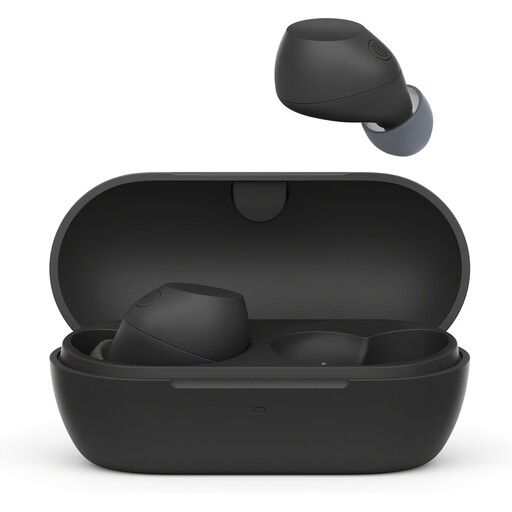
The WF-C710N is an example of snug-fitting wireless in-ear earbuds with ANC and a switchable Ambient Sound mode.
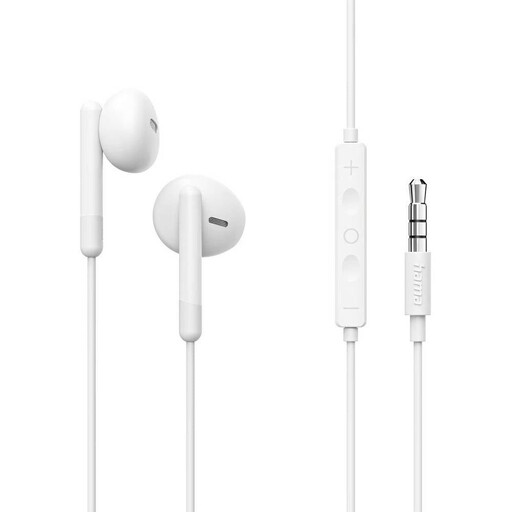
The IE 200 is a wired in-ear example for devices with a compatible 3.5 mm connection.
The Live 4 variants show that different fits can matter, even within the same model range.
The Liberty 4 NC shows why the audio setting you choose matters when comparing wireless earbuds.
The model comparison for AirPods 4 lists the version with Active Noise Cancellation separately.
This selection includes wired in-ear earbuds with a 3.5 mm connection and wireless in-ear earbuds with ANC; some models also offer an ambient mode or adjustable equaliser.
 No image available
For wired study sessions if your playback device has a compatible 3.5 mm audio connection.
With a 1.2 m cable, in-line volume control and ear tips in various sizes.
 No image available
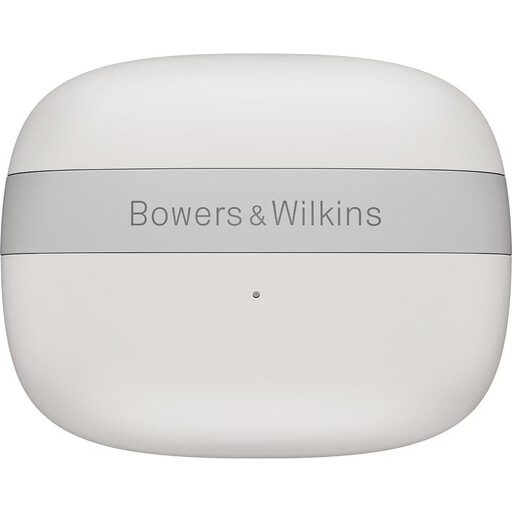
For wireless study sessions if ANC and a closed fit suit your study environment.
Features listed include Bluetooth multipoint, up to 8 hours of battery life and four interchangeable ear tip sizes.
 No image available
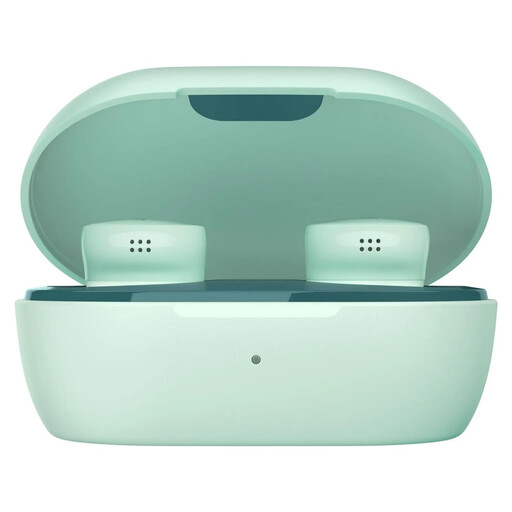
For study environments with changing background noise, if you want to adjust ANC and the equaliser.
Features listed include Bluetooth 5.3 with multipoint, up to 8.5 hours of battery life, and ear tips and stability bands in S, M and L.
 No image available
For wireless study sessions if you want to switch between ANC and ambient mode.
The description lists an adjustable 9-band equaliser, as well as USB-C and Qi charging.
 No image available
For wireless study sessions if ANC and a switchable Ambient Sound mode would be useful.
Features listed include Bluetooth multipoint and an adjustable equaliser. Sony advises against using ANC in situations where background sounds matter, such as in traffic.
No, not necessarily. First compare the fit and clarity at a moderate volume. Sony describes ANC as being particularly effective against lower-frequency, steady noises and notes that voices may still be audible.
Compare battery life in the mode you’ll actually use and charge the case between sessions if needed. The soundcore FAQ gives different laboratory figures for the Liberty 4 NC in Normal, ANC and LDAC modes; actual battery life may vary in use.
For goods bought in Germany, the statutory legal guarantee from the seller lasts for at least two years from receipt; it is separate from any voluntary manufacturer’s warranty. Distance purchases generally come with a right to cancel, but § 312g BGB sets out a conditional exception for certain sealed goods that are unsuitable for return for health protection or hygiene reasons if the seal has been removed after delivery. The law does not exclude all earbuds as a matter of course; check the specific item and its seal.
The Bundesnetzagentur also monitors Bluetooth products under radio equipment legislation. Its checks include CE marking, product identification, manufacturer details, and user and safety instructions in German. This is a compliance check for radio products, not a sound quality seal; a product listing alone does not mean that an individual model has been approved by the authorities.
First check the instructions for the specific model and ear tips. Sony lists fit and dirt among the things to check if you have problems with ANC; don’t apply cleaning methods to other models without checking first.