Language learners dealing with cabin noise
If you want to understand softly spoken lessons without continually turning up the volume, focus on a good fit and noise cancellation rather than music or spatial audio features alone.


For an audio course on a long flight, well-fitting, noise-isolating in-ear headphones with ANC are an obvious choice if cabin noise drowns out quiet speech. The WHO recommends well-fitting, noise-cancelling headphones to help you listen at a lower volume in noisy environments. Also consider how comfortable they remain during longer listening sessions, and how long they last on a single charge in the mode you’ll actually use. If you plan to listen through the in-flight entertainment system, check its connection separately; the crew may restrict the use of devices.
If you want to understand softly spoken lessons without continually turning up the volume, focus on a good fit and noise cancellation rather than music or spatial audio features alone.
If you listen to a course for an extended period but don’t always find sealing ear tips comfortable, compare different tip sizes and more open designs while listening to spoken content.
If you want to get through a long lesson without interruption, what matters is playback time per earbud charge in your chosen listening mode – not just the total battery life including the charging case.
| Factor | What to look for | Who is it important for? |
|---|---|---|
| Speech clarity | Check the fit and ANC with spoken course content; consider using pause or ambient mode for announcements. | If I want to understand quiet lessons despite cabin noise, clear speech at the lowest possible volume is my main priority. Around 28% of consumers would put speech clarity in cabin noise first. |
| Long-wear comfort | Compare ear tip sizes and fit; try sealed and more open designs with spoken content. | If ear tips press uncomfortably when worn for a long time, I want to find a design that feels comfortable in my ears. Around 22% of consumers would prioritise comfort during longer listening sessions. |
| Battery life per charge | Compare the manufacturer’s quoted battery life for one charge in your planned ANC mode with your own listening time. | For a longer lesson without recharging, the earbuds’ battery life per charge matters more than the total figure including the case. Around 22% of consumers would prioritise uninterrupted playback. |
| Course source connection | Check whether your course will play from your own device or the in-flight entertainment system; make sure the connection and cable you need are compatible. | If I want to send audio from the intended source to my earbuds, their connection needs to work with the option I choose. Around 17% of consumers would put compatibility with the actual course source first. |
| Features and priorities | Choose only the features you need; distinguish between your statutory rights and a voluntary guarantee. | If I mainly listen to downloaded language lessons, I want to pay for features I’ll actually use and understand the difference between my rights and any guarantee after purchase. Around 11% of consumers would prioritise useful features and clear rights. |
Apple quotes up to 8 hours of playback per charge with ANC for AirPods Pro 3, and up to 24 hours including the case. The total battery life with the case doesn’t tell you how long you can listen to a lesson without interruption.
For a course session, compare battery life per charge in the listening mode you plan to use.
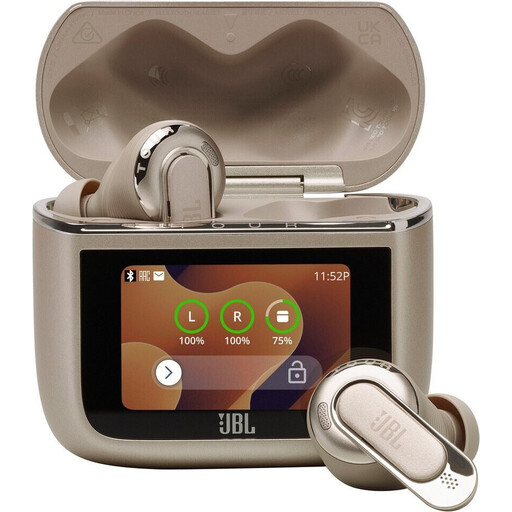
Connecting to your own smartphone doesn’t tell you how to receive audio from another source at your seat. JBL describes the Tour Pro 3 case as a transmitter for connected AUX or USB-C sources.
First check where your course will play and what connection that source has; only then choose a cable or transmitter.
Even with noise cancellation, a sealing ear tip can feel uncomfortable or fail to fit properly. COMPUTER BILD notes that the JBL Tour Pro 3 may feel tight in some ears; the WHO stresses the importance of a good fit when listening in noisy environments.
Try the ear tips with spoken content and wear them for a realistic length of time. If they feel uncomfortable, you could also compare open-fit models.
These notes relate to the product ranges mentioned and are no substitute for comparing the fit, connection and battery life of the specific model.
The Tour Pro 3 may suit travellers who want to listen wirelessly as well as use a connected audio source.
AirPods Pro 3 and AirPods 5 cater to different fit preferences: the former have sealing ear tips, while the latter have a more open fit.
The EAH-AZ100 is an option if you’re interested in adaptive noise cancellation and switching between several of your own playback devices.
The WF-1000XM6 is a sealed-fit ANC option with an ambient sound mode.
The 2nd Generation QuietComfort Ultra Earbuds are ANC in-ear headphones supplied with a separate Fit Kit.
This selection includes wired USB-C in-ear headphones and wireless ANC models for audio courses on long flights, including a model with a transmitter case for connected audio sources.
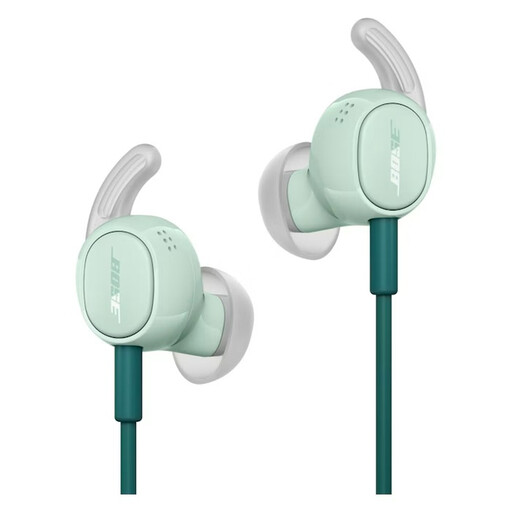 No image available
A wired option if you’re using a compatible USB-C output and want to avoid relying on an earbud battery.
You’ll need a compatible playback device for the USB-C connection described.
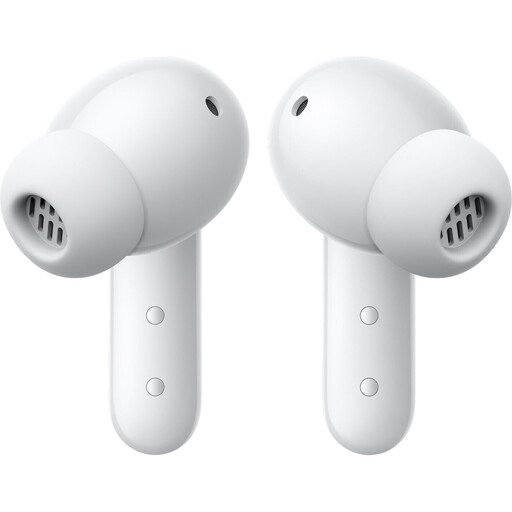 No image available
For wireless listening with noise cancellation; compare playback time per charge in your planned listening mode with the length of your course.
Bluetooth 5.4; 12 mm drivers; up to 61.5 hours of total battery life.
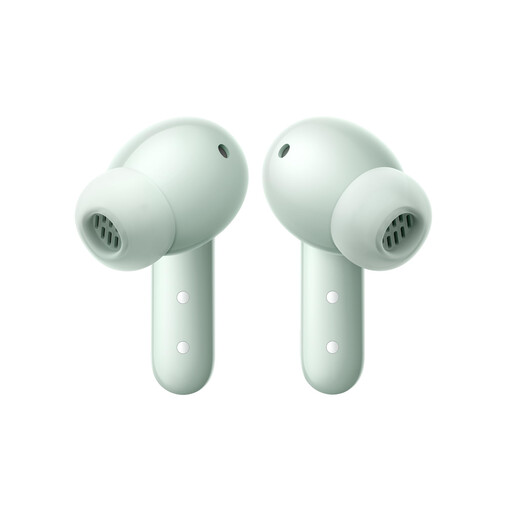 No image available
For wireless listening with ANC from your own device; check that the battery life per charge will cover your listening session.
Bluetooth 5.4; 11 mm drivers; up to 7.5 hours of battery life.
 No image available
For wireless playback with ANC; compare battery life per charge in your planned listening mode with the length of your course.
True Wireless; wireless charging; Smart Case.
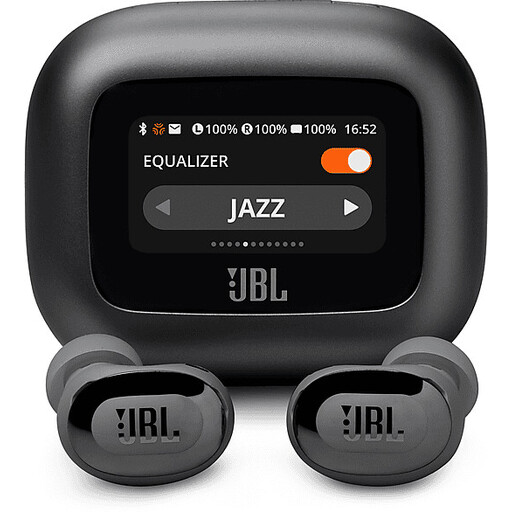
 No image available
For wireless listening with ANC or receiving audio from a connected source via the transmitter case.
JBL describes the case as a transmitter for AUX or USB-C audio. Check that your source’s connection works with the cables you need.
Not in every case. The European Union Aviation Safety Agency (EASA) notes that the airline decides whether electronic devices may be used; crew instructions must always be followed. Whether Bluetooth is permitted throughout every phase of your particular flight depends on your airline’s rules.
The EASA recommends carrying portable electronic devices with lithium batteries in your hand luggage. Spare batteries and power banks are subject to separate restrictions, so check your airline’s dangerous goods rules.
Download the course to the device you plan to use and test the connection beforehand. Try the ear tips with spoken content, and compare battery life per earbud charge in your planned ANC mode with your listening time. If you’re using audio from another device, check its audio connection separately.
The WHO recommends using well-fitting, noise-cancelling headphones in noisy environments, keeping the volume low and taking regular listening breaks. ANC doesn’t mean that every announcement or cabin sound will disappear completely.
If a product is faulty, your statutory rights are against the seller and are separate from any voluntary guarantee. Online purchases generally come with a right to cancel, usually within 14 days. Before trying the product, check the terms of the specific offer and any possible exceptions.