Radio listeners who sleep on their side
If you listen to longer spoken-word programmes before falling asleep, look for a design that puts as little pressure on your ear as possible against the pillow. Check the fit in your usual sleeping position.


Start by considering your sleeping position, then decide whether you want to hear the other person in the room. Flat sleep earbuds may be worth considering if you sleep on your side, while sealed in-ear models may help with background noise and more open designs may suit you if you want to stay aware of others. Also check that your radio app keeps playing in your chosen listening mode, that the earbuds work with your playback device and that you can understand speech clearly at a low volume.
If you listen to longer spoken-word programmes before falling asleep, look for a design that puts as little pressure on your ear as possible against the pillow. Check the fit in your usual sleeping position.
If you want to understand speech despite background noise, check how the earbuds fit and whether noise cancellation might suit your listening situation. Turning up the volume is no substitute for a good fit.
If you share a bedroom and want to be able to respond when someone speaks to you, consider a more open fit or an ambient mode. Maximum isolation may not be your main priority.
First decide whether you’ll be lying down while listening and whether you want to be able to hear the other person. Then check that the fit, connection and listening mode work with your radio app and playback device.
| What matters | What to check when buying | Who is this important to? |
|---|---|---|
| Understanding speech at a low volume | Try the available ear tip sizes and look for a comfortable, sealed fit. Check whether you can switch between ANC and ambient mode to suit your listening situation. | If I want to understand spoken-word programmes quietly despite noise in the room, a good fit matters more to me than powerful bass. Around 31% of consumers put speech clarity at a low volume first. |
| Comfort when lying on your side | Compare the shape of the housing and the available tip sizes, and check the fit in your usual sleeping position. | If I lie on my side while listening, I want to feel as little pressure as possible between my ear and the pillow. Around 25% of consumers prioritise comfort when lying on their side. |
| Staying aware of others in a shared room | Compare a more open fit with an easily accessible ambient mode. At a low volume, check whether the other person can hear sound from the earbuds. | If I want to hear the other person in the room and respond when they speak to me, maximum isolation isn’t my goal. Around 19% of consumers prioritise staying aware of others. |
| Keeping a radio stream playing without unexpected interruptions | Check how your radio app plays, the settings for automatic mode switching and battery life in the same listening mode. | If I listen to longer radio programmes, I don’t want a change in listening mode to affect the stream unexpectedly. Around 13% of consumers mainly prioritise uninterrupted playback. |
| Easy connection with minimal device hassle | Check that your playback device supports the connection you need. For wireless models, also check pairing and any app settings you may need. | If I want to avoid the hassle of charging or pairing as much as possible, I first check which connections are available on my device. Around 12% of consumers prioritise an easy connection. |
The soundcore Sleep A20 has different battery life in Bluetooth and Sleep modes. According to soundcore, automatic switching from Bluetooth mode is enabled by default, so playback and battery life may depend on the setting you choose.
Compare battery life figures only for the same listening mode, and check whether your radio app keeps playing in the mode you want to use.
An unsuitable connection may also mean you need a compatible adapter.
According to the manufacturer, the soundcore Sleep A20 does not have active noise cancellation (ANC), while the Sleep A30 does. A good fit is important for noise isolation with both models.
Check the features of the specific model and decide whether you’re more interested in blocking out noise or hearing the other person.
A general review doesn’t prove that earbuds will feel comfortable against a pillow. A general in-ear review by COMPUTER BILD mentioned that the JBL Tour Pro 3 may put pressure on some ears; it did not assess whether they’re suitable for side-sleeping.
Use general test results only for the features they assessed, and check the fit separately for your own sleeping position.
The Panasonic RP-HJE125 has a 3.5 mm plug. If your device doesn’t have a suitable socket, you may need an appropriate adapter. The cable may also get in the way when you turn over.
Before buying, check the socket or adapter compatibility and consider whether the cable might bother you when lying down.
The Sleep A20 and Sleep A30 models are worth considering for listening while lying down; the Liberty range, by contrast, is designed as an everyday in-ear option.
The WF-C710N is an everyday in-ear option for listeners who want to switch between ANC and hearing their surroundings.
The wired RP-HJE125 may suit you if your playback device has a compatible 3.5 mm connection.
In the Live 4 range, JBL distinguishes between the more snug-fitting Buds and Beam, and the more open-fitting Flex.
The Galaxy Buds FE are an ANC option, but their extra features need to be compatible with the device you use.
The models below include wired in-ear options, wireless in-ear options with ANC and an open-fit model. If you plan to listen while lying on your side, check the specific housing design and fit.
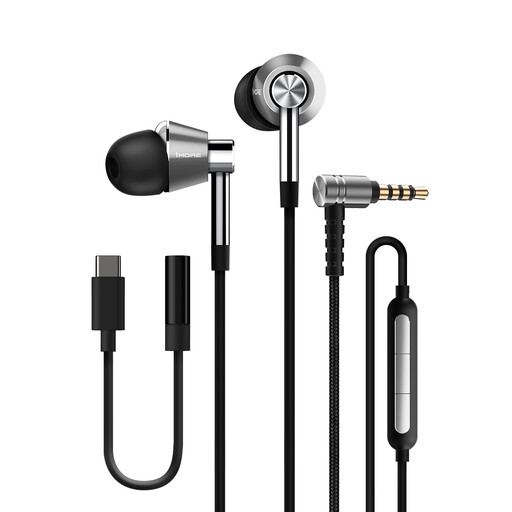 No image available
A wired option if you don’t want to use Bluetooth pairing for playback.
The product description lists nine ear tip sizes and an in-line remote.
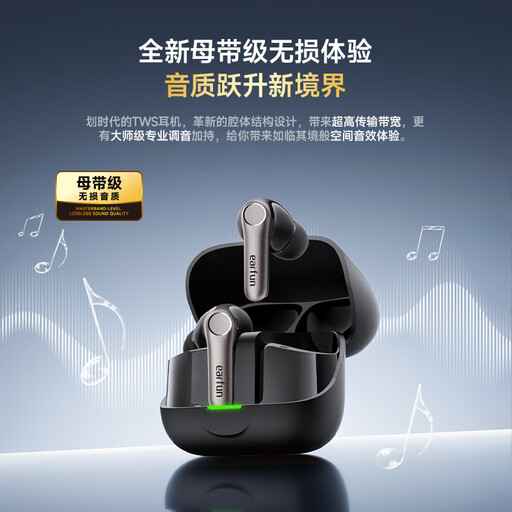 No image available
A wireless option if you want to consider ANC and a sealed in-ear fit.
The product description lists Bluetooth 6.0, five ear tip sizes from XS to XL and multipoint connectivity.
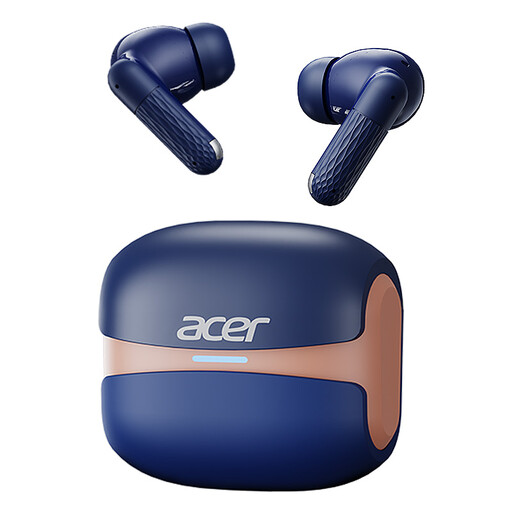 No image available
A wireless in-ear option if you want to control playback over Bluetooth.
The product description lists Bluetooth 5.4, touch controls and a charging case with a Type-C connection.
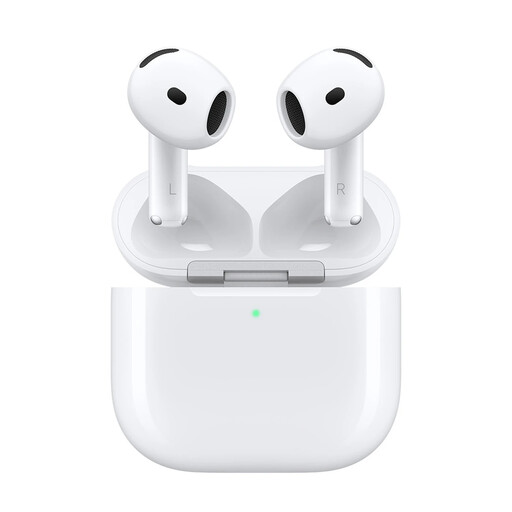 No image available
The open-fit design may suit you if you want to switch between noise cancellation and hearing your surroundings.
The product description lists ANC and Transparency mode. Full compatibility depends on the Bluetooth device you use.
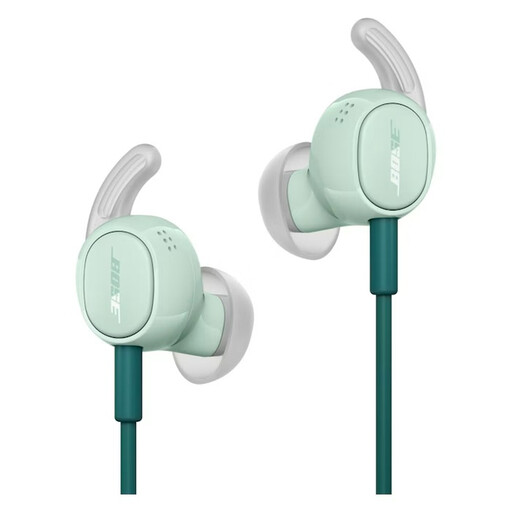 No image available
A wired option if you want to switch between noise isolation and hearing your surroundings.
The product description lists Quiet and Aware modes, as well as ANC off. It connects via USB-C and is listed as compatible with USB-C smartphones, tablets and computers.
Not necessarily. If there’s background noise, well-fitting, sealed ear tips and, if needed, ANC may be worth considering. If you want to hear the other person, look at an ambient mode or a more open fit. According to the manufacturer, the soundcore Sleep A20 has no ANC, while the Sleep A30 does.
Check the listening mode and the setting for switching modes after you fall asleep. According to soundcore, automatic switching from Bluetooth mode is enabled by default on the Sleep A20. On the Sleep A30, what happens after sleep detection also depends on the settings.
Try the housing and ear tips you actually plan to use in your usual sleeping position. A general in-ear review doesn’t prove that a model will feel comfortable against a pillow.
A more open fit may suit you if you want to hear the other person in the room; it blocks less noise than a sealed ear tip. At a low volume, check that you can still understand speech and whether sound from the earbuds carries to others.
Pay attention to both the volume and how long you listen for. The World Health Organization notes that higher sound levels and longer listening times increase the risk of hearing loss, so turning up the volume is no substitute for a good fit or a suitable listening setup.