Podcast listeners on noisy trains
If train noise makes it hard to follow a long story, a secure fit and noise isolation are important things to consider.


For listening to a history podcast on the train, well-fitting, sealed in-ear earbuds are a good starting point. ANC can also reduce steady train noise, but it won’t reliably block out voices. If you want to hear announcements more easily, or don’t like sealed ear tips, consider earbuds with an easily accessible ambient mode or an open-ear design – though these offer less passive isolation. Check the fit and how clearly you can hear speech at a moderate volume; battery life figures apply only to the settings stated.
If train noise makes it hard to follow a long story, a secure fit and noise isolation are important things to consider.
If you listen for long stretches, check the design and range of ear tip sizes to make sure the earbuds stay comfortable over time.
If you want to stay aware of your surroundings while listening to a podcast, look for easy-to-access pause or ambient sound controls.
For a train journey, clear speech, a comfortable fit and an easy way to pause your podcast for announcements all matter. Also compare battery life using the settings you actually plan to use.
| What matters | What to check | Who is it important to? |
|---|---|---|
| Speech clarity | Check the fit and passive seal; try ANC with spoken audio. | If I want to follow a story despite steady train noise, I’ll check the fit and ANC rather than simply turning up the volume; around 33% of consumers prioritise speech clarity. |
| Comfort over long periods | Check the design and the sizes of ear tips included. | If I’m listening for a long time, I want to find a design and ear tip size that feel comfortable in my ears; around 27% of consumers put wearing comfort first. |
| Hearing announcements | Check how easy it is to pause playback and, if available, switch on ambient mode. | If I don’t want to miss announcements, I want to be able to pause the podcast quickly or let in ambient sound; around 20% of consumers prioritise awareness of their surroundings. |
| Battery life and connectivity | Check battery life per charge with your preferred ANC setting; consider multipoint only if you need to connect two devices. | If I’m travelling for a long time or switching between devices, I want to know how long a charge will last with my settings; around 20% of consumers prioritise battery life or switching between devices. |
Noise cancelling won’t block out every sound; changing voices may still be audible. A poor fit can also reduce passive isolation.
Try different ear tip sizes and listen to spoken content at your usual moderate volume, rather than choosing based on an ANC claim alone.
A total figure that includes the charging case isn’t the same as playback time on a single charge. ANC and codec settings can also affect the stated battery life.
Compare battery life per charge using the setting you’re likely to use on your journey.
On long journeys, stopping to charge can interrupt your listening.
Open designs provide less passive isolation. The World Health Organization advises using well-fitting headphones, and noise-cancelling ones where appropriate, so that noise doesn’t lead you to turn the volume up unnecessarily.
Choose open-ear earbuds only if spoken content remains clear at your usual listening volume.
Sony’s WF-C710N and WF-1000XM6 are sealed in-ear models with ANC, ambient mode and multipoint connectivity.
According to JBL, the Tune Buds 2 combine sealed earbuds with ANC and Smart Ambient.
According to Apple, the AirPods Pro 3 have silicone ear tips, ANC and Transparency mode.
According to Huawei, the FreeBuds Pro 5 are sealed in-ear earbuds with silicone tips and ANC, while the FreeBuds 6 offer an open-ear design from the same brand.
The models below are sealed in-ear earbuds with ANC. Compare fit, ambient sound features and the battery life quoted for your preferred setting.
 No image available
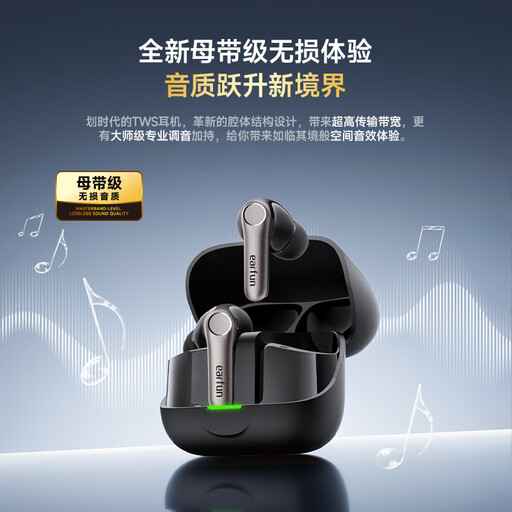
Could suit you if you’re looking for sealed in-ear earbuds with ANC, a choice of ear tip sizes and a connection to two devices.
Product description lists adaptive ANC, five pairs of ear tips in sizes XS–XL and multipoint connectivity.
 No image available
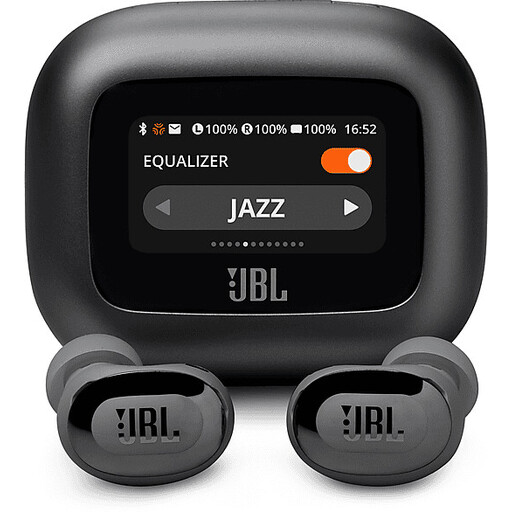
Could suit you if you’re looking for sealed in-ear earbuds with ANC and an adjustable fit.
Product description lists True Adaptive ANC and ear tips in three sizes.
 No image available
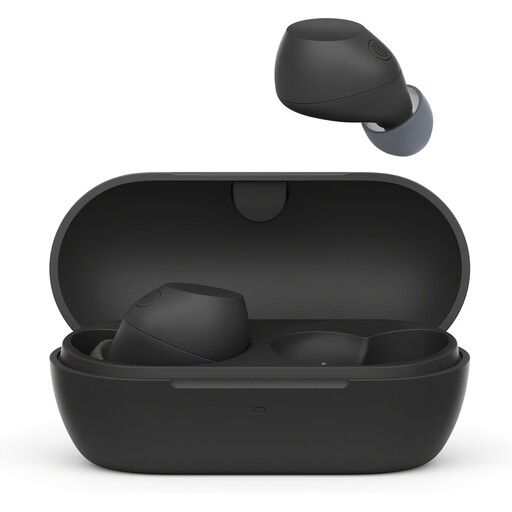
Could suit you if you want to use ANC and let in ambient sound for announcements.
Sony lists ambient mode, multipoint connectivity and up to 8.5 hours of continuous music playback with NC switched on. This is a manufacturer figure.
 No image available
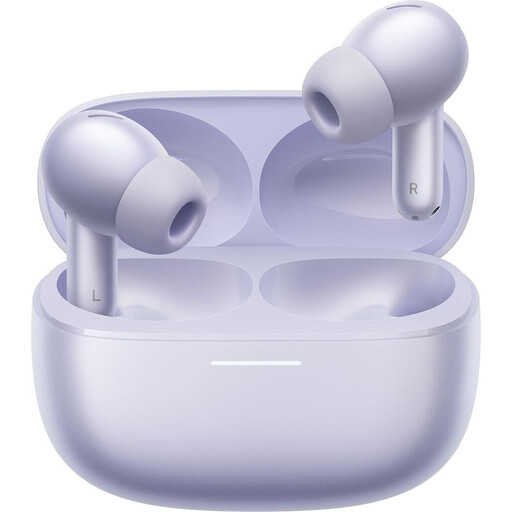
Could suit you if you want to use ANC and switch to Transparency mode to hear more of your surroundings.
Product description lists 20 ANC levels and three Transparency modes.
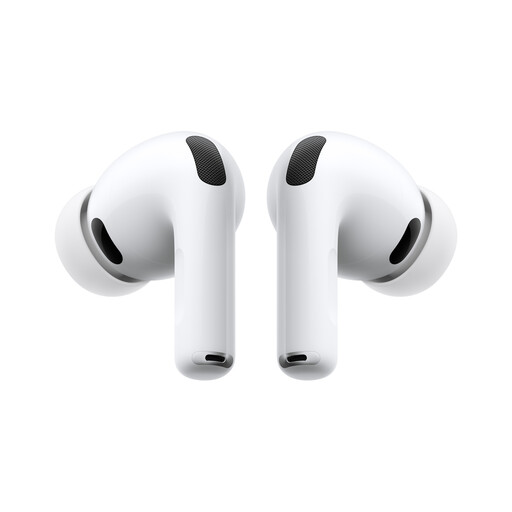 No image available
Could suit you if you’re looking for sealed in-ear earbuds with ANC and Transparency mode.
Apple lists silicone ear tips in five sizes and up to 8 hours of playback on a single charge with ANC enabled. Functionality may be limited with devices from other manufacturers.
No, a good fit is still important. Sealed ear tips provide passive isolation; Sony says ANC is particularly effective against lower-pitched or steadier sounds, while changing voices may still be audible.
Avoid trying to drown out train noise by continually turning up the volume. The World Health Organization recommends well-fitting headphones, and noise-cancelling ones where appropriate; it gives 80 dB for up to 40 hours per week and 90 dB for four hours as examples of exposure limits. These figures don’t tell you what sound pressure level a particular volume setting on your earbuds produces.
Before you travel, check how to pause playback and, if available, switch on ambient mode. Sony lists ambient mode on the WF-C710N; controls vary by model.
Look at playback time per charge with the ANC and codec settings you plan to use. Figures that include the charging case, or are measured with ANC switched off, aren’t the same as continuous playback with ANC switched on.
Deutsche Bahn says that listening to music loudly, including through headphones, is not welcome in the ICE quiet carriage. Keep the volume low and make sure other passengers can’t hear what you’re listening to.