
Lieferung heute & morgen

Qualitätsgarantie

Willkommens-Angebote freischalten: KOSTENLOSE Lieferung | Bis zu 80 % RABATT | Kostenlose 30-Tage-JoyPlus-Testphase
App herunterladen
Ear care is a sensitive topic. Traditional methods like cotton swabs are often considered inadequate or potentially risky, as they can push earwax deeper into the ear canal. An earwax removal tool with a camera, also known as a visual ear cleaner, offers a modern alternative that provides a direct view inside your ear canal. However, the market is flooded with devices making lofty promises. Before you make a purchase, it's crucial to understand the most common pitfalls to make an informed choice.
Many devices fail to meet basic requirements, leading to frustration and, in the worst-case scenario, unsafe use. Pay close attention to these three points:
To avoid a bad purchase, you should focus on objective technical specifications rather than marketing buzzwords.
High resolution is only part of the equation. A good HD otoscope is defined by the interplay of several factors. Look for a camera resolution of at least 5 megapixels for a clear image. The integrated LED lights are just as important. They should illuminate the ear canal evenly without creating glare. A good frame rate (Frames Per Second, FPS) also ensures a smooth, stutter-free video stream.
Safety is the top priority. The tips that come into contact with the ear canal must be made of soft, body-safe silicone. This material is flexible and minimises the risk of scratches. Also, check the diameter of the tips. A good earwax removal kit includes various sizes to suit different ear canals (e.g., for adults and children). The device itself should be lightweight and ergonomically designed to ensure a steady hand during use.
A reliable visual ear cleaner uses a stable direct Wi-Fi connection to your smartphone. The corresponding ear cleaner app should be intuitive and compatible with common operating systems (iOS and Android). A modern USB-C port for charging and a sufficient battery life of at least 30 minutes per charge are also hallmarks of a high-quality device.
Based on the criteria above, we have identified several models suitable for different needs and user profiles.
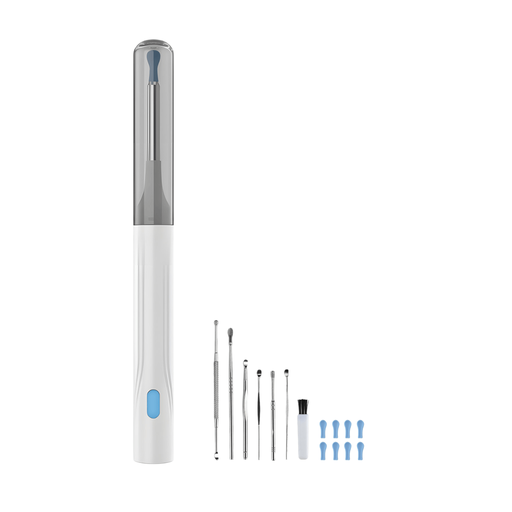
Why it's a good fit: Ideal for users who want to try the benefits of a visual ear cleaner without immediately investing in a top-tier model. It offers all the core features for safe inspection and cleaning at home.
The device comes with soft silicone tips, avoiding the risk of injury from hard plastic. The 8MP camera provides a sufficiently clear resolution for reliable visual inspection.
Offers a comprehensive accessory kit, including various tips and traditional ear picks, representing excellent value for money for beginners.
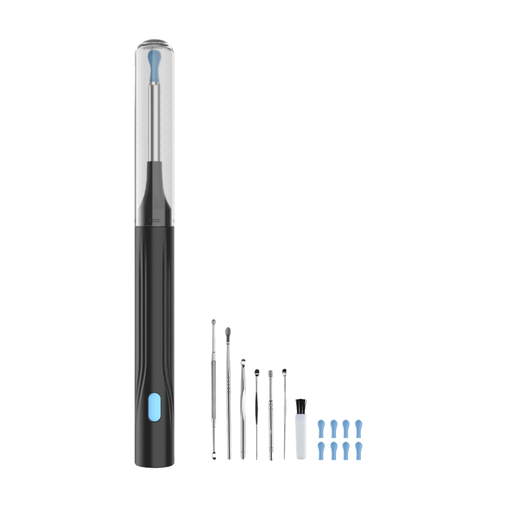
Why it's a good fit: For users who value maximum image clarity and technical details. The higher resolution allows for an even more precise inspection of the ear canal and eardrum.
The 10MP camera delivers a highly detailed image, sidestepping the pitfall of misleading "HD" promises. The IPX5 waterproof lens makes hygienic cleaning easy.
The high image resolution ensures maximum clarity. Its slim, lightweight design (14.2 g) and Type-C charging port meet modern technical standards.
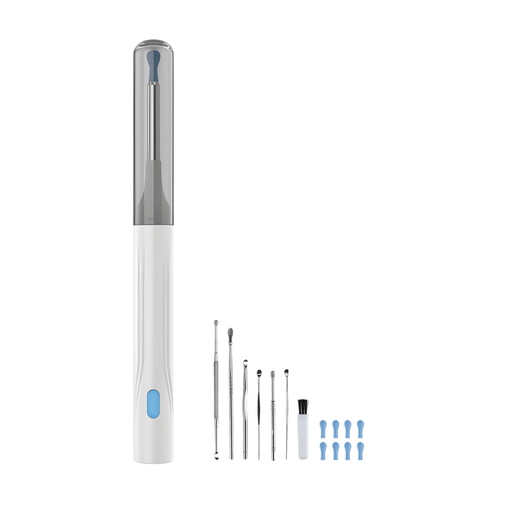
Why it's a good fit: When the device is intended for use by multiple family members, hygiene and safety are paramount. This kit provides the necessary equipment for that.
The soft 3.5mm silicone tips are suitable for both adults and children, minimising the risk of injury. The kit includes multiple replacement tips for hygienic use.
A comprehensive kit with 6 replacement silicone tips and a 6-piece traditional ear care set, enabling hygienic and versatile use for the whole family.
We've compiled a complete, up-to-date list of products that fully meet these strict selection criteria and safety standards.
1. How do I connect the ear cleaner to my smartphone? Connection is typically established via the manufacturer's proprietary app. After downloading the app from the App Store or Google Play Store, turn on the ear cleaner. It will create its own Wi-Fi network. In your smartphone's Wi-Fi settings, connect to this network. Then, open the app, which should automatically display the live feed from the camera.
2. Is it safe to use an at-home otoscope? When used correctly, safe ear cleaning is possible. Always choose a device with soft silicone tips and never force it or insert it too deeply into the ear canal. The visual guidance helps prevent injuries that can occur from the blind use of cotton swabs. If you have an existing earache, inflammation, or a perforated eardrum, do not use the device and consult a doctor.
3. How often should you use a visual ear cleaner? The frequency of use depends on your individual earwax production. Earwax serves an important protective function, so excessive cleaning is not recommended. For most people, an occasional inspection every few weeks is sufficient to check the condition and only remove excess, easily accessible earwax when necessary.