
Lieferung heute & morgen

Qualitätsgarantie

Willkommens-Angebote freischalten: KOSTENLOSE Lieferung | Bis zu 80 % RABATT | Kostenlose 30-Tage-JoyPlus-Testphase
App herunterladen
Visual at-home ear cleaning is gaining popularity as an alternative to traditional methods. An ear wax removal tool with a camera promises a precise and controlled experience. However, the market is flooded with devices whose performance claims often don't match reality. Many users report blurry images, unsafe tips, or unreliable apps, leading to quick buyer's remorse. This guide highlights the crucial features that define a functional and safe device, helping you to sidestep common purchasing traps.
Before making a purchase, it's important to understand the most widespread weaknesses that can render a useful device impractical or even unsafe.
To avoid a bad purchase, you should focus your attention on three core technical parameters. These are the primary determinants of the safety and functionality of an at-home otoscope.
The quality of the cleaning tools that come into contact with the ear canal is of the utmost priority. Look for the following features:
For clear visual ear cleaning, the camera's technical specifications are critical.
The ear camera for your smartphone operates via an app. Its stability is fundamental to the device's function.
Based on the quality criteria mentioned, we have identified several products suitable for different user groups and their specific needs.
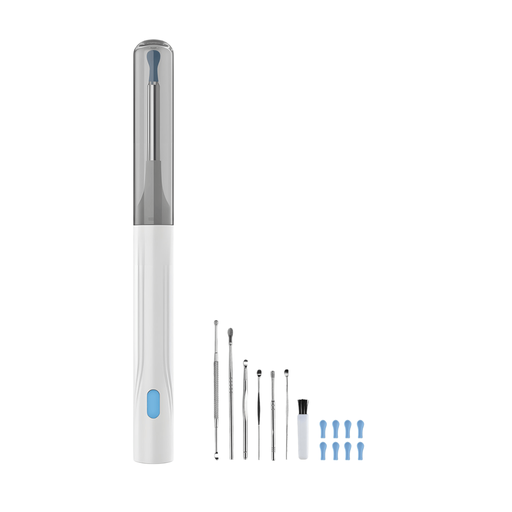
Why This Fits Their Persona: This kit is ideal for users looking for a straightforward and safe entry-level solution. It combines essential safety features with a comprehensive accessory package at an accessible price point.
It directly counters the danger of hard tips with soft 3.5 mm silicone tips that minimise the risk of injury.
The 10MP HD camera with 6 LEDs ensures a clear view. The package also includes a traditional 6-piece ear care set.
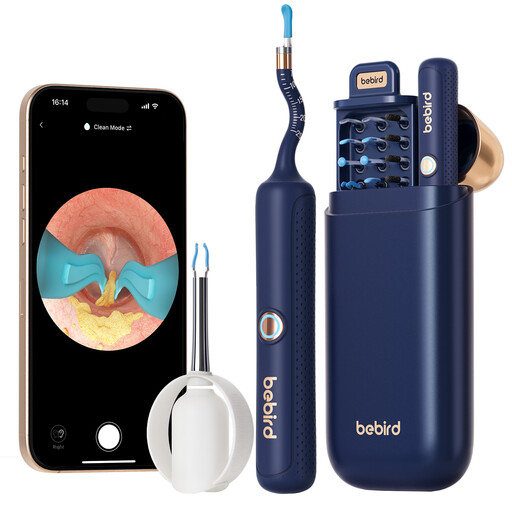
Why This Fits Their Persona: This model from Bebird is aimed at users who want more than just a simple cleaning solution. It is designed for various types of earwax (wet, dry, oily) and offers additional comfort through its unique design.
It bypasses the trap of rigid devices with a flexible otoscope that adapts to the natural curves of the ear canal, enhancing comfort.
Its standout feature is the versatile attachments, including a flexible tweezer. The FHD camera is also waterproof, dustproof, and anti-fog.
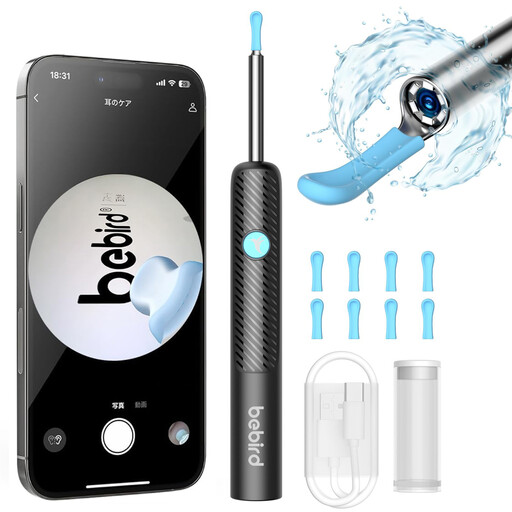
Why This Fits Their Persona: For users who value high technical standards and reliable performance. This model combines a high-resolution camera with a robust, waterproof construction.
It addresses image quality and connectivity issues with a 1080P camera and a stable Wi-Fi connection, ensuring a clear, lag-free stream.
The lens is IP67 waterproof, which significantly simplifies cleaning the device. The ultra-thin 3.5 mm lens diameter allows for comfortable use.
We have compiled a complete, up-to-date list of products that fully meet these strict selection criteria and safety regulations.
Is it safe to use an ear cleaner with a camera at home? When used correctly according to the instruction manual, such a device is a safe method for ear care. It is crucial to only use soft silicone tips, not to insert the device too deep into the ear canal, and to avoid sudden movements. The visual feedback on your smartphone helps you control the process safely.
How do I clean the device after use? Most models have a waterproof camera lens (e.g., IPX5 or IP67). The tips can be removed and cleaned with water and mild soap. The lens itself can be gently cleaned with an alcohol swab or under running water (depending on the waterproof rating). The body of the device should not be submerged in water.
Does an at-home otoscope replace a visit to the doctor? No. An ear wax removal tool with a camera is a grooming tool for the routine removal of excess earwax. It is not intended for medical diagnosis or treatment. If you experience pain, discharge, an infection, suspected hearing loss, or have a foreign object in your ear, you should see a doctor immediately.