
Lieferung heute & morgen

Qualitätsgarantie

Willkommens-Angebote freischalten: KOSTENLOSE Lieferung | Bis zu 80 % RABATT | Kostenlose 30-Tage-JoyPlus-Testphase
App herunterladen
As a Joybuy Product Recommendation Officer, my role is to provide you with clear and objective information. The introduction of the new ECE 22.06 safety standard has raised many questions. This guide is designed to help you understand the key features of a helmet certified under this standard and make an informed purchasing decision. We will focus on objective criteria and present a selection of models that meet the latest requirements.
Choosing the right helmet depends on several factors that go beyond just design. The new ECE 22.06 standard sets a higher bar for safety. Here are three key points to consider in your decision.
The ECE 22.06 standard is the evolution of the previous 22.05 standard. It introduces more rigorous testing procedures to increase protection for motorcyclists. Key changes include:
An ECE 22.06 motorcycle helmet therefore offers certified protection according to the latest European regulations.
The choice between a full-face and a modular helmet is often a matter of your personal riding style.
Regardless of the type, the correct fit is crucial. A helmet must sit snugly without creating pressure points. Measure your head circumference at the widest point above your ears and compare the measurement with the manufacturer's size chart.
Modern helmets offer features that significantly enhance riding comfort and practicality.
Based on the criteria mentioned, we have compiled a selection of helmets that meet the ECE 22.06 standard and offer practical features for different types of riders.
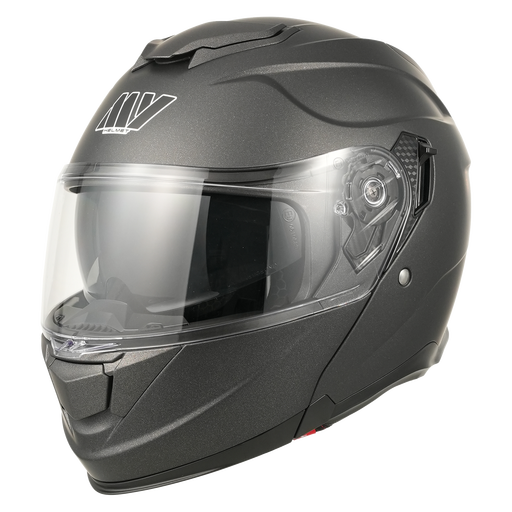
What sets it apart: This modular helmet combines the flexibility of a flip-up design with the safety of ECE 22.06 certification. The ABS outer shell and EPS inner shell are designed for shock absorption. The integrated dual-visor system protects your eyes from UV radiation and glare.
Advantages:
Who it's for: Ideal for touring riders and commuters who are looking for a versatile helmet for various situations and appreciate the convenience of a modular mechanism.
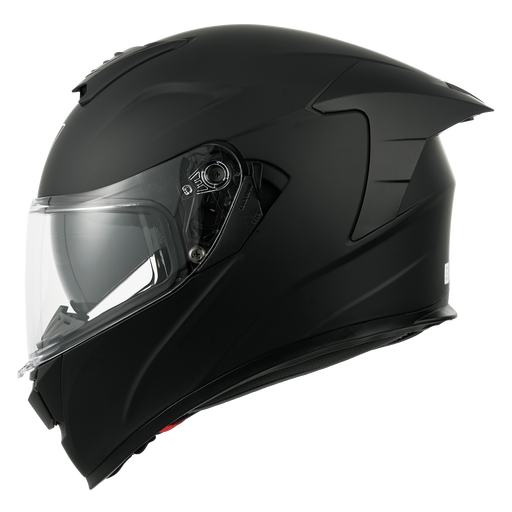
What sets it apart: A classic ECE 22.06 full-face helmet in the popular matte black motorcycle helmet colourway. This unisex motorcycle helmet focuses on the core functions of safety and comfort. The integrated sun visor and removable liner make it a practical companion for everyday use.
Advantages:
Who it's for: Suitable for budget-conscious and safety-oriented riders looking for a reliable full-face helmet for daily city traffic, commuting, or occasional rides.
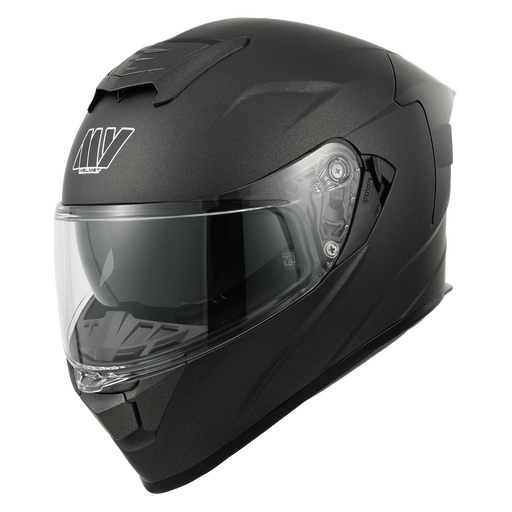
What sets it apart: This model is structurally identical to the matte black version and offers the same safety and comfort features. The matte titanium finish gives the helmet a modern, technical look. It also meets the strict ECE 22.06 standard and includes an integrated sun visor.
Advantages:
Who it's for: A great choice for riders who appreciate the features of the 936 Series full-face helmet but prefer a colour option other than classic black.
The right gear is crucial for both safety and riding enjoyment. If you need a replacement visor, for example, or are interested in other accessories, you will find a wide selection in our category.
? Explore our range of motorcycle helmet visors here.
1. What is the main difference between ECE 22.05 and ECE 22.06? The main difference lies in the expanded testing protocol. The ECE 22.06 standard tests helmets at 18 impact points instead of the previous 6, at various speeds, and for the first time includes a test to measure rotational forces. Accessories like visors and sun shields are also subject to stricter requirements.
2. Can I still use my old ECE 22.05 helmet? Yes, there is no legal obligation for riders to replace an existing and undamaged ECE 22.05 helmet. The new regulation affects manufacturers and retailers: since January 2024, only helmets certified under ECE 22.06 (or 22.05 with a manufacturing date before 2023) may be placed on the market in the EU.
3. How do I find the right helmet size? Measure your head circumference with a tape measure at its widest point, about one centimetre above your eyebrows and ears. Compare this value with the respective helmet manufacturer's size chart. A new helmet should fit snugly and not shift when you move your head, but it should not cause any pressure points. The inner padding will break in and loosen slightly over time.