
Lieferung heute & morgen

Qualitätsgarantie

Willkommens-Angebote freischalten: KOSTENLOSE Lieferung | Bis zu 80 % RABATT | Kostenlose 30-Tage-JoyPlus-Testphase
App herunterladen
The introduction of the new ECE 22.06 safety standard has significantly tightened the requirements for motorcycle helmets. For riders, this means a higher level of protection, but also the need to re-evaluate their choices when buying a new helmet. This guide will help you understand the key features of a modern helmet and introduce several models that meet the current ECE R22.06 helmet standard. Our goal is to provide you with a factual foundation for your purchasing decision.
Choosing the right helmet depends on your individual needs and primary use case. Three aspects are particularly important: helmet type, comfort features, and the correct fit.
The decision between a full-face and a modular helmet is fundamental.
For daily use and longer tours, two features have proven to be especially useful:
A helmet can only provide its full protective effect if it fits correctly. It should sit snugly on the head without creating pressure points. It must not move when you shake your head. Many manufacturers offer helmets for men and women in different sizes and sometimes with customisable inner padding. For riders who wear glasses, models with special cutouts in the cheek pads (a glasses channel) are worth considering to increase comfort.
Based on the criteria mentioned, we have compiled a selection of helmets that meet the current safety standard and impress with their functional features.
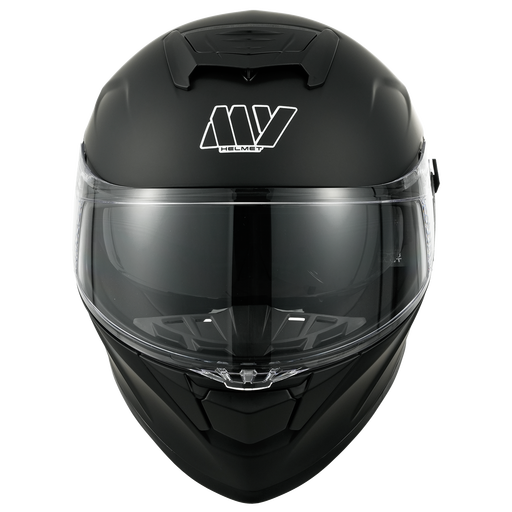
Why it stands out: The Model 936 is a streamlined full-face helmet that focuses on the essentials: protection and functionality. The matt black motorcycle helmet finish gives it a timeless look. Its construction, with no moving parts on the chin bar, ensures high structural integrity.
Advantages:
Who is it for? Riders looking for a reliable and safe full-face helmet for their daily commute or for rides on country roads, who also appreciate a clean design.
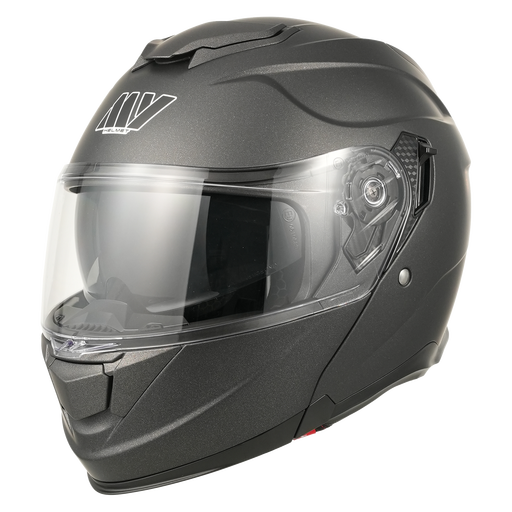
Why it stands out: This 935-series modular helmet combines the protection of a full-face helmet with the practicality of an open-face one. A key feature is the integrated preparation for a Bluetooth headset, with dedicated cutouts under the cheek pads.
Advantages:
Who is it for? Ideal for commuters and touring riders who stop frequently and appreciate the flexibility of a modular mechanism. The preparation for a communication system also makes it attractive for riders who want to navigate or communicate with a passenger or group while riding.
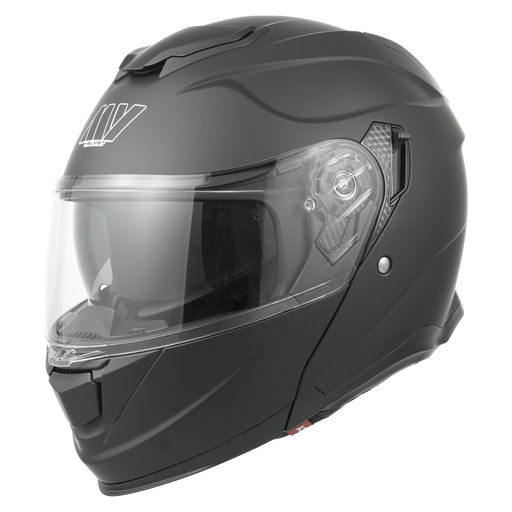
Why it stands out: This model offers the identical technical features as the Matt Titanium version but comes in the popular matt black motorcycle helmet colourway. It combines the high functionality of a modular helmet with a subtle and widely popular aesthetic.
Advantages:
Who is it for? Riders who want the functional benefits of the modular 935 helmet but prefer a classic, matt black look that complements many motorcycle types and riding gear styles.
Full-face and modular helmets offer comprehensive protection. However, for rides in warm weather or in the city, some riders prefer the airiness of an open-face helmet. If you are looking for such an alternative, you will find a selection of models in our category.
Discover our selection of open-face helmets
The ECE 22.06 standard is the successor to the ECE 22.05 regulation, which was over 20 years old. It mandates a significantly expanded and more stringent testing procedure. Helmets are now tested for their impact absorption at different speeds and from various angles. The visor's resistance to penetration and the helmet's roll-off resistance are also tested more rigorously.
Yes, the use of helmets with the older ECE 22.05 certification is still permitted on the road. However, the sale of new helmets that only meet this old standard has been banned in the EU since January 2024. Switching to an ECE R22.06 helmet is recommended due to its demonstrably higher safety standard.
To find your helmet size, use a measuring tape to measure the circumference of your head at its widest point, about one centimetre above your eyebrows and ears. Compare the measured value in centimetres with the size chart of the respective helmet manufacturer. A new helmet should fit snugly and feel slightly tight at first, as the padding will break in and compress slightly over time.