
Lieferung heute & morgen

Qualitätsgarantie

Willkommens-Angebote freischalten: KOSTENLOSE Lieferung | Bis zu 80 % RABATT | Kostenlose 30-Tage-JoyPlus-Testphase
App herunterladen
The search for a new motorcycle helmet can quickly become overwhelming. This is especially true when you're specifically looking for a motorcycle helmet with a sun visor and ECE 22.06 certification, where you'll encounter a vast array of models and marketing promises. However, not every helmet that looks good at first glance is a worthwhile investment. Certain design flaws or outdated standards can significantly compromise riding comfort and safety.
This guide will help you identify the crucial features and avoid common purchasing pitfalls. We focus on the objective facts necessary for making an informed decision.
Common Pitfalls When Buying a Helmet:
To avoid a bad purchase, you should focus on three core areas: safety certification, helmet type, and practical features.
The new ECE R 22.06 certified testing standard has been in effect since 2021 and sets a higher bar for helmet safety. Compared to its predecessor, 22.05, the tests are significantly more comprehensive. Key updates include:
A helmet with ECE 22.06 certification has demonstrably passed these demanding tests.
The choice between a modular and a full-face helmet largely depends on your personal riding style.
Acrylonitrile Butadiene Styrene (ABS) is a common material for the outer shell, offering a good balance of impact resistance and a reasonable weight.
Beyond safety, it's the details that make a helmet practical for daily use:
Based on the criteria mentioned, we have identified a few models suitable for different requirement profiles.
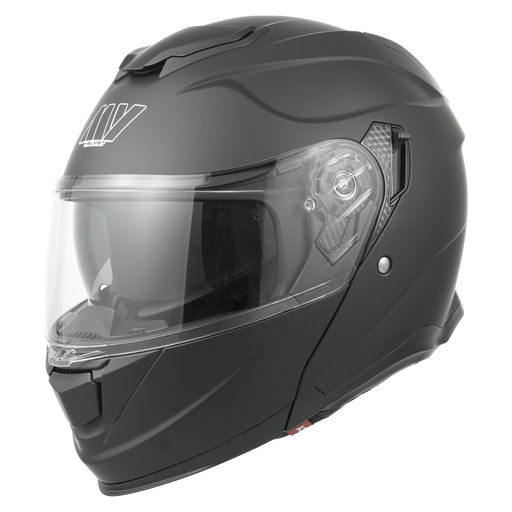
Why This Fits Their Persona: As a modular helmet, this model is ideal for city traffic. The chin bar easily flips up at a traffic light or during a quick stop at the gas station, which facilitates communication and provides rapid cooling.
It is certified according to the current ECE 22.06 standard. The integrated sun visor and preparation for Bluetooth systems prevent costly or impractical retrofitting solutions.
Flexibility thanks to the modular mechanism; Prepared cutouts for communication systems.
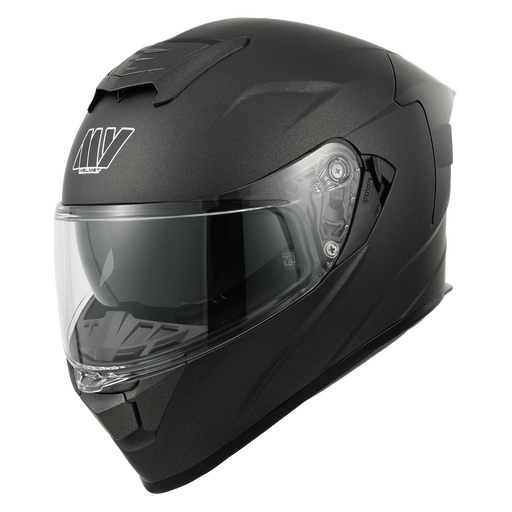
Why This Fits Their Persona: As a full-face helmet, this model offers a continuous, solid shell structure. It's the right choice for riders who prioritise maximum structural integrity but don't want to sacrifice the convenience of a sun visor for rides in changing light conditions.
The ECE 22.06 certification ensures the helmet has passed the latest, stringent safety tests. The sun visor is cleanly integrated and easy to operate.
High structural stability due to its full-face design; Removable and washable inner lining.
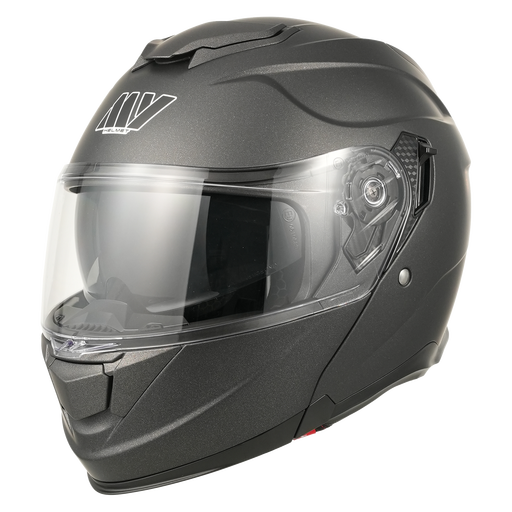
Why This Fits Their Persona: On long journeys, comfort and functionality are crucial. This modular helmet combines flexibility for breaks with a comfortable inner lining and good ventilation. The subtle colour scheme, available as a matte black motorcycle helmet or in titanium, matches many bikes and gear.
The explicit Bluetooth-ready design, with dedicated slots under the cheek pads, ensures an intercom headset can be installed without compromising comfort.
Comfortable inner lining optimised for long rides; Easy retrofitting of communication systems.
We have compiled a complete, up-to-date list of products that fully meet these strict selection criteria and safety regulations.
The fit is crucial for both safety and comfort. Measure the circumference of your head at its widest point, about one centimetre above your eyebrows and ears. Compare this measurement with the manufacturer's size chart. A new helmet should fit snugly without creating any uncomfortable pressure points. It should not shift during rapid head movements.
Not necessarily. While many helmets offer some space, a model with a Bluetooth-ready design is highly recommended. These models have pre-molded cutouts for the speakers, which greatly simplifies installation and prevents the speakers from pressing on your ears.
Most manufacturers recommend replacing a motorcycle helmet after about five to seven years. Materials like the EPS inner shell can degrade over time and lose their shock-absorbing properties. Regardless of age, a helmet must be replaced immediately after any crash or significant impact, even if no external damage is visible, as the internal protective structure may be compromised.