
Lieferung heute & morgen

Qualitätsgarantie

Willkommens-Angebote freischalten: KOSTENLOSE Lieferung | Bis zu 80 % RABATT | Kostenlose 30-Tage-JoyPlus-Testphase
App herunterladen
Choosing the right spinning rod is crucial for your success and enjoyment on the water. However, the market is flooded with options that often overpromise and underdeliver. Many anglers invest in a rod only to find it's unsuitable for their target species or preferred fishing technique. This guide will help you avoid common purchasing pitfalls and make an informed decision for your next ECOODA spinning rod.
As a Joybuy Product Recommendation Officer, my mission is to provide you with objective information so you can understand a rod's technical features and match them to your personal requirements.
Before we dive into specific models, let's address three common issues that lead to purchase mistakes:
To make the right choice, focus on three core technical parameters directly related to your style of fishing.
The rod action describes how the rod bends under load. A fast-action rod bends primarily in the tip section, allowing for very precise lure presentation and immediate bite detection. This is ideal for fishing with soft plastics for perch or zander. In contrast, a moderate to slow action, where the rod bends into the mid-section or even the handle, is perfect for techniques like fishing with a Tai Rubber rod or Tenya fishing rod, as it allows the fish to take the lure with less resistance.
The casting weight must precisely match the lures you use most often. A light spinning rod with a casting weight of 5–15 g is optimal for perch fishing, while a sea bass rod for coastal angling should be in the 15–50 g range to achieve the necessary casting distance, even in windy conditions.
Modern spinning rods, especially a high-quality carbon fishing rod, are made from carbon fibre blanks. The quality depends on the density of the fibres and the type of resin used. A well-constructed blank is lightweight, transmits vibrations from the lure and fish directly to the angler's hand, and has a strong backbone to safely control even trophy-sized fish. Look for features like cross-wrapping, which increases the blank's stability and load-bearing capacity without adding unnecessary weight.
A saltwater fishing rod differs from a freshwater model in its corrosion-resistant components. The reel seat and rod guides must withstand harsh saltwater to ensure a long lifespan. A boat rod is typically shorter (often under 2.40 m) to facilitate handling in confined spaces and provide better control during a vertical fight. In contrast, a sea fishing rod for shore angling is usually longer to achieve maximum casting distance.
Here are three ECOODA models designed for different angler profiles and applications.
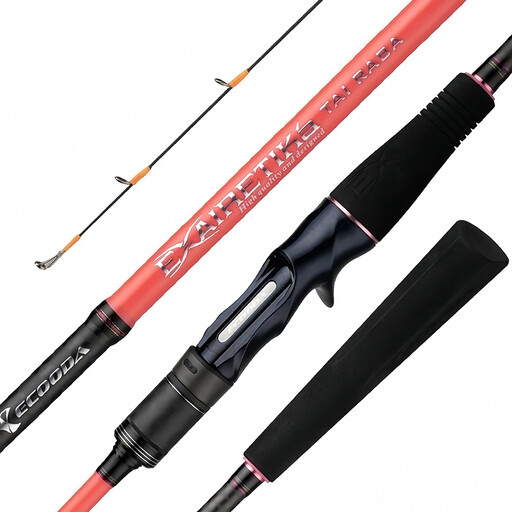
Why This Fits Their Persona: This model is specifically designed for the Japanese finesse methods of Tai Rubber and Tenya. Its sensitive tip and parabolic action are engineered to detect and absorb the subtle bites of fish like sea bream.
It bypasses the "all-in-one" trap by offering a highly specialised action that a generic spinning rod cannot provide. It is a purpose-built tool.
Excellent bite detection with passive lure presentation; reduces hook pulls thanks to the blank's forgiving action.
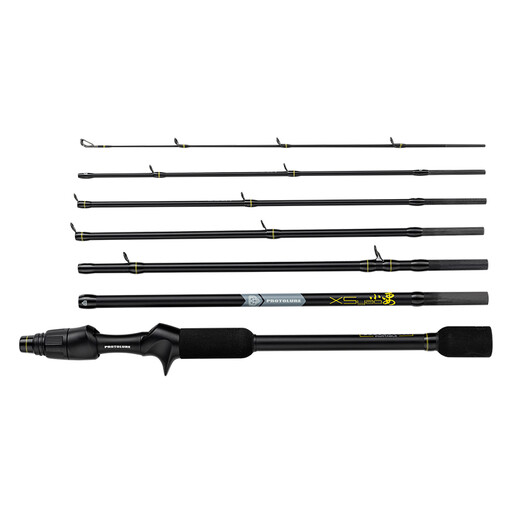
Why This Fits Their Persona: This rod is tailored to the demands of coastal spin fishing, especially for sea bass. Its length and casting weight are optimised for long casts with common coastal lures like hard-body lures and soft plastics.
It solves the problem of vague material specs by providing a blank whose performance (casting distance, backbone) is clearly designed for demanding saltwater angling.
Strong backbone for controlling hard-fighting sea fish; optimised for long casting distances from the shore.
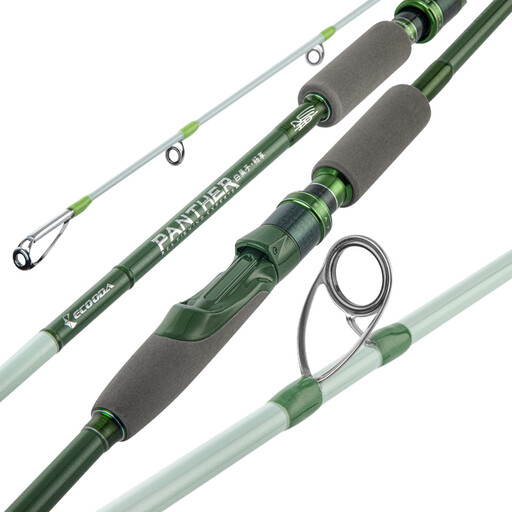
Why This Fits Their Persona: This light offshore boat rod is designed for boat-based angling. Its moderate length makes it easy to handle on board, while the blank offers enough power reserves for vertical jigging or fishing with light pilkers for species like cod or pollock.
It avoids the trap of mismatched action and length. Instead of a long shore rod, you get a tool optimised for vertical power transfer and handling in tight spaces.
Lightweight and balanced design for fatigue-free fishing; powerful blank for excellent control during the fight from a boat.
We've curated a complete, up-to-date list of products that fully meet these strict selection criteria.
1. What is the difference between a freshwater spinning rod and a saltwater fishing rod? The main difference lies in the components used. A saltwater fishing rod features rod guides and a reel seat made from corrosion-resistant materials like stainless steel or titanium to prevent rust and damage from saltwater. Freshwater rods often use components that cannot withstand this prolonged exposure.
2. How do I choose the right casting weight for my ECOODA spinning rod? The optimal casting weight depends on the lures you use most frequently. Check the weight of your favourite hard-body lures, soft plastics, or jigs. The rod's casting weight range should cover this. A rod loads best and achieves maximum casting distance when the lure's weight is in the middle to upper third of the specified casting weight range.
3. Is a two-piece carbon fishing rod inferior to a one-piece model? In the past, two-piece rods were considered a compromise in terms of action and sensitivity. However, modern ferrules are so precisely engineered that the difference in performance is barely noticeable to most anglers. A two-piece rod offers the crucial advantage of easy transport and space-saving storage without requiring you to make significant sacrifices in performance.