
Lieferung heute & morgen

Qualitätsgarantie

Willkommens-Angebote freischalten: KOSTENLOSE Lieferung | Bis zu 80 % RABATT | Kostenlose 30-Tage-JoyPlus-Testphase
App herunterladen
Finding the right educational toy can quickly become overwhelming. The market is flooded with products that promise playful learning, but not all of them live up to what their packaging suggests. As a parent, grandparent, or relative, you want to find a gift that not only provides short-term excitement but also offers lasting developmental benefits for the child. This guide will help you avoid common purchasing traps and make an informed decision.
Many well-intentioned purchases turn out to be mistakes. Watch out for these three common problems to avoid disappointment.
To avoid these pitfalls, you should check three core aspects before making a purchase. These will help you objectively evaluate a product's quality and long-term value.
The age recommendation on the packaging is just a starting point. It's more important that the toy matches the child's individual interests and developmental stage. Ask yourself:
A good educational toy remains engaging over a long period. Look for these features:
The durability and safety of the toy depend directly on its materials and craftsmanship.
Here are some recommendations tailored to different interests and age groups that meet the criteria mentioned above.
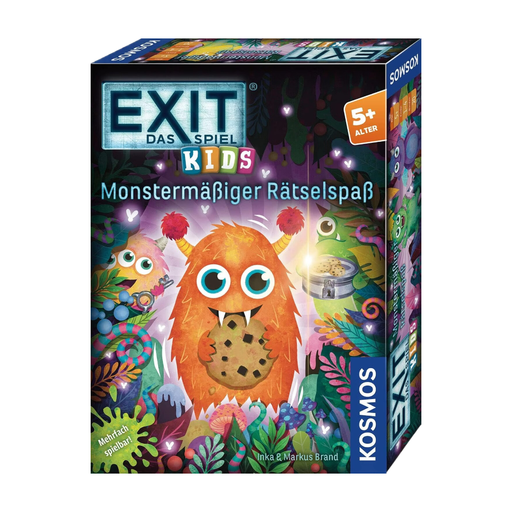
Why it's a great fit: It's an ideal introduction to the world of cooperative puzzle games. Children solve tasks together, which promotes teamwork and communication rather than competition. The game is specifically designed for younger children to avoid frustration.
Thanks to its repeatable game mechanic, it offers high replay value, thus avoiding the "short-lived entertainment" trap. Every round plays out differently.
Promotes logical thinking and teamwork in a playful way. The rules are simple, allowing for a quick start.
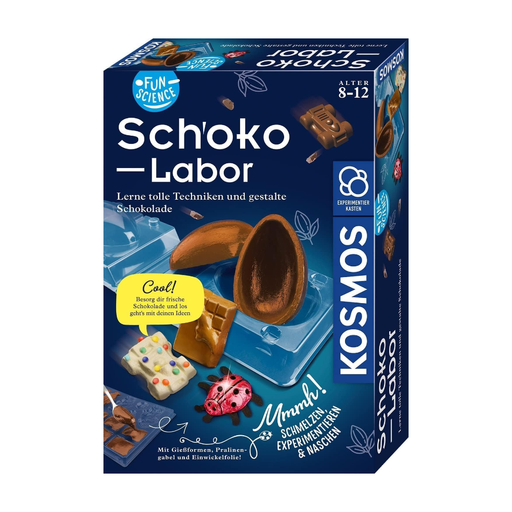
Why it's a great fit: This kit is an excellent example of a STEM toy that makes science tangible. Children learn fundamental principles of chemistry and physics (melting points, states of matter) through a topic they love: chocolate. It's a perfect gift for school-aged children who enjoy hands-on activities.
It avoids the empty "educational value" promise because the learning effect is directly linked to a delicious, tangible result. The motivation to understand the scientific steps is high.
Combines culinary creativity with STEM fundamentals. The kit includes the necessary tools and instructions to get started right away.

Why it's a great fit: This device offers a screen-free alternative to learning apps. It trains the four basic arithmetic operations with audio feedback, encouraging independent practice. Its portability also makes it suitable for on-the-go learning.
With five modes and, according to the manufacturer, over 50,000 questions, it offers tremendous depth of content and grows with the child's abilities. This prevents it from becoming boring after a short time.
Focused, interactive maths training without the distraction of a screen. The rechargeable battery and compact design make it highly versatile.
We've compiled a complete, up-to-date list of products that fully meet these strict selection criteria and UK safety regulations.
You can recognise a truly educationally valuable toy less by its marketing label and more by its features. Check if it stimulates creativity through open-ended play, if it promotes specific skills like problem-solving or social interaction, and if it can be adapted to the child's growing abilities.
Look for high replay value. With board games for kids, this is achieved through interaction and ever-changing game outcomes. With construction sets or science kits, it's the ability to create or discover something new again and again. Products that deliver a tangible, usable result also provide long-term motivation.
Not necessarily. A higher price can indicate better material quality, more complex technology, or more extensive accessories, as is often the case with large sets from Kosmos Games. However, more crucial than the price is whether the toy matches the child's interests and meets the criteria for long-term play value mentioned above. A simple but suitable toy can be more valuable than an expensive one that goes unused.