
Lieferung heute & morgen

Qualitätsgarantie

Willkommens-Angebote freischalten: KOSTENLOSE Lieferung | Bis zu 80 % RABATT | Kostenlose 30-Tage-JoyPlus-Testphase
App herunterladen
The search for the right educational toy can quickly feel overwhelming. The market is filled with products that promise playful learning, but not all of them deliver on their packaging's claims. As a parent or grandparent, you want to make a choice that not only brings short-term joy but also provides lasting support for your child's development. This guide will help you navigate common pitfalls and make an informed decision.
Before choosing a product, it's helpful to understand the typical problems that often only become apparent after the purchase.
To avoid a bad purchase, focus on a few objective criteria that determine a toy's quality and value.
Safety is the most important criterion. Look for the CE mark, with which the manufacturer declares that the product meets the EU's essential health and safety requirements. While this is not a quality seal, it is a legally required minimum standard for toys sold in the EU. Sturdy construction without sharp edges or easily detachable small parts is equally crucial. Information about the materials used, such as BPA-free plastic, indicates a higher level of quality awareness from the manufacturer.
Good educationally valuable toys challenge a child without overwhelming them.
Consider where and how the toy will be used. Are you looking for gifts for toddlers that can also keep them occupied while travelling? Then compact and easy-to-transport travel toys for kids are a great choice. Toys that don't require batteries or are easy to clean often prove more practical in daily family life.
Here are some product recommendations tailored to different needs and age groups.
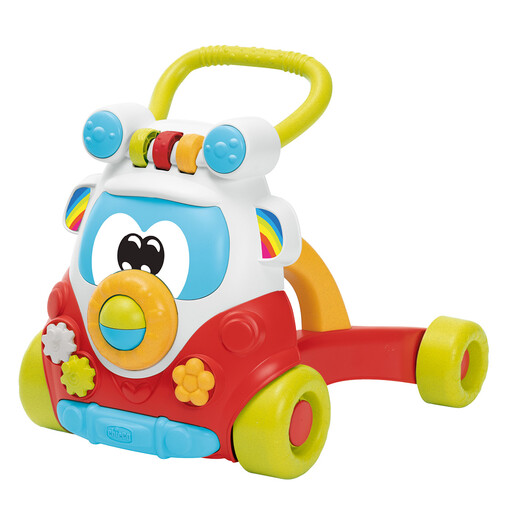
Why This Fits Their Persona: This 2-in-1 baby walker is ideal for toddlers taking their first steps. It not only provides secure support but also integrates an activity centre that promotes fine motor skills when the child takes a break from walking.
Its dual function as a walker and activity centre avoids the "one-trick pony" effect. The toy remains relevant across different developmental stages.
Promotes balance and gross motor skills while walking, as well as fine motor skills through five manual play activities. The wide wheels ensure stability.
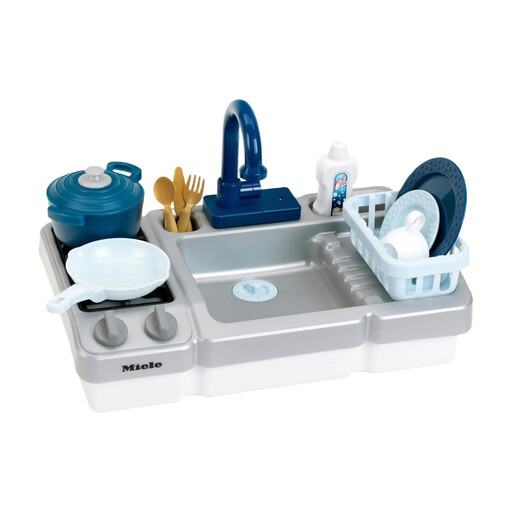
Why This Fits Their Persona: This toy is perfect for children who are starting to imitate adults and everyday situations. The sink, with its real water pump function and accessories, allows for realistic role-playing in a play kitchen.
As a role-playing toy, it offers limitless, imaginative play possibilities instead of a single function. It fosters creativity and thus remains engaging for a long time.
Playfully trains motor skills and social competencies. The water pump function provides an especially authentic play experience.
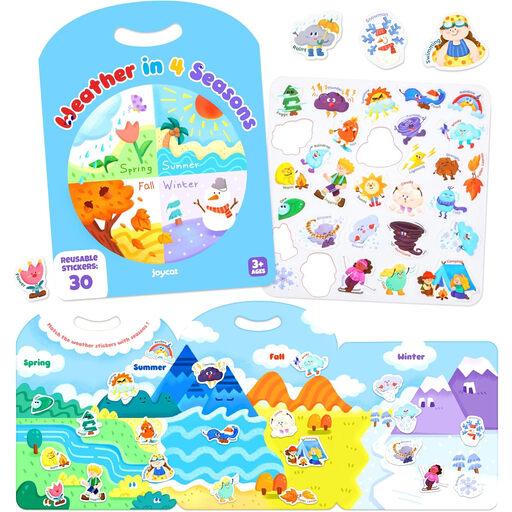
Why This Fits Their Persona: Perfect for families on the go. This sticker book is compact, requires no batteries, and creates no mess. It's an ideal activity for car rides, flights, or at a restaurant.
The reusability of the gel stickers ensures long-lasting fun and high value. It's not a disposable product but a durable companion.
Promotes fine motor skills, concentration, and creativity. The stickers are waterproof, washable, and adhere to smooth surfaces, expanding the play possibilities.
We have compiled a complete, up-to-date list of products that fully meet these strict selection criteria and EU safety regulations.
The CE marking is a self-declaration by the manufacturer that their product complies with all applicable EU directives. For toys, this primarily concerns the EN 71 safety standard. It regulates mechanical and physical properties, flammability, and the migration of certain chemical elements. It is not a test seal from an independent body, but it is a fundamental requirement for selling toys in the EU.
Focus less on the printed age and more on your child's individual developmental stage. Observe which skills they are currently developing. A child who is beginning to grasp objects with purpose will benefit from motor skills toys. A child who is starting to immerse themselves in fantasy worlds will enjoy role-playing toys or creative toys. The product description often provides more detailed information on the skills being promoted than the age recommendation alone.
Role-playing toys typically become interesting around the age of two to three. During this phase, children begin to observe and imitate the actions of adults ("pretend play"). Play kitchens, workbenches, or doctor's kits support this important developmental step by stimulating imagination, training social skills, and helping them understand the adult world.