
Lieferung heute & morgen

Qualitätsgarantie

Willkommens-Angebote freischalten: KOSTENLOSE Lieferung | Bis zu 80 % RABATT | Kostenlose 30-Tage-JoyPlus-Testphase
App herunterladen
Finding the right educational toy can quickly feel overwhelming. The market is flooded with products all promising to boost a child's development. However, not every toy advertised as "educationally valuable" actually delivers on that promise. As a Joybuy Product Recommendation Officer, I see daily which products offer real value and which are just capitalising on short-lived trends. This guide will help you separate the wheat from the chaff and make an informed decision.
Before we dive into the selection criteria, it's important to understand the most common mistakes that lead to disappointment and unnecessary expense.
wooden activity toys can splinter, paints may contain harmful substances, and small parts in toys for babies 0-6 months pose a significant choking hazard.toddler toy should stimulate the imagination and open up new ways to play, rather than passively entertaining the child.To avoid buyer's remorse, you should check three key aspects. These will help you assess a toy's true value, independent of marketing messages.
The manufacturer's age recommendation is a starting point, but your child's individual development is what truly matters.
baby sleep aid with gentle melodies are ideal.Learning toys for ages 1+ such as stacking towers, simple shape sorters, or large building blocks are a perfect fit. Children are beginning to understand cause and effect.Children's role-playing toys like a play shop or kitchen foster social skills and imagination. Creative toys for painting, crafting, or building more complex structures also become engaging.Safety is non-negotiable. Look for objective, verifiable features that signify a safe product.
A good educational toy is often simple in design but versatile in its use. So-called "Open-Ended Play" allows children to use their own creativity instead of following a prescribed pattern. A set of simple wooden blocks can become a castle, a car, or a fantasy creature, growing with the child over the years. Likewise, an outdoor garden toy like a mud kitchen offers countless opportunities for imaginative and sensory play.
Based on the criteria above, we have identified some products that are well-suited for different requirement profiles.
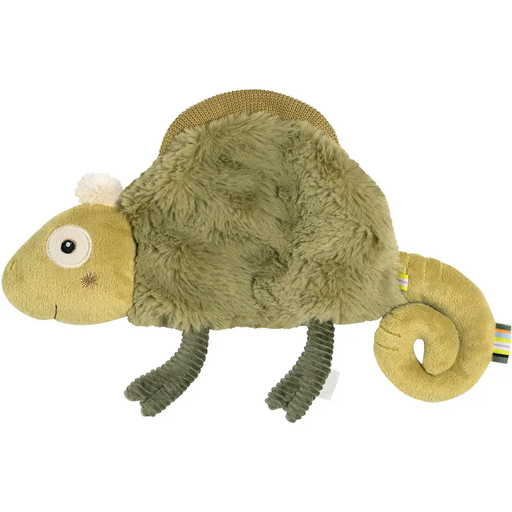
Why This Fits Their Persona: Ideal for parents looking for a safe, multifunctional first toy. It serves as a comforter, teether, and sleep aid, focusing on fundamental sensory development through various fabrics.
It bypasses the trap of the overloaded "learning toy." Instead of flashing lights, it relies on tactile stimuli (corduroy, plush, velour), which is fundamental for a baby's development and prevents sensory overload.
Multifunctional as a toy and sleep aid. The materials are soft and safe for newborns. It's also machine washable at 30°C, which makes hygiene easy.
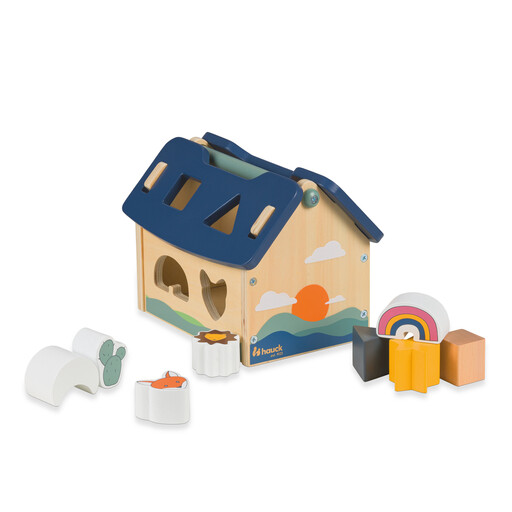
Why This Fits Their Persona: Perfect for parents of toddlers seeking a classic wooden toy to promote fine motor skills, shape, and colour recognition. A durable gift for children that trains concentration and logical thinking.
This toy avoids the short-lived fascination trap. A shape sorter is a timeless classic that repeatedly challenges children. Its construction from FSC-certified wood also addresses the desire for sustainable and safe materials.
Specifically promotes hand-eye coordination and an understanding of shapes. According to the manufacturer, it uses wood from FSC-certified forests. The blocks can also be used separately for building.
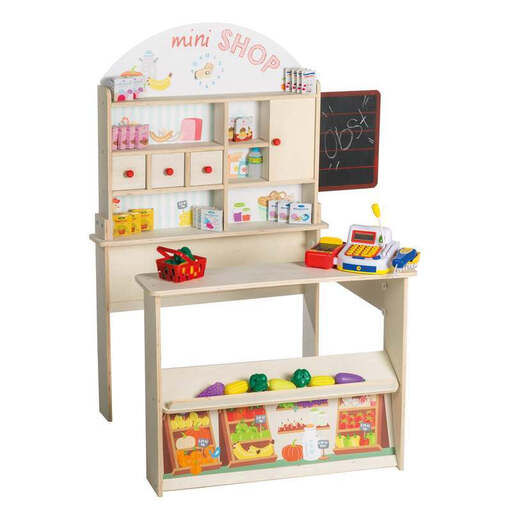
Why This Fits Their Persona: For families looking for a durable toy that encourages social interaction, communication, and imagination. The play shop provides a stage for countless play scenarios, whether alone or with friends and siblings.
This product is the antithesis of a short-lived toy. It offers an open-ended play platform that remains relevant for years, adapting to the child's growing imagination. The sturdy wooden construction also promises excellent durability.
Promotes social skills and creative role-play. With its many shelves, drawers, and a chalkboard, it offers long-lasting play appeal. The surfaces are wipeable and easy to clean, according to the manufacturer.
We have compiled a complete, real-time list of products that fully satisfy these strict selection criteria and UK safety regulations.
Look for a combination of official markings and a careful physical inspection. The CE mark and a reference to the EN 71 standard are key indicators. Additionally, check the toy for sturdy construction, rounded edges, securely attached small parts, and the absence of strong chemical odours. For wooden toys, the surface should be smooth and splinter-free.
The term isn't protected, but it refers to play materials that follow the principles of Maria Montessori. Typically, these are toys made from natural materials like wood, designed to be simple and realistic. They are intended to encourage independent discovery and hands-on learning without the distraction of electronic effects. A Montessori toy promotes concentration on a specific skill, such as sorting by size or practising with fasteners.
Wood is a natural material and should not be submerged in water or treated with harsh cleaners. A slightly damp cloth is usually sufficient for cleaning, with a little mild soap if needed. Afterwards, the toy should be left to air dry completely. Regularly inspect wooden toys for rough spots or splinters, which can be smoothed out with fine-grit sandpaper if necessary.