
Lieferung heute & morgen

Qualitätsgarantie

Willkommens-Angebote freischalten: KOSTENLOSE Lieferung | Bis zu 80 % RABATT | Kostenlose 30-Tage-JoyPlus-Testphase
App herunterladen
Finding the right toy can be a challenge. The market is filled with products advertised as "educational," but not all of them deliver on their promise. As a Joybuy Product Recommendation Officer, I see it as my duty to provide you with objective criteria so you can make an informed decision. This guide highlights common pitfalls and shows you what truly matters when making a selection.
Before we turn to the positive qualities, it's helpful to understand the typical problems that lead to poor purchases.
To avoid these pitfalls, focus on three fundamental parameters. These will help you objectively assess a toy's quality and actual benefit.
The manufacturer's age recommendation is more than just a suggestion; it's a crucial indicator of the motor and cognitive skills the toy targets.
A child's safety is the highest priority. In Germany and the EU, various labels provide information about tested safety.
A toy proves its worth when it remains relevant over a long period and stimulates the imagination.
Based on the criteria mentioned, we have identified some products that are well-suited for different needs and interests.
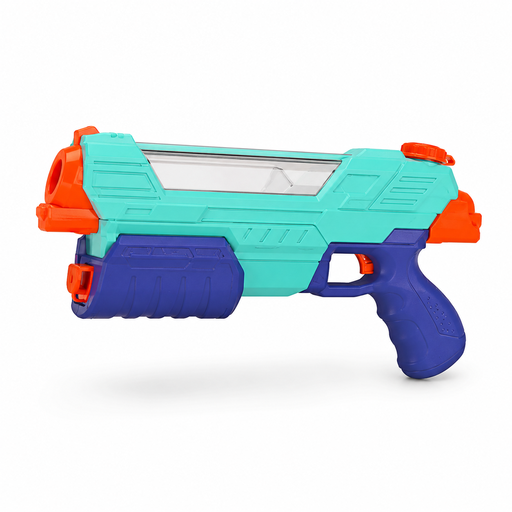
Why it's a match: Ideal for children who love to understand how things work. Taking apart and reassembling the dinosaurs promotes technical understanding and fine motor skills in a very tangible way.
This set avoids the trap of short-lived fascination. Because the dinosaurs can be repeatedly reconfigured and assembled, it offers high replay value and encourages creativity.
Actively promotes STEM skills (problem-solving, basic mechanics) and hand-eye coordination through the use of child-friendly tools.
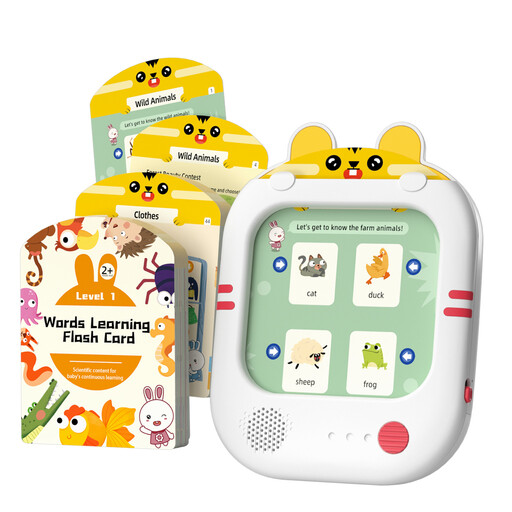
Why it's a match: Perfect for parents who want to provide interactive learning support but consciously avoid screen time. It combines the tactile feel of cards with auditory feedback.
This product avoids the empty "educational toy" promise with concrete and extensive content: over 180 words and logic games provide a substantial and structured learning experience.
Promotes independent learning through direct audio feedback. Children immediately hear the correct pronunciation or answer, making the learning process effective and motivating.
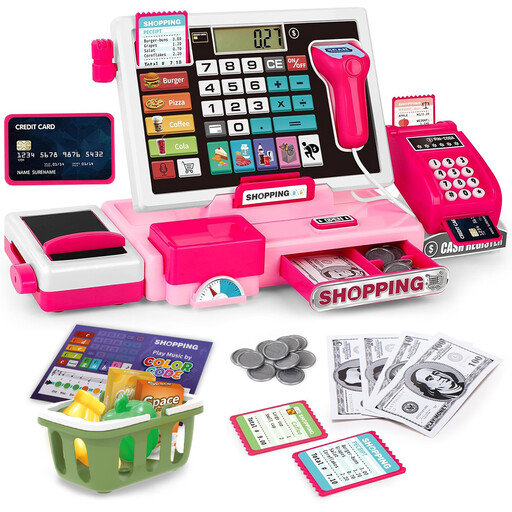
Why it's a match: A role-playing classic that playfully promotes social interaction, communication skills, and an initial understanding of numbers and money. Suitable as a versatile gift for toddlers.
Role-playing toys like this one naturally have high replay value, as children invent new stories and scenarios. The integrated, functioning calculator also adds a concrete learning function to the play.
Combines social learning in role-play with practical mathematical basics. Children practice counting and arithmetic in a context that mirrors everyday life.
We have compiled a complete, up-to-date list of products that fully meet these strict selection criteria and safety standards.
Look for clean workmanship without sharp corners or edges. Smell the product—a strong chemical odour can be a warning sign. For wooden toys, the paint should not peel. Pull on small attached parts like buttons or eyes to check their firmness.
Toys made of pure plastic or silicone can often be cleaned with mild soapy water. Wooden toys should only be wiped with a damp cloth and not submerged in water, as they can swell. For toys with electronics, clean the surface only with a dry or slightly damp cloth, ensuring no moisture gets into the electronics.
Simple STEM concepts can be introduced as early as age three. This includes simple building kits, magnetic toys, or experiments with water. More complex construction toys or basic programming games are generally suitable for preschool and primary school-aged children, when their logical thinking and ability to follow instructions are more developed.