
Lieferung heute & morgen

Qualitätsgarantie

Willkommens-Angebote freischalten: KOSTENLOSE Lieferung | Bis zu 80 % RABATT | Kostenlose 30-Tage-JoyPlus-Testphase
App herunterladen
Educational toys for children should provide meaningful entertainment, encourage experimentation and suit the child’s stage of development. In practice, however, choosing the right product is not always easy: colourful packaging, numerous features and terms such as “Montessori” or “STEM” reveal little about how practical a toy is for everyday use. Checkable details such as the recommended age, piece size, material, stability and ease of cleaning are what really matter.
A toy with lights, music, buttons and moving elements may appear versatile. For a baby or toddler, however, a large selection of functions can be confusing. So check whether the features suit the child’s age and interests. An activity cube with several sides can save space, while a single motor-skills toy may be easier to understand.
“From 3 years” is not a non-binding recommendation. Magnetic building blocks, marbles and small components pose a choking risk for younger children. Even if a child already appears dextrous, the age limit stated on the packaging should be followed. Direct adult supervision does not replace this age limit.
Information such as BPA-free ABS, rounded edges, CE or EN71 can provide useful guidance. Even so, you should check the product information, warnings and condition of the toy. With magnetic toys in particular, it is important that the magnets are securely enclosed. If there are cracks, loose parts or visible magnets, the product should no longer be used.
For babies from around 6 months, choose large, easy-to-grip elements without loose small parts. Baby educational toys with buttons, drum surfaces or shapes can provide early cause-and-effect experiences. For children from 2 years, larger interlocking and building blocks such as LEGO DUPLO may be suitable. Small building blocks and marbles should generally only be given to older children.
Look for specific information such as “6–18 months”, “1–3 years”, “from 2 years” or “from 3 years”. If the information is contradictory, carefully read the warnings in the relevant listing and on the packaging.
ABS plastic is used in many educational toys. Smooth, burr-free surfaces, rounded edges and a design without easily detachable parts are practical features. With wooden toys, check the edges, paintwork and stability.
Cleaning is also relevant for everyday use. Many building blocks can be wiped with a soft, slightly damp cloth. Electronic or battery-powered musical instruments must not be submerged in water. Batteries are not included with some products and need to be planned for separately.
A motor-skills toy should suit the space available. A compact cube is suitable for small children’s bedrooms or travelling. A marble run, on the other hand, requires a stable surface and enough room. Magnetic building blocks and construction toys offer open-ended play opportunities, but need organised storage so that no pieces go missing.
Terms such as Montessori toy, educational toy or STEM toy often describe the play concept, but they are not a substitute for technical product data. Always check which specific shapes, wheels, buttons, components or instructions are included.
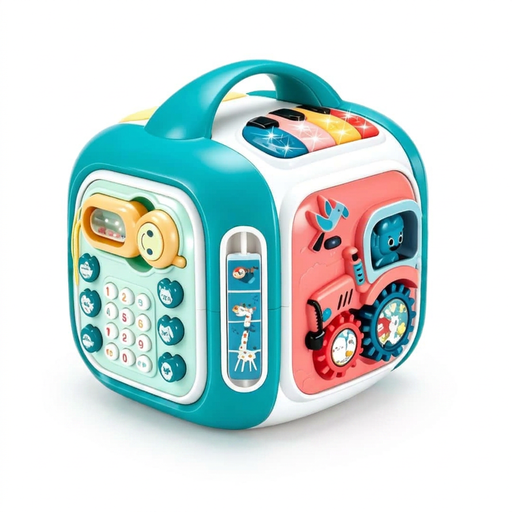
Why this product suits this profile: This compact cube combines eight play sides featuring, among other things, a piano, guitar, telephone, cogs and a windmill. This means one product can provide several types of activity, while its dimensions of 23 × 23 × 24 cm make it relatively easy to store.
The 1–3 years age recommendation and product description mention ABS, BPA-free material, rounded edges and no loose parts. Before buying, these details should be checked against the labelling on the product.
Several grasping, turning and pressing elements in a portable format; according to the supplier, with CE and EN71 information.

Why this product suits this profile: The 22 large building blocks are designed for children from 2 years and allow several vehicle variations to be built. The set combines building and role play without using small standard-sized bricks.
The large elements are easier to grip than small building blocks. However, the listing does mention small parts, so the age recommendation and warnings should be observed before play.
22 pieces, several construction options and moving vehicle functions; suitable for building together.
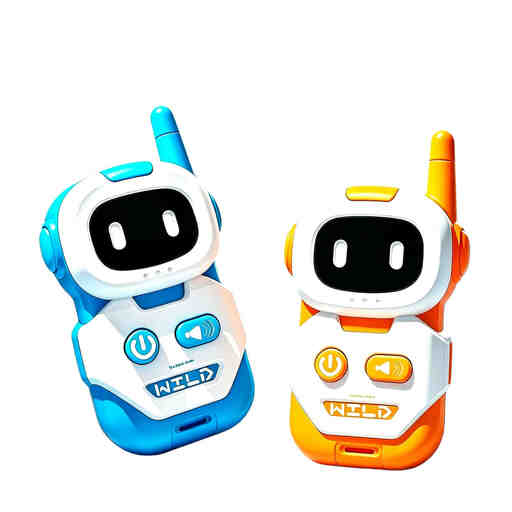
Why this product suits this profile: This drum toy combines drum surfaces, lights, animal sounds, and shape and colour buttons. According to the listing, it is intended for 6–36 months; the product title states 6–18 months, making the specific packaging information particularly important.
The four play areas are clearly described. Volume, batteries and age recommendations should be checked before buying; according to the listing, batteries are not included.
Four combined ways to play, a non-slip base and rounded ABS surfaces according to the product description.
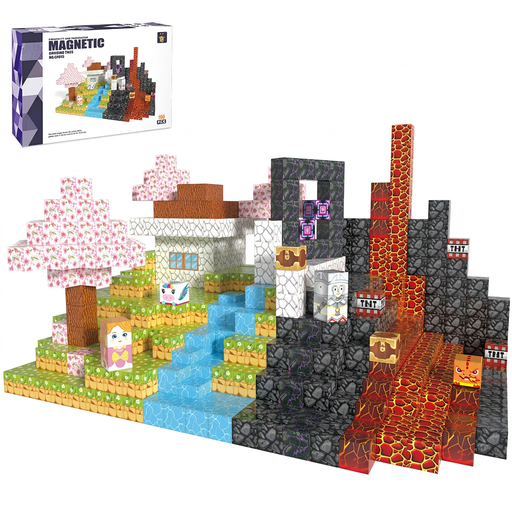
Why this product suits this profile: The set contains 100 magnetic components in geometric shapes, a storage bag and stated compatibility with other 2.5-cm magnetic tiles. It is designed for open-ended building ideas from 3 years.
The product page states that the magnets are securely enclosed and explicitly highlights the risk if swallowed. All tiles should be checked regularly for cracks and exposed magnets.
100 pieces, basic geometric shapes, a storage bag and, according to the supplier, CPC and ASTM information.
For children from 3 years, a 51-piece wooden stacking game, magnetic building blocks or a small marble run with a storage case may be interesting. Children from around 4 to 6 years often benefit from more complex construction tasks, provided they can handle the small parts safely. Children’s musical instruments, such as a drum kit with microphone, should also have adjustable volume and a stable base.
If you are specifically looking for play ideas that develop fine motor skills, you can find more options in the Fine Motor Skills from 2 Years category.
We have put together a complete, regularly updated list of products that fully meet these strict selection criteria and the safety regulations applicable in the EU.
Educational toys are available from around 6 months, but at this age they should consist of large, sturdy and easy-to-grip elements. From 1 to 2 years, simple activity cubes, large interlocking pieces and first LEGO DUPLO sets are suitable. Small components, marbles and powerful magnets are not suitable for children under 3 years.
Lifespan depends on the material, workmanship, use and storage. Building blocks made from robust ABS can be used for a long time if handled carefully. Electronic toys also require working batteries and should be protected from moisture. Regularly check edges, fastenings, cables, battery compartments and magnetic surfaces.
Simple wooden or construction toys usually have no ongoing costs. Electronic baby educational toys and musical instruments often require batteries, so check whether these are included in the delivery. A suitable storage box or bag can also help keep all the pieces together and ready for use.