
Lieferung heute & morgen

Qualitätsgarantie

Willkommens-Angebote freischalten: KOSTENLOSE Lieferung | Bis zu 80 % RABATT | Kostenlose 30-Tage-JoyPlus-Testphase
App herunterladen
Educational toys for children should do more than entertain. They should encourage independent discovery, building and experimentation. For parents, grandparents and other family members, however, the options can be difficult to navigate: age recommendations, piece counts, material specifications and supposed educational benefits are not always easy to assess at a glance.
The following criteria help you evaluate marketing claims objectively and choose suitable toys for babies, toddlers and children up to around seven years old.
A set with 120 pieces may sound substantial, but it is not automatically more versatile than a smaller set. What matters is the range of shapes, connection options and specific play ideas. When buying magnetic building blocks for children, you should also check whether the pieces are compatible with construction toys you already own.
“From age 3” is not merely a casual guideline. Small parts and magnets can pose a significant risk to younger children. Even if a child already handles toys confidently, warning notices and the recommended age limit should always be followed.
For babies, larger elements that are easy to grasp are more suitable. Baby sensory toys should not contain easily detachable small parts and should be checked regularly for damage during use.
A toy with buttons, sounds and lights can be engaging. However, its functions should trigger a meaningful action, such as pressing, sorting, combining or moving. With electronic musical instrument toys, battery consumption, volume and the ability to switch functions off are also important practical buying considerations.
Pay attention to the manufacturer’s age recommendation, the size of individual elements and the number of pieces included. Products containing small parts or strong magnets are not suitable for children under three. For toys intended for children aged three and up, clear warnings, an understandable product description and safe storage are especially important.
From around age six, more complex sets such as a LEGO building set with numerous individual pieces can be a good choice. Younger children generally find large blocks, simple connecting systems and sturdy vehicles easier to handle.
ABS plastic is used in many construction and role-play toys. The key considerations are smooth edges, sturdy construction and securely enclosed magnets. Claims such as BPA-free, non-toxic or tested for harmful substances should be verifiable directly in the product information. General statements such as “especially safe” are of limited value without a specific explanation.
With magnetic toys, damaged pieces, cracks or exposed magnets are grounds for discontinuing use. Swallowed magnets can cause serious injuries. Regular visual inspections are therefore an essential part of safe use.
Creative construction toys offer greater practical value when children can experiment with several building variations. Check whether the set includes instructions, a storage bag or a sorting box. Many plastic products can be cleaned with a dry or slightly damp cloth; electronic components and magnetic building blocks should not be placed in water.
STEM toys do not necessarily have to be electronic. Magnetic shapes, marble runs and simple construction sets can also encourage spatial reasoning, an understanding of cause and effect and purposeful building. Montessori toys are often associated with independent learning, but what ultimately matters is whether the specific design enables children to experiment on their own.
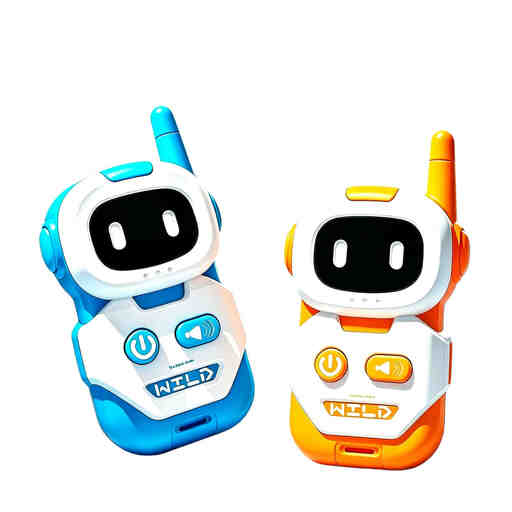
Why it’s a good fit: According to the product information, this multifunctional play centre is designed for babies and toddlers and requires no assembly.
The product description specifies an age range of 6 to 36 months, BPA-free ABS and rounded edges. Batteries are not included and should be checked separately.
Drum surfaces, light signals and shape and colour sorting in one product; five geometric shapes according to the supplier’s information.
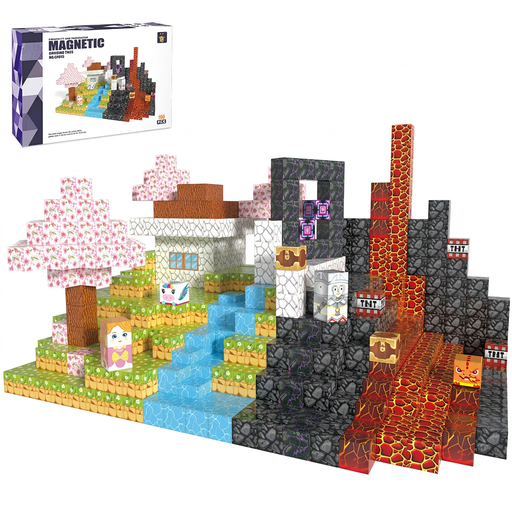
Why it’s a good fit: With 100 pieces and a stated edge length of 2.5 cm, the set supports a range of building designs for children aged three and up.
The warning about small parts and magnets that can be swallowed is clearly stated. Damaged pieces should be removed from the set.
ABS plastic, storage bag, no batteries required and, according to the product information, compatibility with other 2.5 cm magnetic sets.
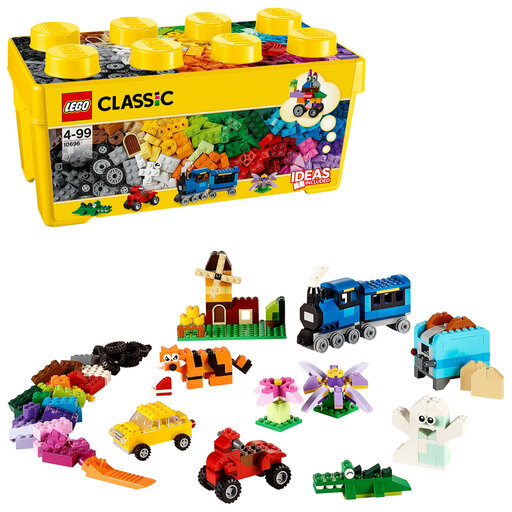
Why it’s a good fit: The set provides classic building bricks for open-ended creations and makes a versatile gift for boys and girls.
The piece count and age recommendation of four and up are clearly stated. The box also doubles as a storage solution.
484 elements, 35 colours, wheels, windows, eyes and a storage box according to the product description; no batteries required.
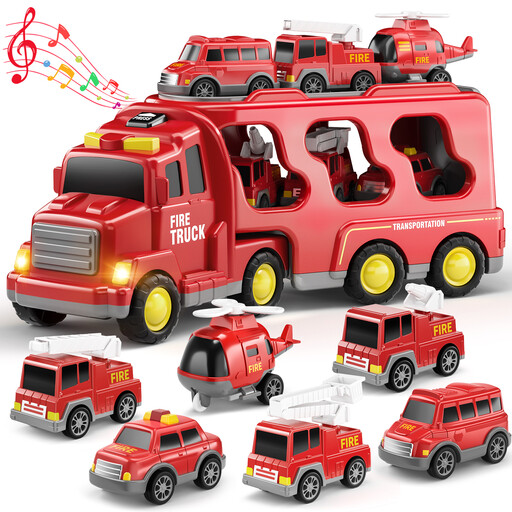
Why it’s a good fit: The set combines vehicle play, sorting and role play for children aged three and up.
The age recommendation of three and up and the included vehicles are clearly specified. Batteries and sound volume should be checked before purchase.
Transporter with five small vehicles, reversing or rolling function, plus light and sound effects according to the supplier’s information.
We have put together a current selection of products that take these criteria and the applicable safety requirements for children’s toys into account.
Depending on a child’s interests and stage of development, other categories may also be worth considering:
For babies aged six months and up, consider large, sturdy products that are easy to grasp, such as a simple musical sorting toy. It should not contain any loose small parts. The manufacturer’s age recommendation and direct supervision remain essential.
Lifespan depends on the materials, construction and frequency of use. Plastic building blocks can remain in use for many years when stored properly. Electronic toys are more dependent on batteries, switches and speakers. With magnetic building blocks, parents should regularly check that the casing, edges and magnetic connections remain intact.
A higher price does not guarantee greater play value. Compare material specifications, piece count, age suitability, storage options and possible building variations. A smaller set with a clear purpose may be a better fit for a child than a more extensive product that quickly loses its appeal.