
Lieferung heute & morgen

Qualitätsgarantie

Willkommens-Angebote freischalten: KOSTENLOSE Lieferung | Bis zu 80 % RABATT | Kostenlose 30-Tage-JoyPlus-Testphase
App herunterladen
Educational toys for children should do more than keep them occupied: they should suit their age, stage of development and everyday routine. In practice, unclear age recommendations, missing accessories or a product that needs too much adult supervision can quickly lead to a disappointing purchase. Before buying, parents, grandparents and educational settings should check what the child can actually do with the toy, whether the materials are safe and whether the product is likely to be used regularly.
Terms such as Montessori toy, STEM toy or ‘supports development’ don’t automatically explain how a toy is used. What matters is whether the child can sort, build, observe, experiment or create independently. A toy with lots of features can feel overwhelming, while a clearly structured activity may hold a child’s interest for longer.
‘From 3 years’ or ‘from 6 years’ is more than a marketing claim. Small parts, batteries, magnets, sharp edges or the ability to read can all affect how suitable a toy is in practice. Many products require particular care when used by children under three, as small parts can pose a choking risk.
Experiment kits for children are often not designed for unsupervised play. The KOSMOS Gummy Candy Lab, for example, uses hot water. A microscope also needs batteries and accessories. Before buying, consider whether an adult will have time to help with setting up, instructions, cleaning and storage.
Start by choosing a toy that suits the child’s age:
The age recommendation alone won’t tell you whether a game suits the child’s personality. A quieter child may enjoy a logic game, while a more active child might get more out of a building or experiment activity.
Check the materials listed and read the warnings. Wooden toys should have no visible splinters or loose parts. For plastic products, claims such as BPA-free can be useful, but they’re no substitute for checking the product information. The age recommendation is particularly important for products with small parts.
If you’re buying a present, check how the toy can be stored, too. Small components can easily get lost without a box or bag. A compact travel game may therefore be more practical for everyday use than a large set with accessories that are difficult to keep organised.
Check the following before you buy:
For activities involving water, heat or chemical mixtures, read the instructions, follow the warnings and supervise the activity. Educational product descriptions should not be taken as evidence of medical or therapeutic benefits.
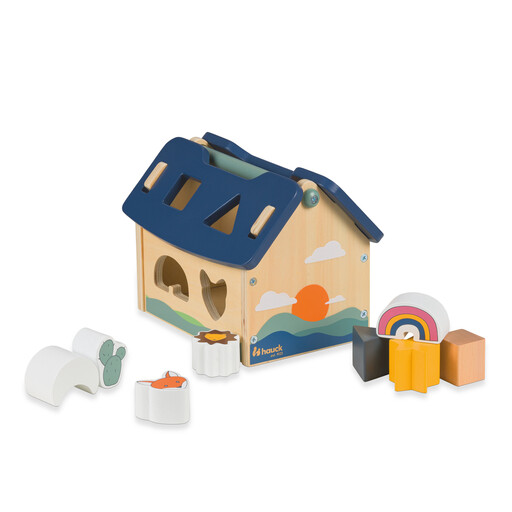
Why it suits this profile: This shape-sorting house is designed for children aged 12 months and over, and needs neither batteries nor extra materials. Shapes, colours and eight blocks are at the heart of the play.
The activity is easy to understand and doesn’t require complicated assembly. Before buying, check the warning about small parts and the suitability recommendation from 12 months.
FSC-certified wood according to the product description, a removable roof and a carry handle for storage and transport.
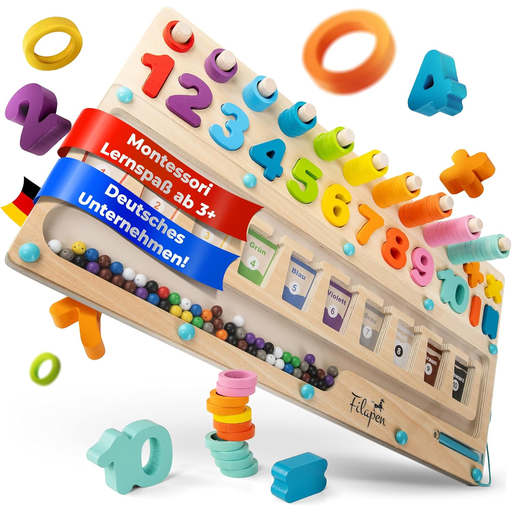
Why it suits this profile: This wooden board combines a magnetic maze with colour matching and numbers from 1 to 10. It’s designed for children aged 3 and over and can be used for simple counting activities, too.
The product description lists the material, dimensions of 23,0 × 43,5 × 4,0 cm and specific ways to play. The warning about small parts and the need for supervision still apply.
Several matching activities in one wooden toy; no batteries needed.
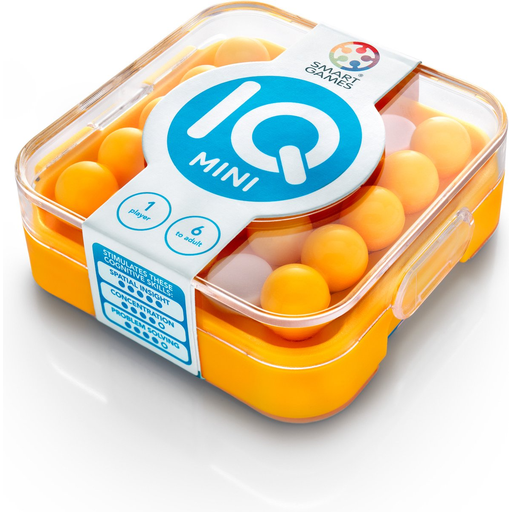
Why it suits this profile: This compact logic game for children aged 6 and over is ideal for travel, short breaks and solo play.
The game needs no batteries and takes up little space. According to the product information, it’s supplied in a random colour, so you can’t choose the colour.
Adjustable blockers, a compact design and extra challenges, clues and solutions available via QR code, according to the product description.
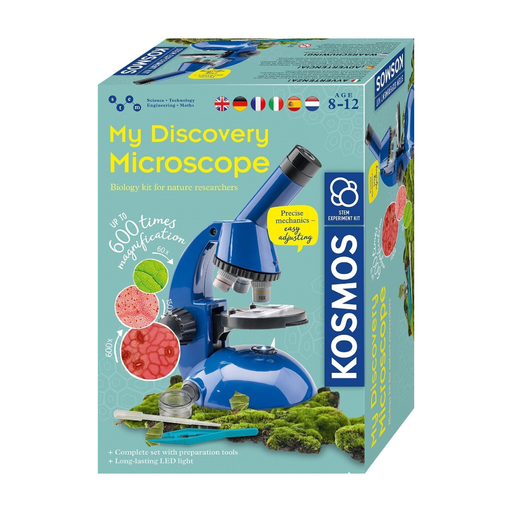
Why it suits this profile: Designed for children aged 8 and over, this set combines observation with accessories for preparing their own slides.
The product information lists the accessories, battery type and safety details. Batteries aren’t included, and some parts may have functional points or edges.
Up to 600× magnification according to the product information, LED lighting and included slide-preparation tools.
We’ve put together a complete, regularly updated list of products that meet these strict selection criteria and the safety regulations in force in the EU.
From age 3, simple sorting and construction games, creative sets for children and Montessori-inspired toys that develop motor skills are all worth considering. Look for large, easy-to-grip parts, a clear play idea and an explicitly stated age recommendation. Make sure small parts can’t be put in the mouth, and supervise younger children while they play.
How long a toy remains engaging depends less on its price than on the different ways it can be played with. A game with several difficulty levels, changing challenges or open-ended building can be used for longer. Extra challenges are useful for logic games, while creative sets can be enjoyed repeatedly with new materials or children’s own ideas.
It depends on the set. Before buying, check how much space you’ll need, along with any consumables, batteries and cleaning requirements. Adult supervision should be factored in for chemistry, confectionery or microscope sets. For shorter periods of independent play, compact logic games or family board games are usually easier to manage.