
Lieferung heute & morgen

Qualitätsgarantie

Willkommens-Angebote freischalten: KOSTENLOSE Lieferung | Bis zu 80 % RABATT | Kostenlose 30-Tage-JoyPlus-Testphase
App herunterladen
Educational toys for children should do more than entertain. They should give children suitable opportunities to grasp, sort, move, make music or tell stories. The choice ranges from baby toys for the first few months of life to more challenging games for primary-school children. However, this variety can make buying difficult: product descriptions often use terms such as “educational”, “Montessori” or “sensory” without clearly explaining what children actually do with the toy.
Before buying, it is therefore worth looking out for three common pitfalls:
The age recommendation on the packaging is an important starting point. For babies from around 6 months, easily accessible elements, simple cause-and-effect responses and stable bases are good choices. A moving sensory toy, such as a rolling penguin, can encourage eye contact, grasping or crawling. The child should only use the toy on a safe, clear surface.
For toddlers from 12 months, sorting and stacking activities are appealing. A motor skills toy with differently shaped pieces, for example, helps children match shapes and colours. From the age of 3, role-play toys, simple board games for children and themed vehicle sets can be introduced. For children aged 5 and over, rules, stories and multiple stages of play can take on a greater role. From around the age of 9, more demanding dexterity games may also be suitable.
Pay attention to the main materials listed, rounded edges and a sturdy construction. For wooden toys, clear material information such as FSC-certified wood may be relevant. For plastic products, details such as ABS, BPA-free materials or a smooth surface are useful, but they do not replace checking all the product and safety information.
The CE marking indicates that the manufacturer has taken the relevant EU requirements into account. However, it is not a quality mark for educational value. You should also pay attention to the specific warning: if a toy contains small parts, it must not be given to children for whom the manufacturer has not deemed it suitable. Damaged parts, loose wheels or flaking surfaces are a reason to discard the toy, regardless of the original age recommendation.
Cleaning is important for educational toys that are used frequently. Many products can only be wiped with a dry or slightly damp cloth. Water, harsh cleaners or abrasive products can damage surfaces and electronic components.
Electronic baby toys and musical instruments for children also require batteries or USB charging. Check whether batteries are included, how the volume can be adjusted and whether an adult needs to handle charging. For products with a lithium-ion battery, the charging instructions should be read particularly carefully. A compact toy that is easy to put away will generally be used more regularly in family life than a large set with no dedicated storage solution.
The following products cover different age groups and play situations. The information is based on the respective product details and does not replace checking the instructions on the packaging and product page.
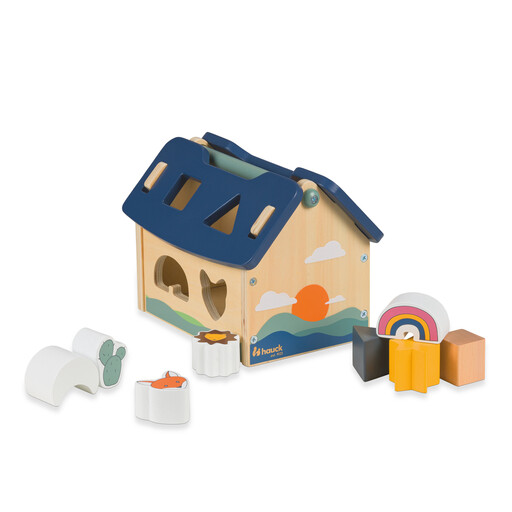
Why this product suits this profile: The shape-sorting house is designed for toddlers from 12 months and combines manageable activities with compact storage. It is ideal for families looking for a hands-on educational toy that does not require batteries.
The play concept is based not just on colours or sounds, but on a clear matching activity. The roof can be removed so that the pieces can be taken out and sorted again.
FSC-certified wood according to the product description, eight building blocks, a carry handle and no batteries required. Suitable from 12 months.
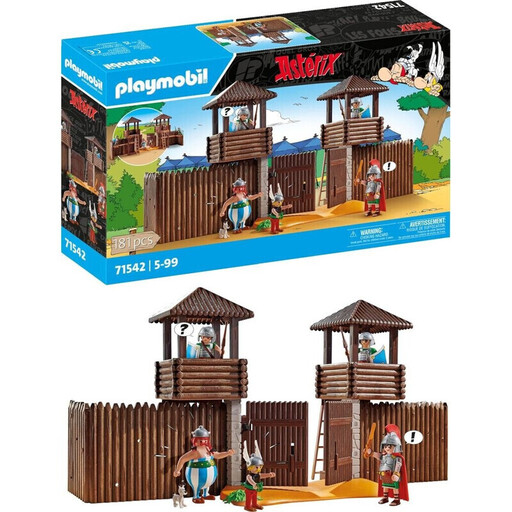
Why this product suits this profile: This set is designed for children aged 5 and over who want to use figures, accessories and a themed play environment to create their own stories.
The product details clearly state the recommended age, number of pieces and dimensions. This makes it possible to check in advance whether 181 individual pieces and a play area measuring 59.5 × 22 × 29.5 cm will suit your home.
Five figures, one animal and 175 accessories; hands-on play without batteries. Small parts mean that the safety instructions must be followed.
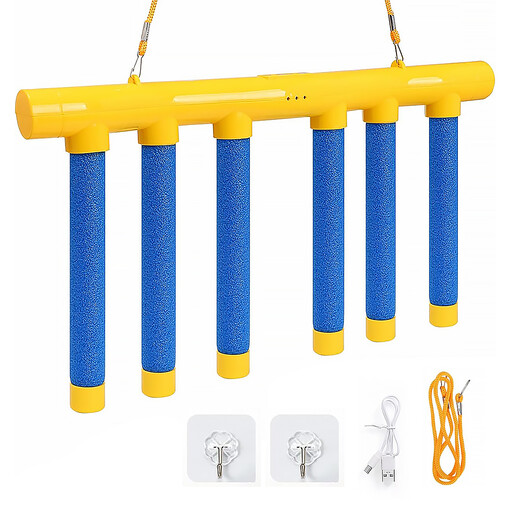
Why this product suits this profile: This interactive catching game is designed for children aged 3 and over, as well as family play sessions. Three adjustable falling speeds offer different levels of play.
The game mechanics are clearly described and do not depend on an app. Adults should handle assembly and USB charging, while small parts should remain supervised during play.
Dimensions of approximately 38.5 × 21.5 cm, three speeds and a rechargeable battery according to the product information. For indoor use and supervised shared play.
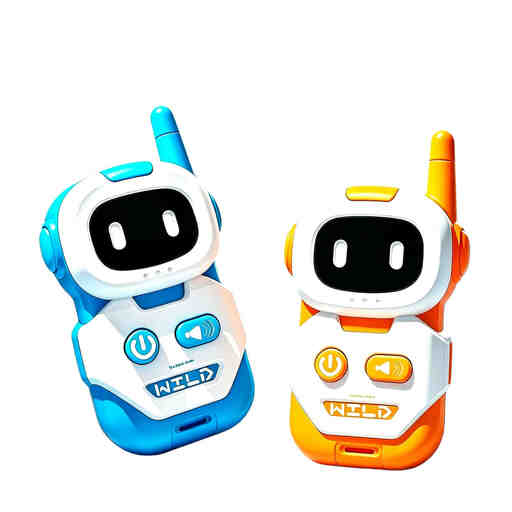
Why this product suits this profile: This multifunctional baby toy combines drum surfaces, lights, animal sounds, and shape and colour matching for children in the specified age range.
The product description specifies the material, recommended age and several different play areas. Before buying, check whether the volume and required batteries are suitable for the intended use.
ABS plastic, BPA-free material according to the product information, rounded edges and four combined play areas. Batteries are not included.
We have put together a complete, regularly updated list of products that fully meet these strict selection criteria and the safety regulations applicable in the EU.
Educational toys for children offer a clear play activity in which children take an active role. This includes sorting, building, grasping, making music, moving, role play and completing age-appropriate tasks. A toy does not need to have lots of functions to be worthwhile. What matters is that the activity matches the child’s developmental stage and can be repeated.
The lifespan depends on the materials, manufacturing quality, intensity of use and care. Regularly check wheels, joints, battery compartments, cords and small parts. Wooden toys should be stored in a dry place, while electronic products must not be cleaned with water. As soon as a part breaks, develops a sharp edge or comes loose, the toy should no longer be used.
For babies, sound, grasping and sorting elements that are easy to reach are suitable. For toddlers, consider motor skills toys, simple musical instruments for children or an activity table. From the age of 3, vehicles, role-play toys and first board games for children are good options. Older children may enjoy more complex dexterity or strategy games. Age, interests, available space and the safety information remain the key considerations.