
Lieferung heute & morgen

Qualitätsgarantie

Willkommens-Angebote freischalten: KOSTENLOSE Lieferung | Bis zu 80 % RABATT | Kostenlose 30-Tage-JoyPlus-Testphase
App herunterladen
Educational toys should do more than simply keep children occupied: they should provide age-appropriate learning opportunities. However, choosing the right product is not always easy for parents, grandparents and other family members. Many products promote terms such as “Montessori”, “STEM” or “early learning” without clearly explaining which features they actually offer.
Three common buying misconceptions can make the choice more difficult:
A toy should match the child’s current abilities. For babies, simple toys that encourage grasping, pressing and listening are suitable. For example, a musical baby toy with large buttons can provide early cause-and-effect experiences. From around one year old, children may enjoy sorting and slotting activities, while construction toys and magnetic building blocks for children are generally suitable from the age of 3.
It is important to follow the specific manufacturer’s guidance. A product may be described as suitable for “6 to 36 months”, but individual play modes or removable shapes may still require appropriate supervision. With toys for toddlers, you should also check whether the child could put any parts in their mouth.
With magnetic building blocks for ages 3+, two points are crucial: the size of the individual pieces and the way the magnetic capsules are made. Strong magnets must not be accessible. If several magnets are swallowed, they can cause serious injuries. Therefore:
The CE mark indicates that the supplier intends to comply with the relevant EU requirements. However, it is not an independent quality seal. For information relating to EN71, REACH, CPC or ASTM, it should be clear which product and manufacturer the information applies to.
For plastic toys, ABS, smooth surfaces and rounded edges are useful points to check. Wooden toys should be free from splinters and have a durable surface treatment. For motor-skills toys used frequently, the following also matter:
A building set for children with a storage bag or sorting box helps to prevent pieces from getting lost. Before buying electronic baby learning toys, check whether batteries are included and whether volume control is available.
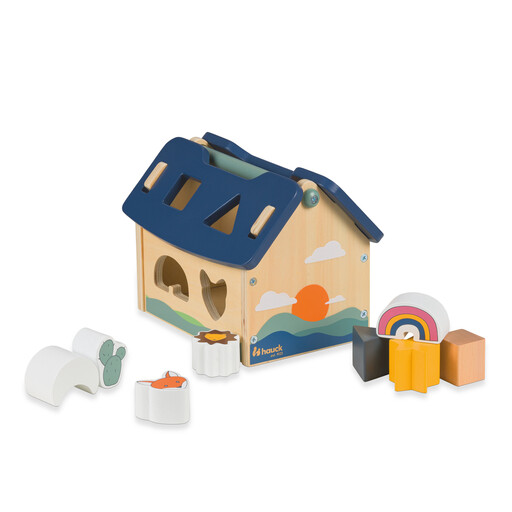
Why this product suits this profile: This shape-sorting house is designed for toddlers aged 12 months and over and requires no batteries. It is suitable for families looking for a straightforward motor-skills toy for everyday use.
The task is immediately clear: shapes and colours are placed into the matching openings. This avoids unnecessary extra features and makes it easier to use together.
FSC-certified wood according to the product description, eight building blocks, a removable roof and integrated storage.
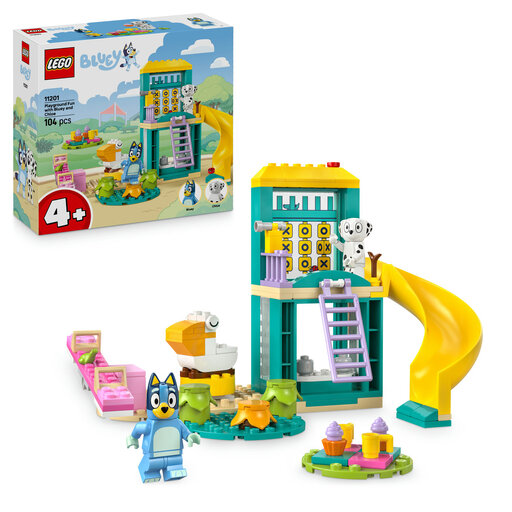
Why this product suits this profile: This set is designed for children aged 4 and over and combines building with role play. It is a good fit for families who prefer structured instructions and a familiar themed world.
The age recommendation, number of pieces and model dimensions are clearly stated. Small parts remain a reason for the specified age limit.
104 building blocks, two play figures, illustrated instructions and a finished model with stated dimensions.
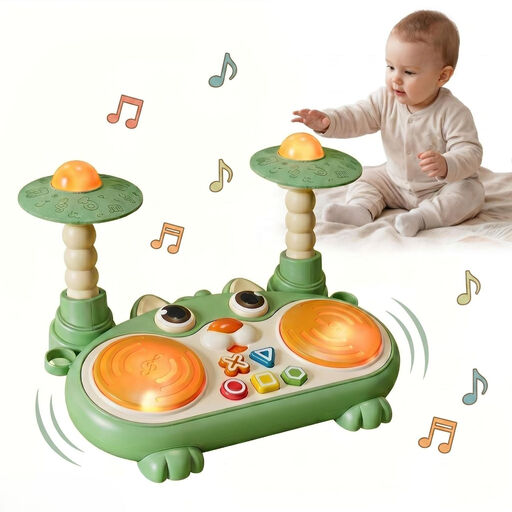
Why this product suits this profile: According to the product details, this multifunctional baby learning toy is designed for ages 6 to 36 months and offers drum surfaces, shape and colour sorting, as well as animal sounds.
The functions are visibly separated, and the product description specifies ABS, BPA-free material and rounded edges. Batteries are not included and must be purchased separately.
Several play modes in one device and a non-slip base, according to the supplier’s information.
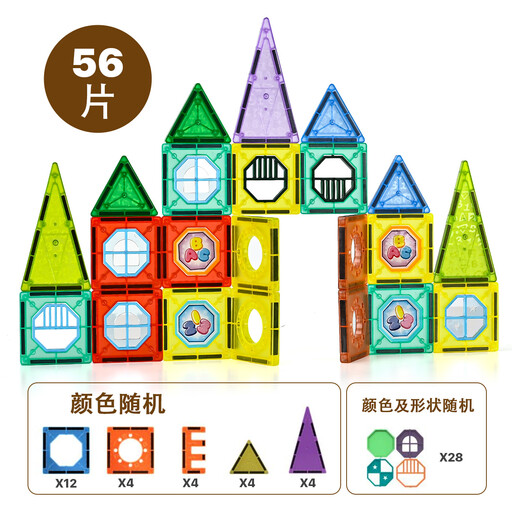
Why this product suits this profile: This 56-piece set is designed for children aged 3 and over and is ideal for open-ended building ideas such as animals, vehicles and buildings.
The age limit and warning about small, strong magnets are clearly stated. The pieces should be checked regularly for damaged casings.
56 transparent building pieces, enclosed magnets according to the description, and compatibility with common magnetic building-block systems.
We have put together a complete, regularly updated list of products that fully meet these strict selection criteria and the safety regulations applicable in the EU.
For babies, large, easy-to-grasp elements without loose small parts are a sensible choice. Musical baby toys can support pressing, grasping and simple cause-and-effect experiences. Before buying, check the age recommendation, battery compartment, volume and cleaning instructions.
How long a toy can be used depends on its materials, the child’s interest in play and their developmental stage. A shape-sorting house may initially be used to slot in shapes and later to name colours. With electronic products, battery availability, speaker function and the option to switch off individual play modes all affect how practical they are for everyday use.
Magnetic building blocks are suitable only within the stated age group and when the safety warnings are followed. Products containing small parts or strong magnets are not intended for children under 3. Damaged building pieces must be removed from play immediately. If a magnet may have been swallowed, seek medical attention without delay.