
Lieferung heute & morgen

Qualitätsgarantie

Willkommens-Angebote freischalten: KOSTENLOSE Lieferung | Bis zu 80 % RABATT | Kostenlose 30-Tage-JoyPlus-Testphase
App herunterladen
Games and educational toys should be fun, suit your child’s stage of development and fit into family life. The choice ranges from jigsaw puzzles for children aged 3 and over and magnetic building tiles to board games for children and strategy games for older children. However, the sheer range of products can make it easy to choose the wrong one.
“Age 3+” or “Age 6+” is more than just a marketing label. It can indicate the complexity of the game, the size of its pieces and potential safety risks. A game with small figures or magnets may not be suitable for younger children, even if it looks simple at first glance.
A jigsaw with a high piece count or a large collection of games can be appealing, but it also needs enough space, time and attention. For beginners, more manageable activities are often a better fit. When choosing jigsaws for children, consider the picture, piece size, frame and difficulty level together.
Terms such as “educational game”, “STEM” or “brain training” don’t automatically mean that learning outcomes have been proven. Specific product features are more useful to consider: What activities does the game include? Can your child play alone or with others? Are there rules, hints or different difficulty levels? These details can help you make a more informed choice about educational toys.
First, check the recommended age group and the manufacturer’s warnings. Small pieces may present a choking hazard. With magnetic building tiles, also check the magnet warning: damaged pieces should not be used. The age recommendation does not replace adult supervision, especially for children under six.
Different types of games focus on different activities:
The right type of game depends on whether your child prefers to play independently, compete with siblings or play together as a family.
Store cardboard jigsaws in a dry place to help prevent the pieces from warping. For games with lots of small pieces, a storage bag or sturdy box makes it easier to check that everything is there. With magnetic building tiles, rounded edges, enclosed magnets and regular checks for cracks or loose pieces are important considerations. Compact travel games are often more practical than large board games in smaller homes or when you’re out and about.
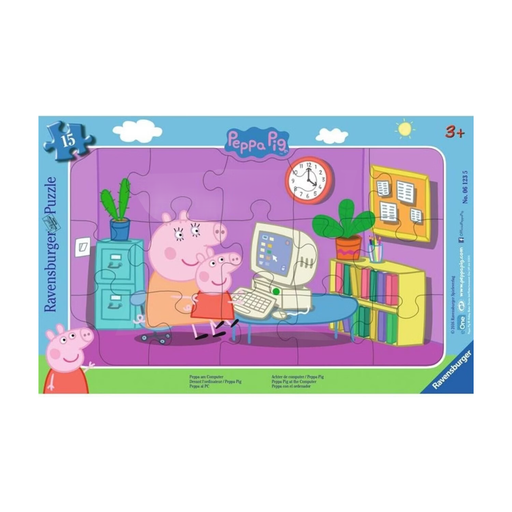
Why this product suits this profile: According to the product details, this 15-piece frame puzzle is suitable for children aged 3 and over, offering a manageable introduction to jigsaws.
The outlines in the frame and the picture offer helpful guidance, without requiring a large number of pieces.
15 pieces, frame format, extra-thick material according to the product description, and no batteries required.
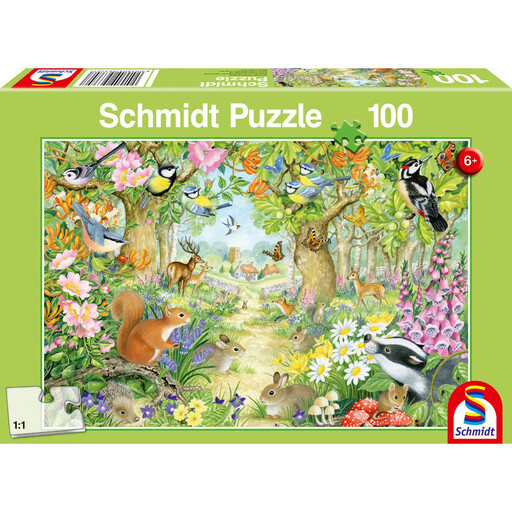
Why this product suits this profile: This 100-piece jigsaw is suitable for children aged 6 and over who are looking for a detailed picture and a more challenging activity.
The piece count and recommended age are clearly stated, while a jigsaw poster helps children get started.
100 precision-cut pieces, a matt linen-textured finish and a nature-themed picture.
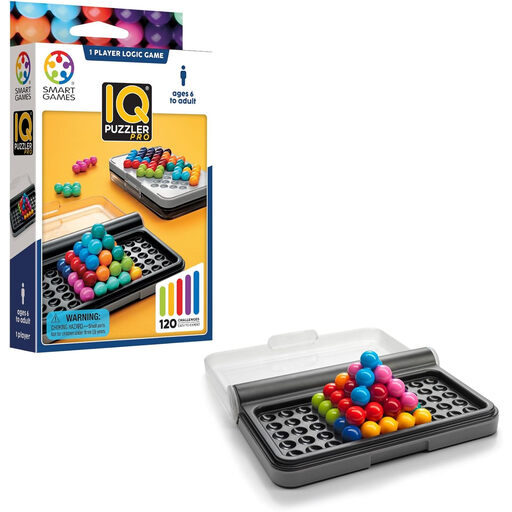
Why this product suits this profile: This compact solo game is suitable for children aged 6 and over and can be played at home or on the go.
You don’t need other players to use it, and its compact design takes up less space when you’re out and about.
120 challenges across three game modes, including 2D and 3D puzzles; 13 pieces and no batteries required.

Why this product suits this profile: Suitable for children aged 6 and over, this board game is designed for 2 to 4 players. It combines simple rules with collecting, trading and building.
The player count and age recommendation are clearly stated. An adult can help with the initial set-up and explain the rules.
For 2–4 players, simple Junior rules, cardboard and plastic game components, and no batteries required.
We’ve put together a complete, regularly updated list of products that meet these strict selection criteria and the safety regulations in force across the EU.
For a birthday or special occasion, choose a gift that suits your child’s age and everyday life:
Before you buy, it’s worth checking the player count, playing time, storage requirements and the language of the instructions. That way, the game will stay interesting beyond the unwrapping and fit in with how your family actually likes to play.
Look for products with a clear age recommendation, a small number of large pieces and a simple idea. Frame puzzles with outlines make it easier to get started. Take extra care with small pieces, magnets or complex rules.
Their lifespan depends on the materials, how they’re stored and how they’re handled. Keeping cardboard pieces somewhere dry helps prevent them from warping. For games with lots of components, check regularly for missing or damaged pieces. A sturdy box or bag can make it easier to keep everything organised.
Most traditional educational games, jigsaws and board games don’t need electricity or batteries, so they generally have no ongoing running costs. The main considerations are the purchase price, whether all the accessories are included and whether the game can be enjoyed by several children.