
Lieferung heute & morgen

Qualitätsgarantie

Willkommens-Angebote freischalten: KOSTENLOSE Lieferung | Bis zu 80 % RABATT | Kostenlose 30-Tage-JoyPlus-Testphase
App herunterladen
The selection of educational toys is vast, and nearly every product promises to support a child's development in multiple ways. In reality, however, many of these supposed wonder toys turn out to be short-lived dust collectors. As a Joybuy Product Recommendation Officer, I'm here to help you separate the wheat from the chaff. This guide will show you what to look for to avoid poor purchases and find toys that truly add value.
Before we dive into quality features, it's important to recognise the typical marketing traps that often lead to disappointment.
To make an informed decision, you should focus on three objective criteria that determine long-term play value and safety.
Your child's health is the top priority. Therefore, pay meticulous attention to the materials used and their certifications.
A good educationally valuable toy is tailored to the child's developmental stage.
A high-quality toy is one that can be rediscovered again and again. Instead of serving just one purpose, it should offer various play possibilities and stimulate the imagination. A set of simple wooden blocks, for example, offers infinitely more creative potential than an electronic toy with only one predefined function.
Based on the criteria above, we have selected a few products suitable for different needs and budgets.

Why it's a good fit: Ideal for parents seeking an affordable yet stimulating baby toy. It combines fun on land and in the water and comes from an established brand known for adhering to safety standards.
This toy forgoes overstimulating electronics. Its longevity comes from its simple yet captivating mechanics (floating duck, confetti) and its versatile use as both a regular toy and a bath toy.
Promotes gross and fine motor skills (grasping, crawling) and is versatile thanks to its waterproof design.
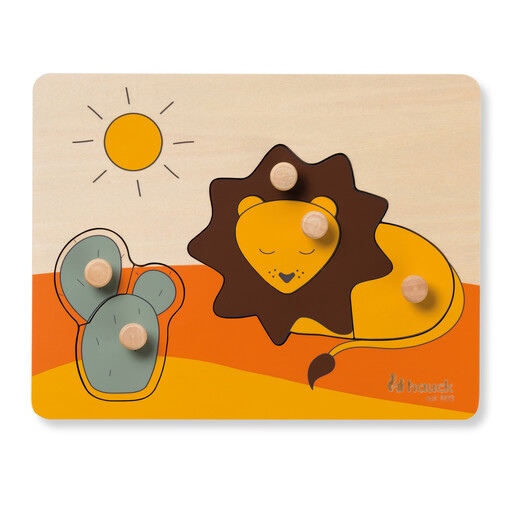
Why it's a good fit: For families who value sustainability, tactile experience, and durability. This wooden toy is a classic that specifically promotes development and is made from certified materials.
It bypasses the trap of cheap plastics and short-lived electronics. As a classic motor skills toy, it has a clear educational focus on shape recognition and concentration without overstimulating the child.
Made from FSC-certified wood, representing an eco-conscious and safe choice. The large wooden knobs are ideal for small hands.
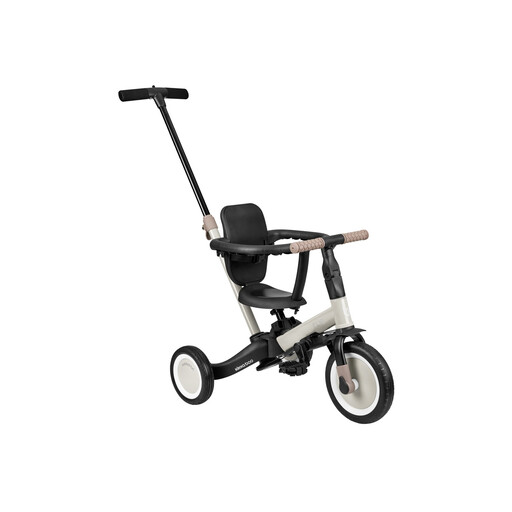
Why it's a good fit: A long-term investment for active families. This tricycle grows with the child, covering developmental stages from a push-along to an independent trike. An ideal gift for children on their first birthday.
It's the antithesis of a short-lived toy. The 5-in-1 functionality justifies the investment, as it eliminates the need to buy multiple separate vehicles and remains relevant for years.
Grows with the child from 1 to 5 years, adapting thanks to adjustable elements. The robust carbon steel frame ensures stability and durability.
We have compiled a complete, up-to-date list of products that fully meet these strict selection criteria and EU safety regulations.
1. How can I identify truly safe educational toys? Look for the CE mark and, ideally, additional test seals like the GS mark (Geprüfte Sicherheit / Tested Safety). Check the declared materials (e.g., BPA-free for plastic, FSC for wood) and inspect the workmanship for sharp edges or loose parts. A strong chemical smell is a red flag. Always read the manufacturer's warnings regarding age suitability.
2. From what age is an "educationally valuable toy" useful? Meaningful development support starts from birth. For a newborn, even a mobile above the changing table or a simple teether is an educational toy that stimulates the senses. The crucial factor is that the toy always matches the child's current developmental stage, neither underwhelming nor overwhelming them.
3. How do I properly clean different types of toys?Wooden toys should only be wiped with a slightly damp cloth, as too much water can cause the material to swell. Plastic toys without electronics can often be cleaned with a mild soap solution. Bath toys must be completely emptied and dried after each use to prevent mould growth inside. For fabric toys and play mats, follow the manufacturer's washing instructions.