
Lieferung heute & morgen

Qualitätsgarantie

Willkommens-Angebote freischalten: KOSTENLOSE Lieferung | Bis zu 80 % RABATT | Kostenlose 30-Tage-JoyPlus-Testphase
App herunterladen
Educational toys for children should combine the fun of play with practical learning opportunities. But for parents, grandparents, relatives and educational settings, a colourful box is not enough. The recommended age, materials, piece size, cleaning requirements and way the toy is played with all help determine whether it’s really suitable for everyday use.
The label ‘from 1 year’ doesn’t mean every child can use the toy safely or independently straight away. Skills such as grasping, sorting, sliding and building develop at different rates. The age limit is particularly important for products with small parts or magnets.
For example, the VTech TUT TUT Baby Flitzer Pizza Truck has interactive features and a product description for children aged 1 to 5. However, the safety information states that this specific product is not suitable for children under 3. Always follow the warnings on the product and packaging, rather than relying on the shop title alone.
A large set can offer plenty of possibilities, but it also needs enough space and a reliable way to store it. For a one-year-old, a few easy-to-grip shapes are often more suitable than an extensive construction set with small pieces. What matters is whether the child can handle the pieces and understand how the toy works.
Magnetic building blocks for children are often promoted as STEM toys that encourage spatial awareness and creative construction. But these benefits are no substitute for checking safety. If magnets are swallowed, they can attract each other inside the body and cause serious injuries. Keep toys with magnets away from children below the stated age limit. Remove any damaged pieces or pieces with exposed magnets immediately.
Start by checking:
Wooden toys from age 1 should ideally have just a few sturdy, easy-to-see pieces. For toys designed for toddlers, it’s also important to check whether parts could come loose, splinter or be put in the mouth.
For plastic products, the material information should be clear and easy to verify. Some magnetic sets in the product information are made from ABS plastic and state that they have CPC or ASTM certifications. These details come from the relevant product listing and don’t automatically mean that the product has undergone a full assessment against European requirements.
In Germany, also check for:
For construction toys, compatibility can affect how useful a set is over time. LEGO DUPLO, for example, is designed as its own building system. Different magnetic toy ranges, on the other hand, use different sizes, such as 2.5 cm, 5.5 cm or 7.5 cm. Always check the stated dimensions when a product is described as ‘compatible’.
Cleaning matters too: many products should only be wiped with a soft, slightly damp or dry cloth. Don’t soak magnetic pieces in water. A bag or box supplied with the set can also help prevent individual pieces from getting lost.
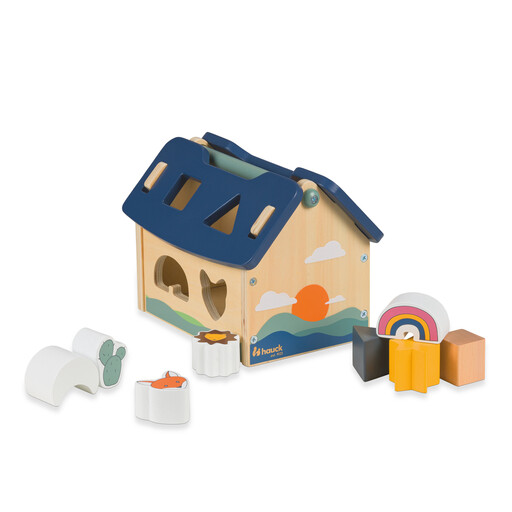
Why this product suits this profile: This wooden toy for children aged 1 and over offers a straightforward sorting and shape-fitting activity, with eight building blocks and a house that opens up.
The number of pieces is manageable. The recommended age is 12 months and over, but any damaged or loose parts should still be removed.
Made from FSC-certified wood, according to the product description; the sorting shapes, colours and carry handle are clearly described.
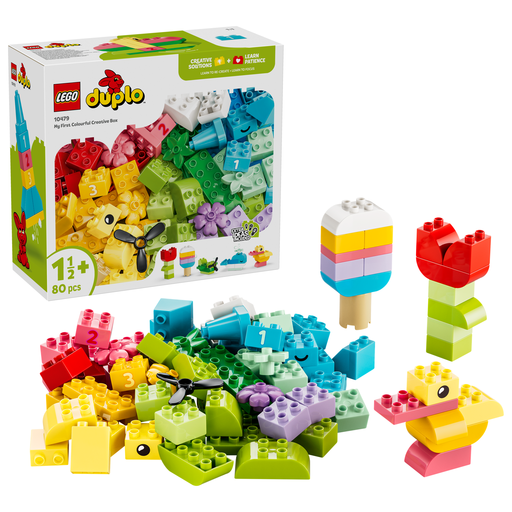
Why this product suits this profile: According to the product details, this 80-piece box is for children aged 18 months and over, and is suitable for both free building and making the suggested models.
The product description specifies the number of pieces and the age range, and explains that the set can be expanded within the LEGO DUPLO system.
Large building blocks for little hands; according to the description, the set includes number blocks marked ‘1’, ‘2’ and ‘3’.
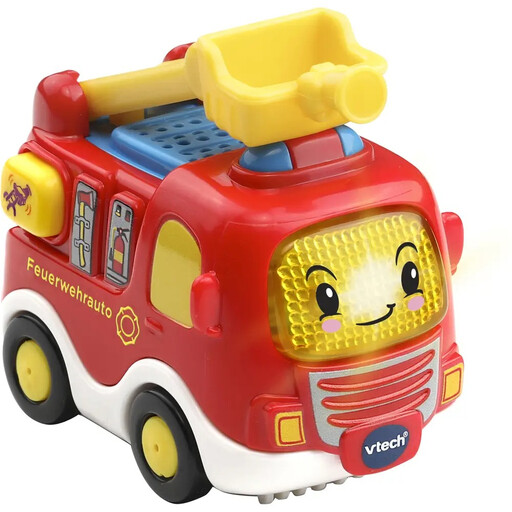
Why this product suits this profile: This interactive toy car combines pushing it along with lights, sounds and a moving ladder. According to the product details, it’s designed for children aged 1 and over.
The product details specify that it needs two AAA batteries and state the age range. Check the battery compartment regularly.
Three songs, six melodies and compatibility with other Tut Tut Baby Flitzer playsets, according to the product details.
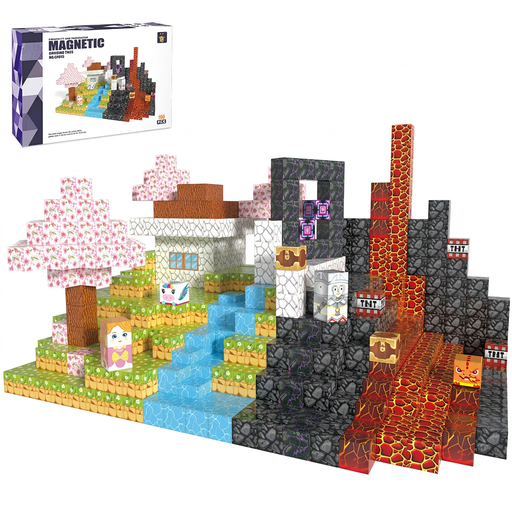
Why this product suits this profile: This 100-piece set uses 2.5 cm pieces and is designed for children aged 3 and over. It includes geometric shapes for building together.
The warning about magnets, the minimum age of 3 and the recommendation for supervision are all clearly stated. Remove any damaged pieces.
100 pieces, a storage bag and, according to the product description, compatibility with other 2.5 cm magnetic building blocks.
We’ve put together a complete, regularly updated list of products that meet these strict selection criteria and fully comply with the safety regulations in force in the EU.
For children aged around 1 and over, sorting games, simple shape-fitting toys and sturdy vehicles are good options. Motor skills toys should be easy to use, without complicated assembly, and safe for little hands.
From 18 months, larger building blocks such as LEGO DUPLO can be a good choice. A set such as the LEGO DUPLO Peppa Pig Family House playset is listed as suitable for children aged 2 and over, and combines role play with familiar everyday situations.
Magnetic construction sets may be suitable from age 3, provided you follow the safety warnings. For children aged 4 and over, smaller-piece sets such as LEGO Classic 11039 Creative Food Friends, with 150 pieces, may be appropriate. Always follow the age recommendation and take the warning about small parts seriously.
Simple sorting, shape-fitting and stacking games with large, sturdy pieces may be suitable. Check the specific age recommendation, the size of the pieces and the condition of the materials. Supervision is often a good idea for children under 3, even when a product is approved for use from age 1.
Magnetic building blocks should only be used by children within the stated age group. Strong magnets can cause serious injuries if swallowed. Children under 3 should not have access to these sets. Regularly check the pieces for cracks, loose connections and exposed magnets.
Electronic educational toys usually involve the cost of batteries. Check whether batteries are included, what size you need and whether the toy has an automatic shut-off function. For example, the VTech Tut Tut Baby Flitzer Fire Truck is listed as requiring two AAA batteries. How long they last depends on how much the toy is used and the quality of the batteries.