
Lieferung heute & morgen

Qualitätsgarantie

Willkommens-Angebote freischalten: KOSTENLOSE Lieferung | Bis zu 80 % RABATT | Kostenlose 30-Tage-JoyPlus-Testphase
App herunterladen
Educational toys for toddlers should keep them engaged without becoming boring too quickly. At the same time, parents, grandparents and other family members want to avoid buying a product that promises lots of features but turns out to be too noisy, contain too many small parts or be unsuitable for the child’s age. What matters most, then, is not the longest product description, but the combination of age recommendation, construction, material information and genuine practicality for everyday use.
A toy with lights, music, buttons and lots of accessories may seem versatile at first. But if several features are only tried briefly, or the sounds can’t be adjusted, it can quickly become impractical for family life. For musical toys for children, volume control, an off switch and battery consumption are therefore important considerations.
‘From 1 year’ doesn’t mean that every child will immediately be able to complete all the activities. A shape sorter or wooden puzzle for children aged 12 months and over should initially be introduced with an adult. Age recommendations are especially important for sets with small parts. A product for children aged 3 and over should not be given to younger children, even if some of the pieces look large.
Terms such as ‘non-toxic’, ‘Montessori’ or ‘BPA-free’ describe specific properties only. On their own, they don’t tell you whether a toy is suitable for a particular child. Also check for warnings, manufacturer information, details of the responsible person in the EU and clear care instructions.
The age recommendation should match the child’s motor development. For babies and children aged around 12 months and over, large, easy-to-grip pieces, simple fitting activities and sturdy shapes are suitable. With motor skills toys for children aged 1 and over, check loose parts regularly. For children aged 3 and over, more complex construction activities and magnetic building blocks may be suitable, provided you follow the relevant warnings.
Magnets need particular care. If several strong magnets are swallowed, they can attract one another inside the body and cause serious injuries. Magnetic construction toys should therefore be checked for cracks, loose parts or exposed magnets.
Look for rounded edges, sturdy connections and surfaces free from splinters or sharp burrs. FSC information on wooden toys may describe where the wood comes from, but it doesn’t replace checking the product itself. For plastic toys, material details such as ABS or BPA-free can be helpful, but should be considered alongside the safety information.
The CE marking is a mandatory conformity marking for many products in the European Economic Area. It is not an independent quality seal and does not indicate which toy is most beneficial for learning. Any claims about EN71 should be verifiable in the product description or accompanying documents.
Before buying, think about the type of play that will suit the child and your household:
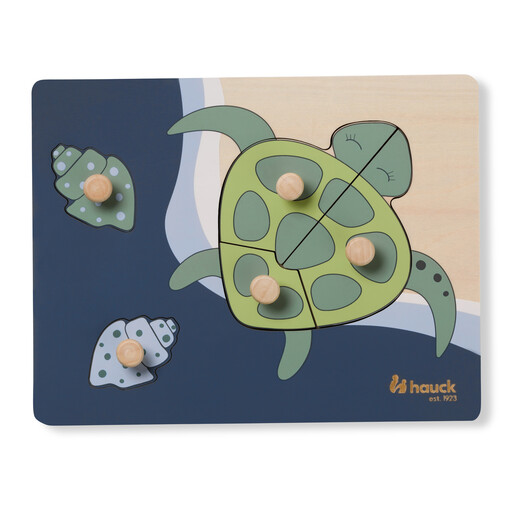
Why it suits this profile: This wooden puzzle for children aged 12 months and over focuses on one manageable activity and doesn’t need batteries. The wooden board with handles is designed for short, supervised play sessions as part of everyday life.
The limited number of activities avoids an overloaded design. According to the product information, the puzzle is intended for children aged 12 months and over and should be used under direct supervision.
Wooden board with child-friendly handles, rounded design and dimensions of 22 × 17 cm, according to the product description.
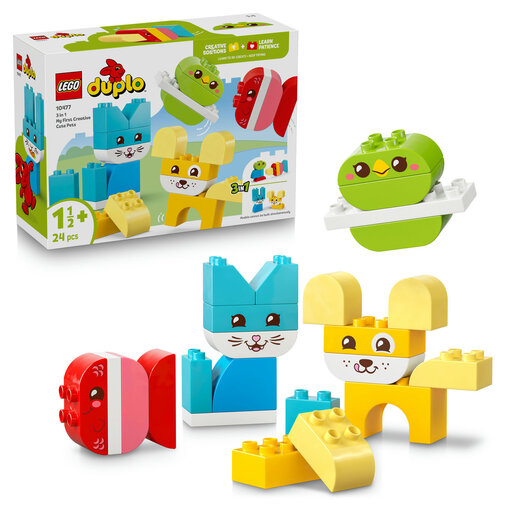
Why it suits this profile: This set combines building, sorting and role play. It’s a good choice for families looking for a reusable LEGO DUPLO educational toy with a clear age recommendation.
The 24 easy-to-grip bricks are intended for children aged 18 months and over. This lets them build up to more complex play gradually, rather than having too many features to explore at once.
According to the product information, the 24 pieces can be used to build eight animal figures. Children can match colours and shapes as they play together.
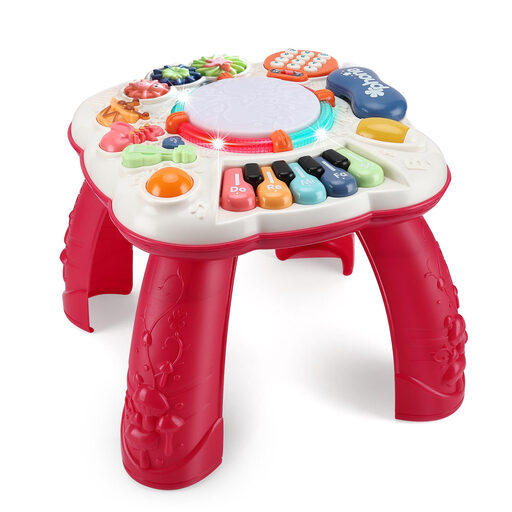
Why it suits this profile: This activity table is for households looking for a toy that can be used across different stages of development. It can be used on the floor as a play board or with the legs attached.
According to the product description, this model has volume control and a quiet mode. Batteries are not included, so you’ll need to buy them separately.
Six play areas with piano keys, a drum, gears and a telephone function; according to the manufacturer, it’s intended for children aged 6 to 36 months.
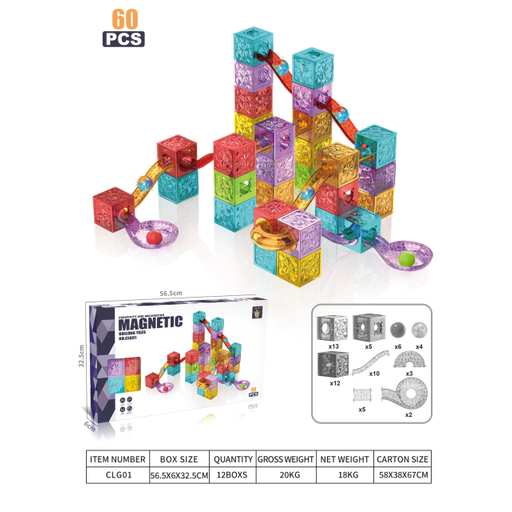
Why it suits this profile: This set is designed for children aged 3 and over who want to build freely and explore two- and three-dimensional shapes. It’s suitable for supervised creative and construction play.
The product information specifically mentions small parts and strong magnets. The set must not be used by children under 3 and should be checked regularly for damage.
60 pieces in 5.5 cm sizes, according to the description; a storage bag is included, and the pieces are said to be compatible with other systems of the same size.
We’ve put together a complete, regularly updated list of products that meet these strict selection criteria and fully comply with the safety regulations in force in the EU.
From 12 months, large fitting pieces, simple shape sorters, wooden puzzles with handles and sturdy stacking or building toys may be suitable. Check the age recommendation and introduce new activities together at first. A gift for a toddler should not only look appealing, but also suit their current stage of development.
There’s no need to set a fixed time. Short, regular play sessions of around 10 to 20 minutes can work well in everyday life. What matters is whether your child is playing willingly and staying engaged. For electronic or musical toys, keep the volume moderate and take a break if your child seems unsettled.
Magnetic building blocks are generally intended only for children who have reached the stated minimum age, often 3 years. They should be used under supervision and checked regularly for damaged pieces. For children under 3, large non-magnetic blocks or age-appropriate fitting and sorting toys are a more suitable choice.