
Lieferung heute & morgen

Qualitätsgarantie

Willkommens-Angebote freischalten: KOSTENLOSE Lieferung | Bis zu 80 % RABATT | Kostenlose 30-Tage-JoyPlus-Testphase
App herunterladen
Anyone looking to buy egg-free foods online is usually searching for more than just the right taste. For people with an egg allergy or intolerance, consumers following a vegan diet, and fans of Asian cuisine, ingredient lists, allergen statements, and pack sizes are crucial. Even products labelled “Egg-Free Version” deserve a close look at the packaging.
The following selection by the Joybuy Product Recommendation Officer evaluates products based on objective details such as ingredients, allergens, nutritional values, preparation requirements, and pack size.
A product may be made without egg as an ingredient while still carrying the statement “May contain traces of egg”. This applies, for example, to the Bonasia Egg-Free Mie Noodles 250g. The ingredients list contains wheat flour, durum wheat semolina, and salt; at the same time, it warns of possible traces of egg.
If you have a diagnosed egg allergy, do not overlook this statement. Check the current product packaging before purchasing and contact the manufacturer if you are unsure.
Egg-free instant noodles, egg-free ramen, and egg-free vermicelli are not automatically gluten-free or soy-free. Many varieties contain wheat, gluten, soy, or sesame. Yangzhanggui’s Hong Kong-style noodles are offered as an egg-free version, but according to the product information they contain wheat, soybeans, and sesame.
If you are shopping for halal products, also check for the relevant certification, the ingredients list, and the details provided by the responsible distributor. The designation “Halal Food” forms part of the product name for several Yang-Zhang-Gui products, but it does not replace an individual check where specific requirements apply.
A single 180- or 197-g cup is suitable for occasional consumption. Boxes containing twelve cups are more economical for regular users, but they require sufficient dry storage space. Frozen products such as edamame, cooked corn, or fish roe must be stored at –18 °C and generally cannot be refrozen after thawing.
Look out for the following terms:
For a vegan diet, also rule out stock, fish sauce, animal-derived flavourings, and egg ingredients in seasoning powders. According to the product description, Wang Korean Waxy Corn 360g consists of 100% corn and is listed as vegan and gluten-free. It is frozen and, based on the available information, contains none of the main allergens.
Depending on the recipe, instant noodles can contain varying amounts of fat, carbohydrates, and salt. Yang Zhang Gui Vermicelli with Golden Beef flavour is listed as containing 3.6 g of salt per 100 g. The Hong Kong Style Rich Sauce variety also contains 3.6 g per 100 g. The soup and sauce sachets make a significant contribution to the overall nutritional values.
If you want to reduce the salt content, you can initially use only part of the seasoning sachet. However, this will alter the taste and does not constitute a change to the manufacturer’s recipe.
For instant ramen, water temperature and steeping time are particularly important in practice. Several Yang-Zhang-Gui products require water at a temperature of at least 85 °C and a steeping time of around five minutes. According to the product information, the cups do not include a fork. If you are buying them for the office, travel, or stocking up, remember to provide your own cutlery.
Frozen products, on the other hand, require an uninterrupted cold chain. Mooijer-Volendam Edamame Cooked 1kg and Mooijer-Volendam Cooked Corn 1kg must be stored at –18 °C or colder. After thawing, follow the respective storage and consumption instructions on the packaging.
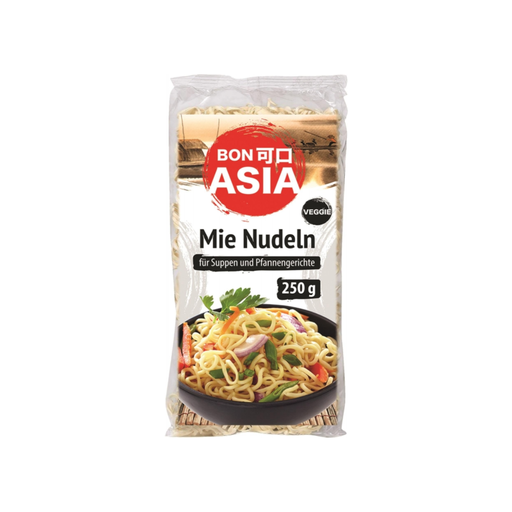
Why it is a good fit: The 250-g pack is ideal for trying the product and creating customised noodle dishes. The short ingredients list contains wheat flour, durum wheat semolina, and salt.
The product information expressly mentions possible traces of egg. For a strict egg allergy, you should therefore contact the manufacturer or choose a product with more suitable trace-allergen labelling.
250 g pack size, 369 kcal, and 0.6 g of salt per 100 g according to the product information. Contains gluten and soy.
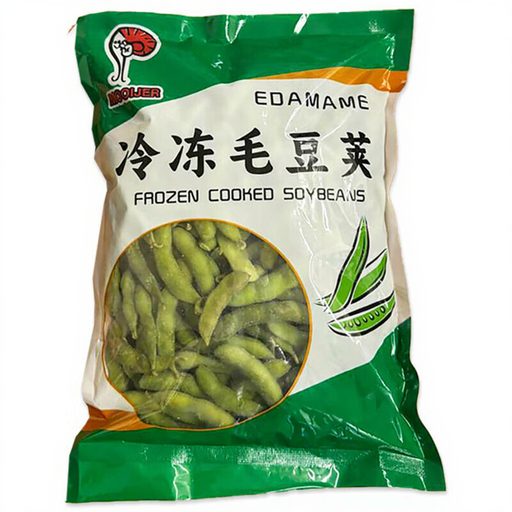
Why it is a good fit: After thawing, pre-cooked edamame can be served as a side dish or snack, or added to bowls and stir-fries.
The ingredients list names soybeans as the sole ingredient. However, the product is frozen and contains soy, an allergen.
1 kg, 142 kcal, and 12 g of protein per 100 g according to the product information. Keep refrigerated after thawing and do not refreeze.
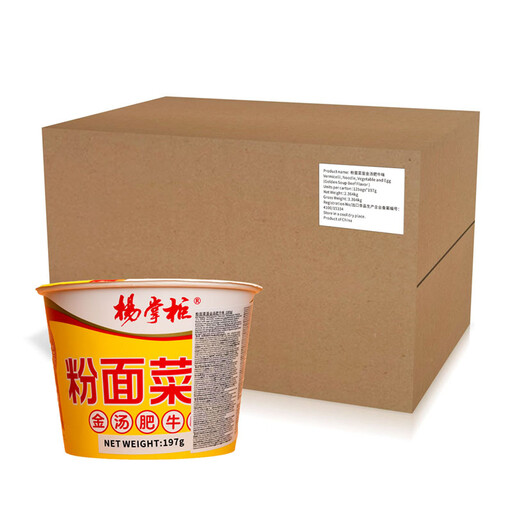
Why it is a good fit: The twelve-cup multipack is designed for keeping in stock and combines a noodle block, vermicelli, vegetables, and seaweed in one cup.
The product description states that it contains wheat, soy, and sesame, as well as 3.6 g of salt per 100 g. This should be taken into account when planning your diet before purchase.
12 cups of 197 g each; prepare with water at a temperature of at least 85 °C and steep for around five minutes.
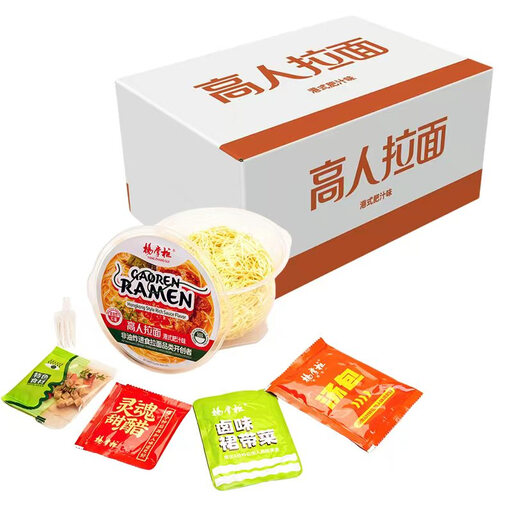
Why it is a good fit: Each cup contains noodles, sauce, vinegar, vegetables, and seaweed seasoning. According to the description, preparation takes four to six minutes.
The product is labelled egg-free but, according to the information provided, contains wheat, soy, and sesame. If you need strict allergen control, check the current packaging.
180 g per cup, 297 kcal, and 5.90 g of salt per 100 g according to the product information. Described as Halal Food; check the certification before purchase.
The full selection includes more egg-free products for different diets, shopping quantities, and uses. Before purchasing, continue to check ingredients, allergens, and storage instructions.
No. An egg-free recipe may still contain animal-derived ingredients such as meat stock, fish ingredients, or animal-derived flavourings. In addition to the egg statement, check the complete ingredients list and a reliable vegan certification.
Generally, not automatically. Many ramen products are made with wheat flour and contain gluten. Gluten-free foods such as pure corn may be an alternative, but they have a different texture and require a different preparation method.
The specific best-before date is printed on the packaging. Products such as edamame, corn, and fish roe must be stored at –18 °C or colder. After thawing, follow the manufacturer’s instructions; the products mentioned above are not intended to be refrozen.