
Lieferung heute & morgen

Qualitätsgarantie

Willkommens-Angebote freischalten: KOSTENLOSE Lieferung | Bis zu 80 % RABATT | Kostenlose 30-Tage-JoyPlus-Testphase
App herunterladen
As your Joybuy Product Recommendation Officer, my role is to provide you with clear, objective information to help you find products that meet your needs. If you're looking for the traditional Eight Treasure Porridge, also known as Babao Zhou, whether for nostalgic reasons or culinary curiosity, the sheer number of options can be overwhelming. This guide is designed to help you understand the different options on the market and make an informed decision.
Before choosing a ready-to-eat porridge, there are several objective criteria that can guide your selection.
The composition of Eight Treasure Porridge can vary by brand. Traditionally, it is a sweet porridge made from a mixture of glutinous rice, beans, nuts, seeds, and dried fruits.
Several established brands are available in Germany, known for their consistent recipes. Brands like Yinlu, Daliyuan, and Wahaha each offer their own interpretation of this classic dish. Choosing a well-known brand can be helpful if you're looking for a specific, familiar taste. Its Chinese origin often guarantees a preparation that stays true to traditional recipes.
Most Eight Treasure Porridge is sold as a ready-to-eat canned porridge.
Here is a selection of products available on the German market, based on their objective features and ingredients.
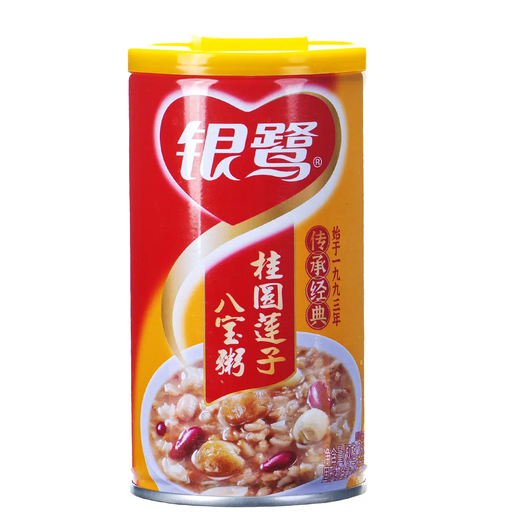
What sets this product apart: This product from Yinlu offers a classic blend of eight ingredients, including glutinous rice, red beans, peanuts, lotus seeds, and longan. With 12g of sugar per 100g, it is one of the sweeter options, closely following the traditional flavour profile of a dessert.
Pros:
Who is it for? For those seeking an authentic, sweet Chinese rice porridge and who appreciate the combination of fruits and legumes. Ideal as a quick snack or a light dessert.
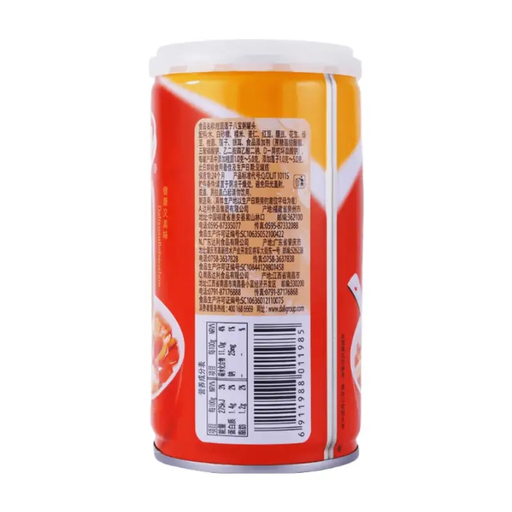
What sets this product apart: Daliyuan uses a recipe with a declared content of 1% longan and 1% lotus seeds. At 5.5g of sugar per 100g, this version is significantly less sweet than many alternatives. The ingredient list also includes white fungus, which provides a unique texture.
Pros:
Who is it for? For consumers who prefer a milder and less sweet sweet porridge. Also suitable for those looking for a quick meal on the go and who value a detailed ingredient list.
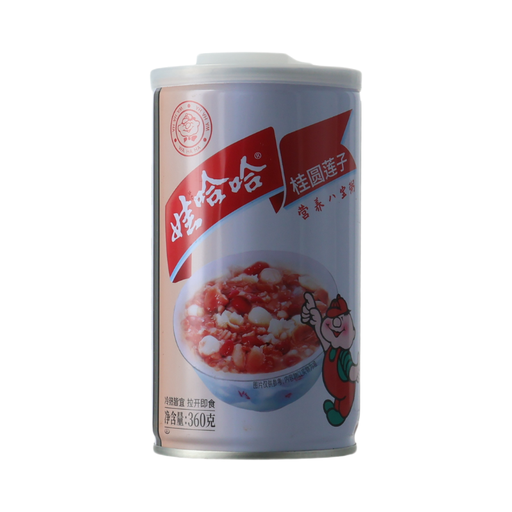
What sets this product apart: The version from Wahaha is distinguished by a comparatively high percentage of its namesake ingredients: according to the manufacturer, it contains 5% longan and 3% lotus seeds. With 8g of sugar per 100g, it falls into the medium range of sweetness. The recipe also includes barley and red dates.
Pros:
Who is it for? For fans of Longan Lotus Porridge who desire a more intense fruit flavour. Its balanced recipe makes it a great choice for a nutritious breakfast or a snack at any time of day.
The world of Asian desserts and grain products is vast. If you are particularly interested in the ingredient lotus seeds or wish to discover other related products beyond the classic Eight Treasure Porridge, you can find a wider selection in our Lotus Seeds category.
Eight Treasure Porridge, or Babao Zhou (八宝粥) in Mandarin, is a traditional Chinese rice porridge, often considered a sweet version of congee. It typically consists of glutinous rice cooked with a mixture of eight different grains, beans, nuts, and dried fruits. In China, it is commonly eaten for breakfast, as a dessert, or as a nourishing snack.
Yes, the porridge can be enjoyed in several ways: chilled straight from the fridge, at room temperature, or warm. To heat it, pour the contents of the can into a saucepan and warm it slowly over low heat. Alternatively, you can heat it in a microwave-safe bowl. Never heat the unopened or opened metal can itself.
Eight Treasure Porridge is primarily a source of carbohydrates and also contains plant-based protein and fibre from its ingredients like beans and nuts. Whether it fits into your diet plan depends on your individual goals. It is advisable to check the nutritional information on the packaging, especially the sugar and calorie content, to make an informed decision.