Photographers dealing with strong contrasts
You want to capture bright clouds and shaded sandstone in the same shot, and are happy to use RAW files or exposure bracketing.


For photographing the Elbe Sandstone Mountains in changing light, RAW, easily accessible exposure compensation and exposure bracketing are important features to look for. Nikon Germany describes exposure bracketing as taking several shots at different exposure levels; this takes extra time when parts of the scene are moving. On long walks, the weight of the whole camera and lens set-up matters too – megapixels alone won’t tell you which system is right for your subject.
You want to capture bright clouds and shaded sandstone in the same shot, and are happy to use RAW files or exposure bracketing.
You carry your camera over long distances and weigh up handheld shooting against the weight and bulk of your complete kit.
You take photos in rain or cold weather too, and want to check the weather protection ratings for the camera body and lens separately.
For changing daylight and walks through the Elbe Sandstone Mountains, it’s worth considering your shooting process, framing and the weight of your complete kit together.
| What matters when buying | What to check | Who it matters to most |
|---|---|---|
| Bright skies and dark rocks | RAW, exposure compensation and exposure bracketing; multiple shots take extra time to edit. | If I want to capture bright clouds and shaded rocks together, I need suitable exposure and editing options. Around 29% of consumers put handling light contrast first. |
| Carrying the camera and lens | Consider the combined weight of the body, battery and intended lens; weigh up a prime lens against an interchangeable-lens system. | On long walks, I want to keep the weight of my complete kit down and am considering whether to avoid changing lenses. Around 23% of consumers prioritise how portable their equipment is. |
| Protection from rain and cold | Check the protection ratings for the exact camera body model and the lens you’ll use separately. | If I take photos in changeable weather too, I want to know which ratings apply to my specific camera and lens combination. Around 18% of consumers put weather protection first. |
| Wide views or rock details | With system cameras, check the lens focal length and mount; with compact cameras, consider the fixed focal length. | For changing rock scenes, I want to choose between a wide view and a tighter frame. Around 18% of consumers prioritise flexibility in how they frame a shot. |
| What’s involved in choosing a camera system | Check which lenses you already own, the mount and what’s actually included with the planned kit. | If I’m putting together a complete kit for the subjects I photograph, I want to know whether I can keep using my existing lenses and what else I’ll need. Around 12% of consumers focus first on what’s involved in choosing a system. |
When you have a bright sky and dark foreground, your shooting technique and choice of lens also affect the result. A higher pixel count won’t solve the contrast on its own.
Check RAW support, exposure controls and the lens you plan to use together before choosing based on resolution.
Depending on the angle of view you want, you may also need a suitable lens; exposure bracketing also means extra work when shooting and editing.
Protection ratings apply to the specific model and don’t automatically describe the attached lens or every shooting situation.
Read the ratings for the body and lens separately, and plan how to protect them when you’re carrying them.
According to Ricoh, the Ricoh GR IV has a fixed lens with a focal length of around 28 mm in 35 mm equivalent terms. You can’t change the focal length to get a tighter shot of distant rock details by swapping lenses.
Before buying, consider whether you’ll mainly take wide views or want to frame tighter shots too.
If you need other focal lengths later, you may want to consider an additional camera for different compositions.
Rules apply to paths in Saxon Switzerland National Park; in the core zone, you may only use marked paths or routes indicated by signposts.
If your location is in the national park, plan your compositions from permitted paths and viewpoints.
The X-T5 is an APS-C system camera for capturing rock textures, shooting in RAW and using interchangeable lenses.
The OM-5 Mark II is aimed at walkers looking for a lightweight body with a stated weather protection rating.
The Z5II is a full-frame system camera with a Z mount and in-body stabilisation.
The Alpha 7 IV is a full-frame system camera for photographers considering E-mount lenses and RAW shooting.
The EOS R8 is a full-frame camera with an RF mount, for use with a suitably planned lens kit.
The GR IV is a compact camera with a fixed wide-angle lens rather than an interchangeable-lens system.
The offers below include compact action and pocket cameras, as well as a drone. They aren’t like-for-like alternatives to a system camera with interchangeable lenses. Drone use is prohibited in Saxon Switzerland National Park under the rules of the national park and forestry authorities.
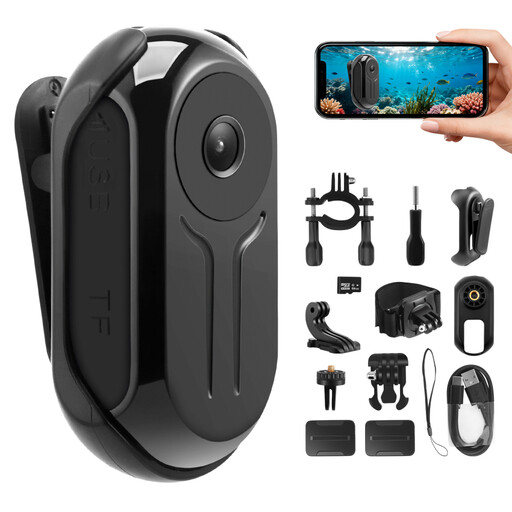 No image available
For walks when you want a compact camera for first-person shots; the wide-angle view isn’t a substitute for choosing specific, tighter shots of rock details.
It weighs 27 g. The listed accessories include mounts for a bike, helmet and rucksack.
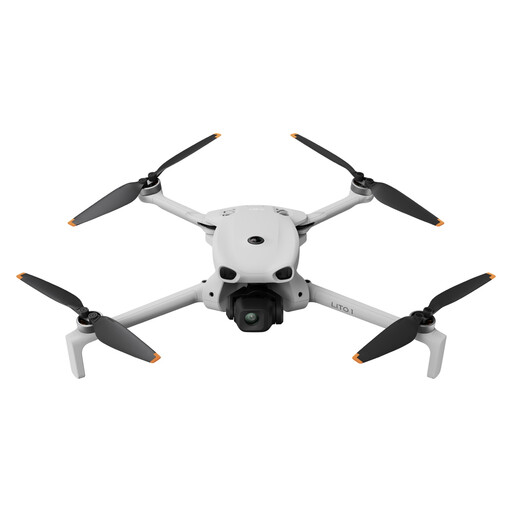 No image available
For an aerial perspective, provided the location and applicable rules allow drone use. Drones are prohibited in Saxon Switzerland National Park.
The product description mentions aerial photography and high-resolution images.
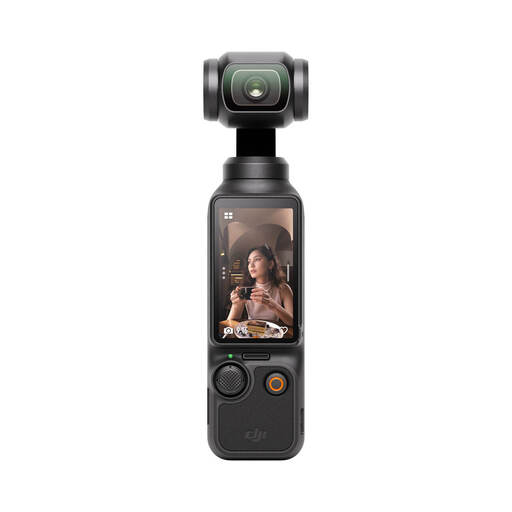 No image available
For a compact camera that can take still photos, if you’d prefer a handy device to an interchangeable-lens system.
Specifications include a 1-inch CMOS sensor, 3-axis stabilisation, a rotating 2-inch touchscreen and a weight of 179 g. The description also lists D-Log M and 10-bit colour for editing.
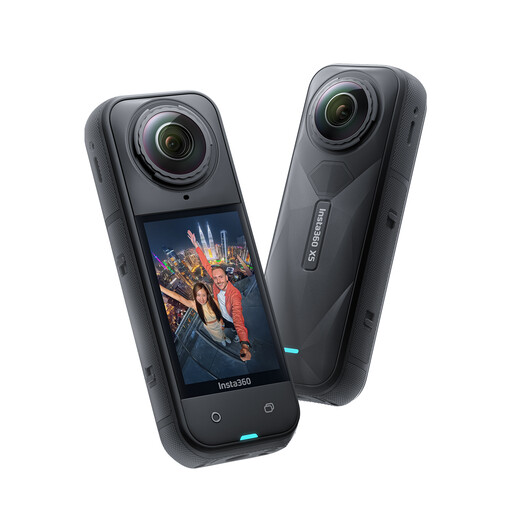 No image available
For 360° shots where you want to choose the framing afterwards; this sets it apart from a conventional wide-angle shot.
Specifications include 8K/30 360° video, interchangeable lenses and waterproofing to 15 m without a housing.
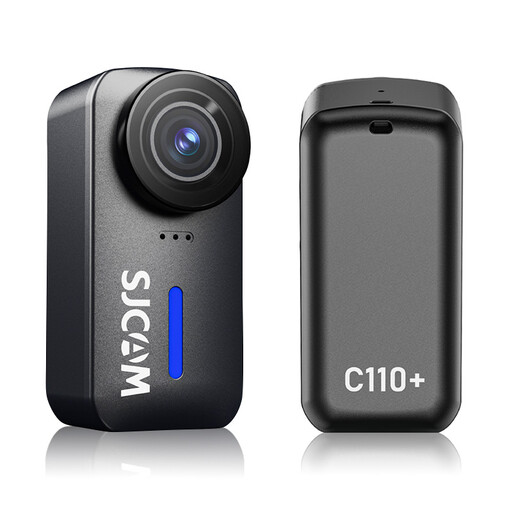 No image available
For wide views and manual exposure adjustments, if a 170° field of view suits the framing you want.
Specifications include 20 MP photos, a 170° lens, f/1.8, gyro stabilisation and a weight of 82 g. The stated waterproofing to 30 m applies when used with the waterproof housing.
Start by checking the exposure. For a mostly still scene, you can take shots at different exposure levels and choose or combine them later; RAW is another option for editing. Nikon Germany describes exposure bracketing as taking shots at different exposure levels – this doesn’t tell you the dynamic range of any particular camera model.
No, not for every shot: stabilisation can help when shooting handheld. If you’re specifically planning long exposures, for example to show movement as a blur, a sturdy tripod is useful. Canon Academy Germany highlights this use for long exposure times; also make sure you follow the rules for paths at your shooting location.
Before buying, check that the lens fits the mount, and protect your camera and lens from moisture and dirt when changing lenses. A camera body’s protection rating doesn’t automatically describe the protection of every camera and lens combination.
Your statutory rights against the seller are different from a voluntary guarantee. Online consumer purchases are also generally covered by a right to cancel, usually within 14 days of receiving the goods; exceptions and the terms of the specific purchase may apply. Verbraucherzentrale explains these differences and time limits in Germany.
No. Under the rules of the Saxon Switzerland National Park and forestry authorities, you must stay on paths in the national park; in the core zone, only marked paths or routes indicated by signposts are permitted. Drone use is prohibited throughout the national park. These rules apply to Saxon Switzerland National Park and not automatically to every location in the Elbe Sandstone Mountains.