
Lieferung heute & morgen

Qualitätsgarantie

Willkommens-Angebote freischalten: KOSTENLOSE Lieferung | Bis zu 80 % RABATT | Kostenlose 30-Tage-JoyPlus-Testphase
App herunterladen
An electric air pump can save you a lot of space in the car, on your bike, when riding a motorbike or while camping. However, not every model is right for every purpose. Some are designed for quick tyre pressure top-ups, while others are made for air beds and inflatable leisure products. If you focus only on a high PSI rating or compact design, you could overlook important details.
A figure such as 150 PSI tells you the maximum pressure the pump can reach, but on its own it says little about how quickly it will inflate something. When choosing a pump for a car tyre, you should also consider airflow, motor power, battery capacity and the permitted operating time. A mini compressor may offer a high maximum pressure, but it will take much longer to inflate a completely flat tyre than to make a small adjustment of, say, 0.2 bar.
A cordless battery-powered air pump is handy when there’s no socket nearby. However, the battery could run out during longer jobs. Check the battery capacity, charging port and whether the pump can also be used with a cable. A 12-V air compressor that plugs into the cigarette lighter is less portable, but you can use it in your vehicle without having to charge it first.
Car tyres, bike tyres, balls and air beds don’t always use the same connection. A model without the right adapters will only be suitable for your intended purpose to a limited extent. A short hose or hard-to-reach connection can also make a pump more difficult to use. Before you buy, check which nozzles, cables and hoses are included.
For an electric tyre pump, the stated pressure range should be suitable for your vehicle or bike. Car tyres are often inflated to around 2.0 to 3.5 bar, but always check the correct pressure for your vehicle on the vehicle itself, in the handbook or on the manufacturer’s website. For balls and air beds, finer control at lower pressures is often more important.
Airflow is usually given in l/min. A higher figure can mean faster inflation, but it isn’t automatically a sign of quality. If you’re buying an air pump for air beds or other inflatable products, also check whether it can deflate them.
A portable battery-powered air pump is ideal for use on the go, as long as it can run for long enough for the job you have in mind. Models with a USB-C port are easier to recharge day to day. If you regularly inflate tyres, a pump that comes with both a battery and a 12-V cable could be a good choice. The motor should be allowed to cool down between longer inflation jobs. Check the instructions for details.
A digital air pump with an LCD display usually shows the set or measured pressure more clearly than a basic analogue gauge. Make sure the unit matches the one you use, such as bar or PSI. A tyre inflator with automatic shut-off stops when it reaches the pre-set pressure. If you need an accurate reading, check the tyre pressure with a suitable gauge as well.
For air beds, dinghies and other large-volume inflatables, an electric pump with high airflow is often a better choice than a mini compressor designed for high pressure. If you only top up your bike tyres occasionally, a manual air pump may be all you need. It doesn’t need a battery and works without electricity, but you’ll have to do the pumping yourself.
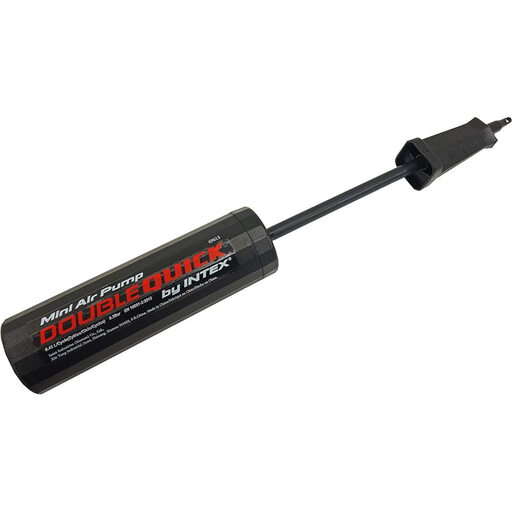
Why it suits this type of user: This manual air pump needs neither a battery nor a socket, and is designed for air beds and other inflatable products.
With no battery or charging electronics, you don’t need to worry about the charge level or access to a power supply.
29 cm design, pumps air when pushed and pulled, and comes with three valve adapters according to the product description.
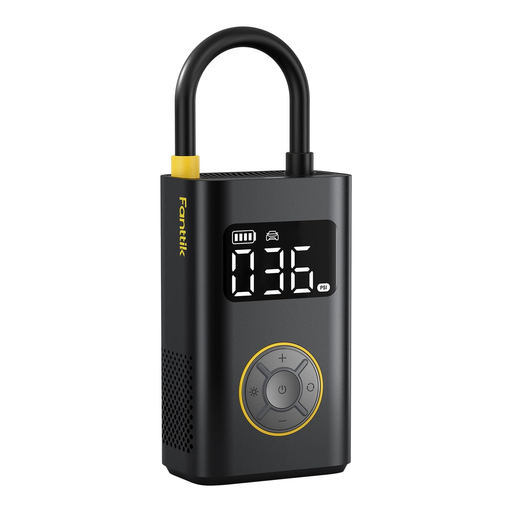
Why it suits this type of user: This pump combines a digital display, several pre-set modes and automatic shut-off for tyres, balls and bikes.
The display and automatic shut-off help you set the target pressure before inflation, so you don’t have to keep monitoring the process manually.
150 PSI maximum pressure according to the product details, 4+N modes and an integrated hose with a storage compartment.
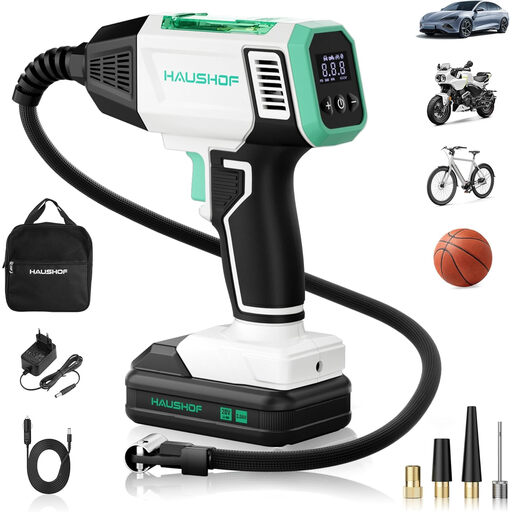
Why it suits this type of user: Ideal for car, motorbike and bike users who want a battery-powered pump with an additional 12-V power option in one device.
The 2,000-mAh battery and 4 m 12-V cable give you another power option if the battery isn’t sufficiently charged.
150 PSI, 22 l/min, four pre-set modes, manual adjustment and an LCD display according to the product details.
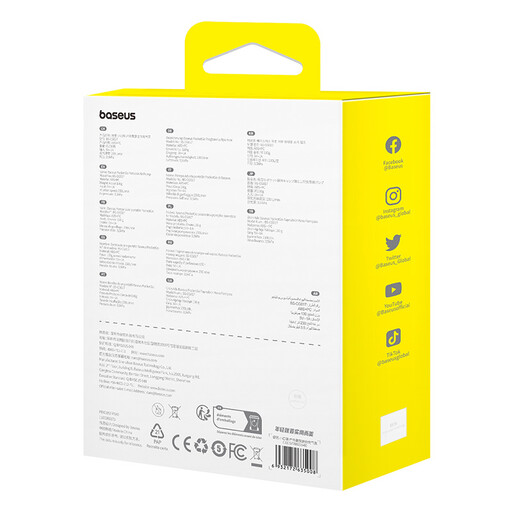
Why it suits this type of user: Weighing around 130 g, this model is designed for anyone looking for a compact air pump to take on the go.
Its light weight takes up less room in a rucksack or bike bag; just make sure it’s suitable for your intended use.
Around 130 g, 5-V-1-A input, stated inflation rate of 230 l/min and a pressure rating of 3.5 kPa.
We’ve put together a complete, regularly updated list of products that meet these strict selection criteria and the safety regulations in force in the EU.
For car tyres, a suitable pressure range, an easy-to-read display and automatic shut-off are useful features. If you regularly use a pump on the go, you can choose between a cordless battery-powered air pump and a 12-V air compressor. Depending on the model, a combination pump can offer both power options.
Run time depends on battery capacity, tyre pressure, temperature and how long you use the pump. Inflating a completely flat tyre uses considerably more power than making a small pressure adjustment. Manufacturer figures should therefore be treated as a guide. For longer jobs, choose a model with a cable option or take an additional manual air pump.
It depends on the airflow, connection and nozzles supplied. An electric tyre pump designed for high pressure is intended for tyres, balls and bike valves. For an air bed, a dedicated pump with high airflow may be a better choice. Also check whether the pump can only inflate or can also remove air.