
Lieferung heute & morgen

Qualitätsgarantie

Willkommens-Angebote freischalten: KOSTENLOSE Lieferung | Bis zu 80 % RABATT | Kostenlose 30-Tage-JoyPlus-Testphase
App herunterladen
An electric air pump can save you time on the go – provided it suits the valve type, air volume and intended use. However, many buyers focus solely on a high PSI rating or a compact design. This often leads to the wrong purchase: a tyre pump with 150 PSI isn’t automatically suitable for car tyres, and a small air mattress pump may fall short of the pressure needed for a SUP board.
This buying guide explains which technical specifications actually matter and which models suit different user profiles.
A rating of “150 PSI” or “160 PSI” primarily describes the maximum achievable pressure. What also matters in practice are airflow rate, motor power, operating time and cooling intervals. A mini compressor for bicycle tyres works differently from a SUP air pump, which must first handle a large air volume and then deliver higher pressure.
A battery-powered air pump needs regular charging. On longer journeys, when inflating several car tyres or in cold temperatures, the available run time can be limited. A corded model with a 12-volt connection is less independent but doesn’t need charging beforehand. So before you buy, you need to decide whether you require a cordless air pump, a vehicle connection, or both.
Tyres, balls, air mattresses and SUP boards require different air volumes and valve adaptors. An electric tyre inflator with a small cylinder may be fine for pressure corrections on a bike or car, whereas a classic air mattress pump primarily delivers a high air volume at low pressure. The included nozzles and the right hose are therefore just as important as the pump itself.
For car tyres, the recommended tyre pressure is often in the range of about 2.0 to 3.5 bar, depending on the vehicle, load and tyres. Always refer to the information on your vehicle, inside the fuel filler flap, on the B-pillar or in the owner’s manual. The pump’s maximum pressure does not replace the manufacturer’s specification.
A device that can display PSI, BAR and KPA is practical. Models with a digital display and automatic shut-off stop pumping when the set target value is reached. This reduces the need to keep checking during inflation. However, you should still compare the pressure reading regularly with a suitable gauge.
The airflow rate is often given in L/min. For a bicycle tyre, precise pressure setting is usually key, while a SUP board needs a significantly larger air volume. For a SUP air pump, a two-stage operation, a pressure range up to 20 PSI and a deflation function are useful features.
For air mattresses and inflatable leisure items, a high air volume at low pressure is more important than a very high PSI value. A 220-volt pump is suitable for indoor use, while a battery-operated pump or a mobile compressor offers more flexibility when camping.
For battery-powered devices, pay attention to battery capacity, charging time and realistic run time. A power bank function or LED light can be handy on the go, but doesn’t replace sufficient pumping performance. For corded car tyre pumps, check that the connector is compatible with your 12-volt socket.
Electric pumps can heat up during extended use. Instructions on breaks, cooling and maximum operating time are therefore part of safe usage. Before a trip, make sure battery-powered pumps are charged, adaptors are complete and the hose is undamaged.
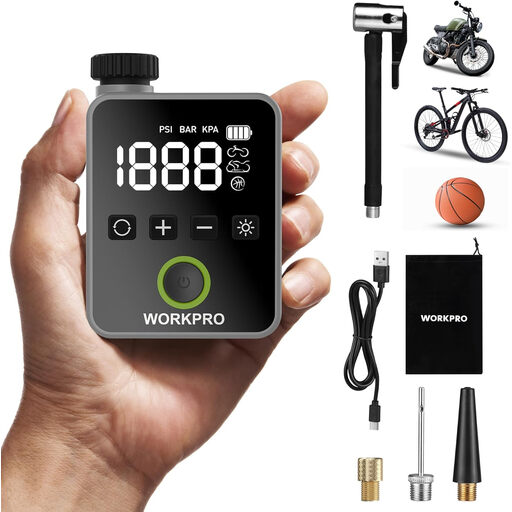
Why this product fits the profile: This compact cordless device weighs 270 g according to the product specs and offers pre-set modes for bicycle, motorbike and balls. It’s ideal for occasional pressure corrections in everyday use.
The digital display, three selectable units and automatic shut-off make operation more straightforward than a pump without pressure control.
Pressure range from 3 to 140 PSI, four nozzles and LED/SOS function according to the product description. Not intended for lorry or trailer tyres.
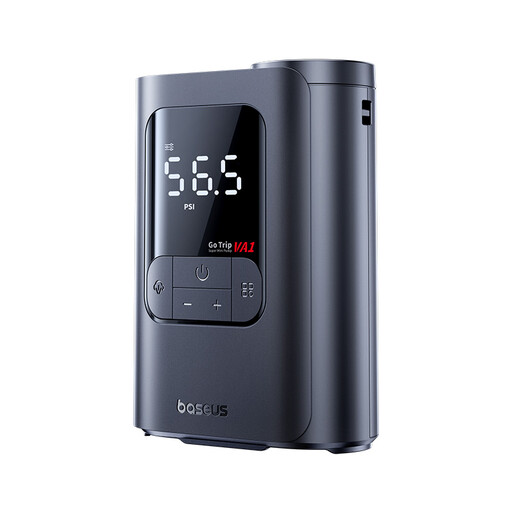
Why this product fits the profile: This battery-powered air pump combines a compact format with five inflation modes and a stated pressure accuracy of ±0.05 bar. It appeals to users who want to look after various vehicles and leisure items.
The pre-set modes and manual setting help you avoid choosing based solely on the advertised maximum number.
2,500 mAh battery, USB-C charging, three nozzles and automatic shut-off according to the manufacturer’s specifications.
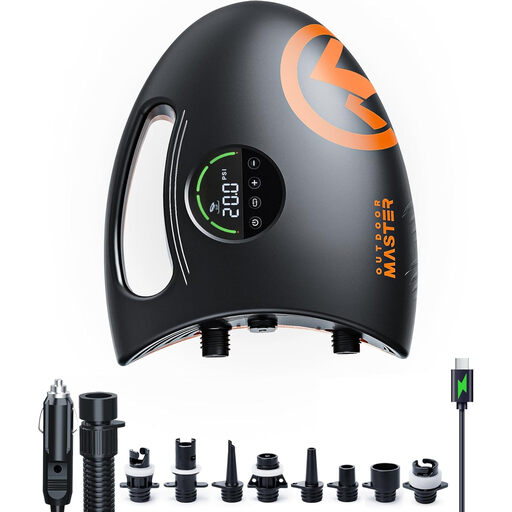
Why this product fits the profile: For SUP users, a different design is needed compared to a car tyre pump. This model is designed for inflatable boards and boats and offers both inflation and deflation.
The two-stage operation handles both fast filling and the pressure phase. A digital shut-off limits the set value.
88.8 Wh battery, up to 20 PSI, eight nozzles and Type-C as well as 12-volt/15.8-volt inputs according to the product description.
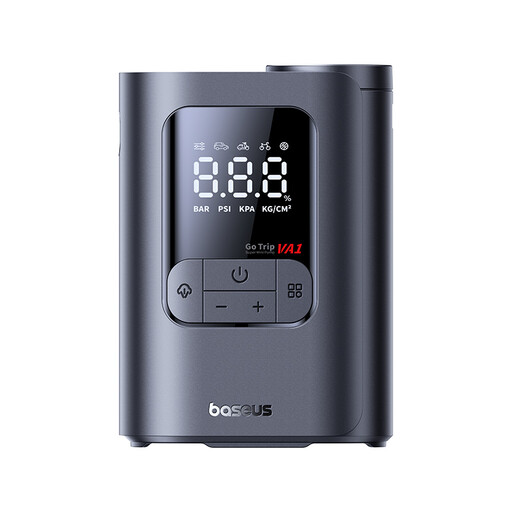
Why this product fits the profile: This corded model runs directly from the car’s power supply. It’s therefore ideal for drivers who don’t want to worry about a pump battery.
The absence of a built-in battery prevents the device from being unusable due to a flat power source. A suitable vehicle power supply is required.
Five modes, adjustable range from 3 to 150 PSI and three light modes according to the manufacturer. Stated inflation time: 40 seconds for a pressure correction on a 175/65 R14 tyre.
We’ve put together a complete, regularly updated list of products that fully meet these strict selection criteria and the safety regulations in force in the EU.
That depends on the intended use. Bicycle and car tyres usually need a precise setting within the respective manufacturer’s range. For many applications, a device with 100 to 150 PSI is sufficient. However, a higher maximum value does not automatically mean faster inflation.
According to product specifications, compact models can fill even heavily deflated car tyres, depending on tyre size and starting pressure. The actual time depends on the battery, airflow rate, temperature and tyre volume. For regular use on several tyres, pay attention to run time and break intervals.
The lifespan depends on charging cycles, storage, temperature and usage. A battery that is kept dry and not permanently fully discharged will generally remain usable for longer. For emergencies in the car, it’s advisable to check the charge level regularly and not to expose the device to extreme heat for extended periods.