
Lieferung heute & morgen

Qualitätsgarantie

Willkommens-Angebote freischalten: KOSTENLOSE Lieferung | Bis zu 80 % RABATT | Kostenlose 30-Tage-JoyPlus-Testphase
App herunterladen
Choosing an electric breast pump can quickly feel overwhelming. The market is filled with models that promise a wide variety of features. However, not every innovation is practical for daily use, and some highly-praised features turn out to be marketing traps. This guide will help you identify the essential features and avoid common pitfalls, ensuring you find a model that truly fits your lifestyle.
Before we dive into the important technical details, let's highlight the three most common issues that lead to frustration and unnecessary expense when choosing an electric breast pump.
To avoid these pitfalls, you should focus on three objective criteria. These determine how effective and comfortable an electric breast pump truly is in everyday life.
The breast shield is the direct interface with your body. Its fit is critical. Look for models that include multiple sizes in the box from the start. This saves you the follow-up search and additional costs. The material should be made of food-grade, BPA-free silicone. Some modern designs combine soft and hard silicone components for a better seal and enhanced comfort.
Modern breast pumps often use a 2-phase technology that mimics a baby's natural sucking pattern: a rapid stimulation phase to trigger the milk let-down reflex, followed by a slower, deeper expression phase. Also important are multiple adjustable suction levels for both phases. This allows you to tailor the intensity to your personal comfort. A double breast pump, which allows for pumping from both sides simultaneously, can significantly reduce pumping time and is worth considering for mothers who are short on time.
For maximum flexibility, a portable breast pump is ideal. There are two main types: compact models with an external motor and completely hands-free breast pumps (wearables) that are worn directly inside a nursing bra. Pay attention to the following points:
Instead of making a blanket recommendation, we have matched models based on different lifestyles and requirements.
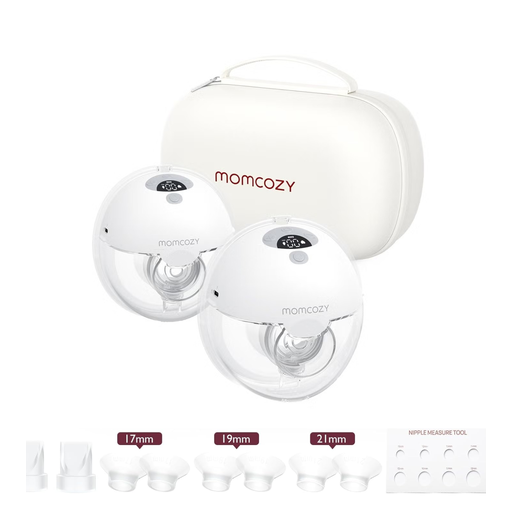
Why This Fits Their Persona: This model is designed for mothers who need to work, manage household tasks, or care for other children while pumping. The wearable design allows for maximum discretion and freedom of movement without tubes or wires.
Bypasses the "one-size-fits-all" trap by including four different flange sizes (17/19/21/24mm). The lightweight, in-bra design solves the problem of noise and lack of discretion.
Completely hands-free design for multitasking. Three modes and nine suction levels for customised comfort. Lightweight at only 225g per unit.
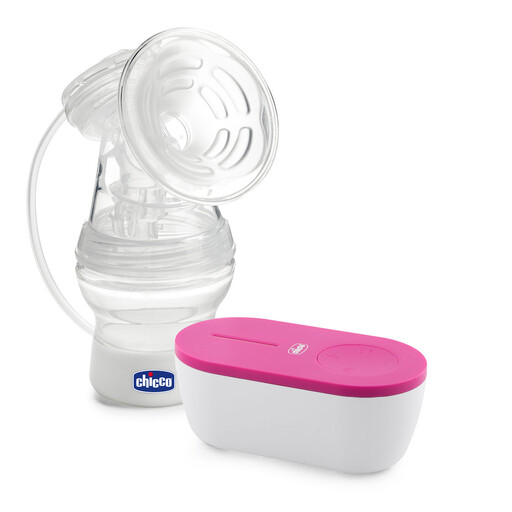
Why This Fits Their Persona: Ideal for mothers who only plan to pump occasionally or are looking for a budget-friendly yet reliable entry-level solution. Its compact size makes it a great choice for travel or occasional use outside the home.
Focuses on core functions without expensive extras. USB charging offers flexibility and avoids the problem of proprietary power adapters. The design is geared towards ease of use, not exaggerated performance claims.
Very lightweight and compact, fits in a handbag. Features 2-phase technology with 5 intensity levels. Simple operation via a digital display.
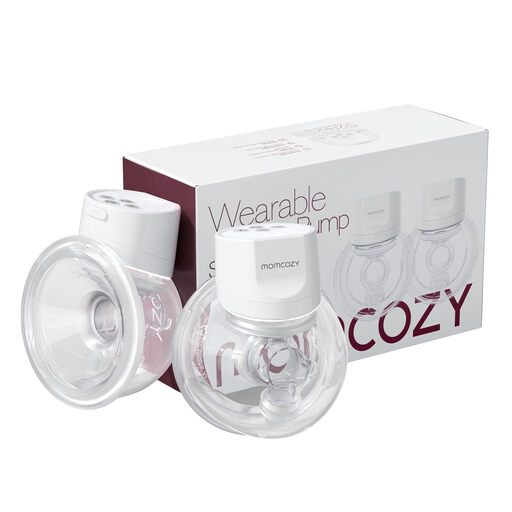
Why This Fits Their Persona: Perfect for mothers who need to establish or maintain their milk supply while spending as little time as possible. Pumping both sides at once maximises efficiency with every session.
Offers a long battery life of up to 180 minutes, countering the pitfall of weak battery performance. It also includes multiple flange sizes for an optimal fit and efficiency.
Efficient double pumping as a dual breast pump. A special "Ideal Rhythm" mode is designed, according to the manufacturer, to promote milk flow. The milk collector's design makes transferring milk easier.
We have compiled a complete, up-to-date list of products that fully meet these strict selection criteria and UK safety regulations.
All parts that come into contact with breast milk must be disassembled and cleaned after each use. Wash them with warm, soapy water and rinse thoroughly. Most parts can be sterilised daily, either by boiling or in a dedicated bottle steriliser. The motor unit must never be submerged in water and should only be wiped with a damp cloth. Always follow the manufacturer's specific instructions.
A single breast pump expresses milk from one breast at a time. It is often more affordable and compact. A double breast pump allows for simultaneous pumping of both breasts. This not only cuts the pumping time in half but, according to studies, can also better stimulate the milk let-down reflex and potentially increase milk volume.
The breast shield should enclose your nipple without pulling the areola (the darker area around the nipple) into the tunnel. Your nipple should be able to move freely within the tunnel. If the shield rubs or pinches, it is too small. If too much of the areola is drawn in, it is too large. Many manufacturers offer printable measurement templates on their websites to help you determine the correct size.