What to look for when buying
| What you need |
What to check when buying |
Who it matters most to |
| Measuring juice for dressing |
Check that the cone and strainer suit the fruit you’ll be using, and see how the juice is collected. Adjustable pulp settings may also be useful. |
If I’m adding lemon or lime juice to a dressing, I want to be able to control the pulp and pips. Around 36% of consumers are likely to make this their top priority. |
| Cleaning after juicing |
Check the instructions to see which parts can be removed and which are dishwasher-safe. This does not automatically apply to the motor unit. |
If I juice regularly, I want to know which parts that come into contact with juice are easy to clean. Around 29% of consumers are likely to put cleaning first. |
| Collecting several servings |
Compare the stated jug capacity with a direct spout, and check whether your own glass will fit underneath. |
If I’m collecting juice for several people at family breakfast, I want a practical way to collect it. Around 21% of consumers are likely to prioritise making several servings at once. |
| How it works and how much space it takes up |
Check whether the juicer works by pressing down on the cone or using a lever, and whether its stated dimensions fit the space you have available. |
If I prefer a particular way of operating a juicer or have limited space, it needs to suit me in terms of handling and size. Around 14% of consumers are likely to prioritise this. |
Also check that parts designed to come into contact with juice meet the requirements for materials intended to come into contact with food. The European Commission sets out the EU legal framework in Regulation (EC) No 1935/2004.
Joybuy products
This selection features electric citrus juicers for dressing and breakfast portions. For each model, check whether the parts designed to come into contact with juice meet the requirements for materials intended to come into contact with food. The European Commission explains the EU legal framework in Regulation (EC) No 1935/2004.
 No image available
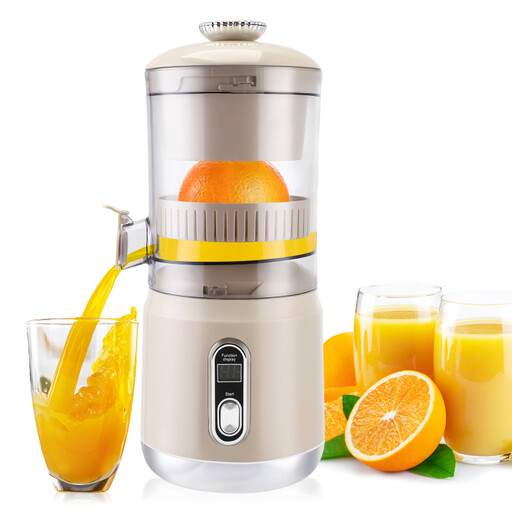
White electric citrus juicer with anti-drip spout
The anti-drip spout is useful for collecting lemon or lime juice neatly.
Removable parts are listed as dishwasher-safe. The maximum fruit diameter is stated as 7.5 cm.
Joybuy
 No image available
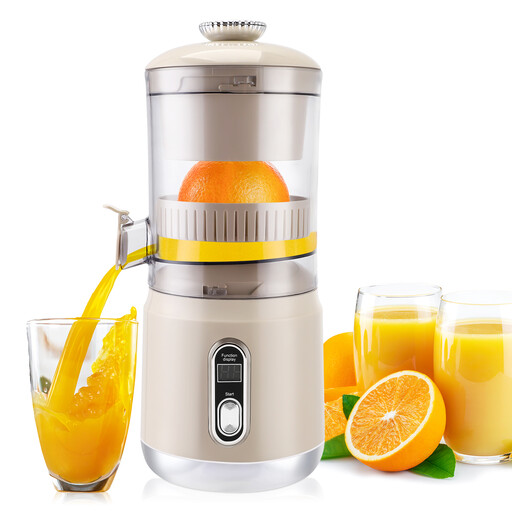
Electric citrus juicer for oranges and lemons
The product details list oranges, lemons and other citrus fruit as suitable for juicing.
A juice collector, a pulp separation system and removable parts are also described.
Joybuy
 No image available
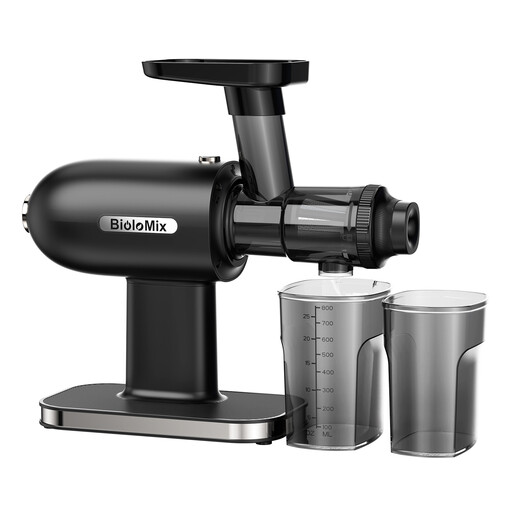
BioloMix SJ012 citrus juicer, 800 ml
The product details list lemons and limes as suitable fruit.
The stated capacity is 800 ml; the cleaning instructions describe taking the juicer apart.
Joybuy
 No image available
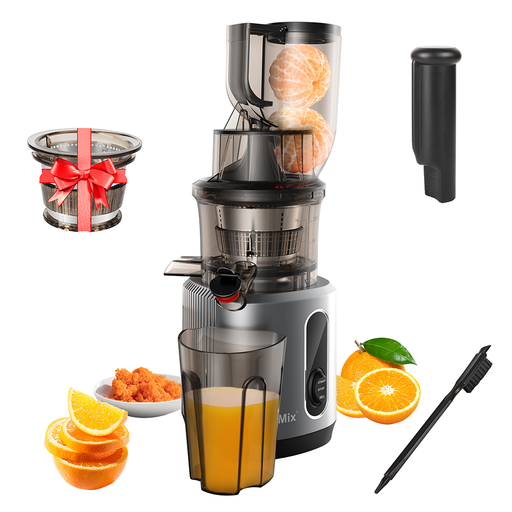
BioloMix 916 citrus juicer, 700 ml
The stated 700 ml capacity is useful for making several breakfast servings.
The product details list a power rating of 200 W and removable parts described as dishwasher-safe.
Joybuy
 No image available
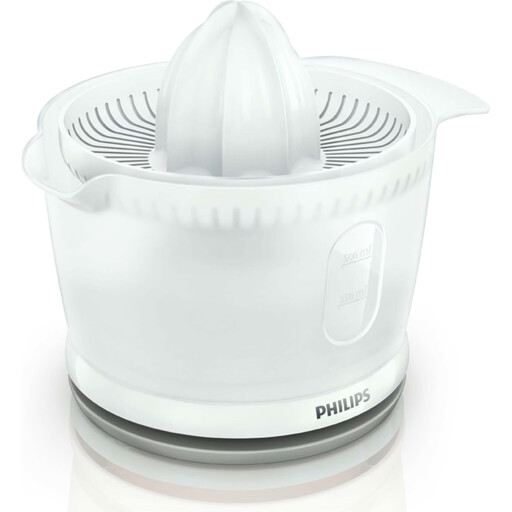
Philips HR2738/00 citrus juicer, 25 W, 500 ml
The 500 ml juice jug is useful for collecting juice for dressings or breakfast.
The product details list a drip-free spout, cord storage and dishwasher-safe removable parts.
Joybuy
Frequently asked questions
Do I need a large juice jug for lemon and lime dressing?
No, not just for dressing. Look for a cone that suits the fruit, an accessible strainer and a way to collect the juice that lets you measure out the amount you need. A larger collection jug can be useful if you’re also making several servings for breakfast.
Which parts of an electric citrus juicer can go in the dishwasher?
It depends on the model and which parts can be removed. For the ZP 60/E, Rommelsbacher lists the juicing cones, strainer, juice collection jug and lid as dishwasher-safe. For other models, check the instructions for each part individually and don’t assume this applies to the motor unit.
What are my rights in Germany if an appliance I bought online is faulty or I want to return it?
If a product is faulty, your statutory rights are against the seller and are separate from any voluntary guarantee. For a consumer purchase made online, you generally have a 14-day right to cancel; the terms of the specific contract determine what applies. This information is based on guidance from Verbraucherzentrale dated 13 August and 28 September 2026.
What requirements apply to parts that come into contact with juice, and how should I dispose of the juicer?
Parts designed to come into contact with juice must meet EU requirements for materials intended to come into contact with food. The European Commission explains the framework in Regulation (EC) No 1935/2004. In Germany, end-of-life electric juicers should be taken to an authorised collection point for waste electrical and electronic equipment, not put in household rubbish, as explained by the Federal Ministry for the Environment.


