For a single glass during your break
If you usually juice one portion and want to drink it straight away, a direct spout means you don’t need an extra juice jug. WMF describes the Stelio as having this type of spout.


If you want a single glass of orange juice for your afternoon break, an electric juicer with a direct spout is an obvious choice. A model with a jug is better suited to collecting juice or adjusting the amount of pulp. A lever arm may be worth considering if you prefer that way of juicing, but remember to take its footprint and cleaning into account too.
If you usually juice one portion and want to drink it straight away, a direct spout means you don’t need an extra juice jug. WMF describes the Stelio as having this type of spout.
If you juice several oranges in a row or want to pour the juice later, look at whether there’s a collection jug and check its capacity. Severin lists a 1.0-l jug for the CP 3535; Bosch describes the MCP72GPB as having a 1.0-l glass carafe and a small collection container.
If you want to adjust the texture of your juice, consider models such as the Braun CitrusQuick 1 CJ3000WH or the Severin CP 3535. If you specifically prefer a lever arm, take a look at the CASO CP 300. Not every model combines these features.
First decide whether you want the juice to flow straight into your glass or to collect several portions. Then compare cleaning, your preferred juice texture and how the juicer works.
A good fit if: you usually have one glass during your break and want to collect the juice without pouring it from one container into another. WMF describes the Stelio as having a direct spout.
Consider: You’ll need to place a suitably sized glass under the spout. A separate jug is more practical if you want to collect several portions.
A good fit if: you juice several oranges in a row or want to pour the juice later. Severin lists a 1.0-l jug and adjustable pulp control for the CP 3535.
Consider: The jug is an extra part to clean. According to the manufacturer, the individual parts of the CP 3535 are not dishwasher-safe.
A good fit if: you’d rather press the fruit onto the juicing cone using a lever. CASO describes the CP 300 as working this way.
Consider: According to the manufacturer, the CASO CP 300 measures 205 × 320 × 320 mm and weighs 2.7 kg. Check that you have enough space where you plan to use it.
| What matters to you | What to check before buying | Who might find this particularly important |
|---|---|---|
| Cleaning up after a break | Check which parts are removable and whether the model’s instructions say they’re dishwasher-safe. | If I don’t want to spend ages washing up by hand after a short break, I check whether each part is dishwasher-safe; around 33% of consumers put cleaning first. |
| Collecting a glassful directly | Check the spout, drip-stop feature and space for a glass underneath. | If I want to drink the juice straight away, I want to collect it without pouring it into another container; around 25% of consumers say a direct-to-glass spout is their top priority. |
| Collecting several portions | Compare the jug capacity and how it’s cleaned; capacity doesn’t guarantee a particular juice yield. | If I’m juicing several oranges in a row, I want to collect the juice first; around 17% of consumers prioritise a collection jug for this reason. |
| Adjusting the amount of pulp | Check whether you can adjust the pulp level and how to clean the sieve and pulp residue. | If I want to choose the texture of my juice, I look for adjustable settings; around 17% of consumers put this at the top of their list. |
| Lever operation | Check how the lever works, as well as the height, footprint and weight of the juicer where you plan to use it. | If I specifically want to juice fruit using a lever, I check that the design will fit my available space; around 8% of consumers prioritise lever operation. |
According to the manufacturer, the individual parts of the Severin CP 3535 are not dishwasher-safe. Plan to wash these parts by hand.
Before putting anything in the dishwasher, check the cleaning instructions for the exact model and each relevant part.
The 1.0-l figure for the Severin CP 3535 refers to the jug’s capacity, not the amount of juice you’ll get from a certain number of oranges.
Choose a jug size based on how much juice you want to collect, and don’t use it to estimate the yield per fruit.
According to the manufacturer, the CASO CP 300 has a 160 W motor and a lever arm. Its wattage isn’t an independent test of juice yield.
Compare how it works, its footprint, spout and cleaning requirements too, rather than basing your choice on power alone.
The CitrusQuick 1 CJ3000WH is a jug model for anyone who wants to adjust the amount of pulp in their juice.
The Stelio is designed for anyone who wants to juice straight into a glass and use different sizes of citrus fruit.
The CP 3535 combines a 1.0-l jug with adjustable pulp control.
The MCP72GPB comes with a small collection container and a 1.0-l glass carafe for different batch sizes.
The CP 300 is an electric lever juicer with a universal juicing cone and direct spout.
This selection includes electric citrus juicers for home use, including models with collection jugs and cleaning features.
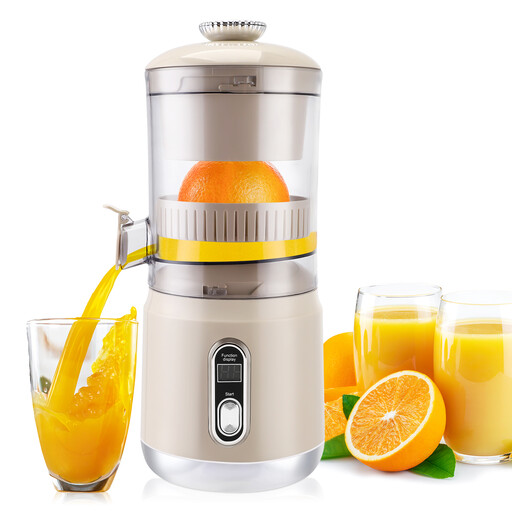 No image available
Could be a good option if you juice oranges or other citrus fruit and want to collect the juice first.
The title highlights its large capacity; according to the product description, the parts can be removed and rinsed under running water.
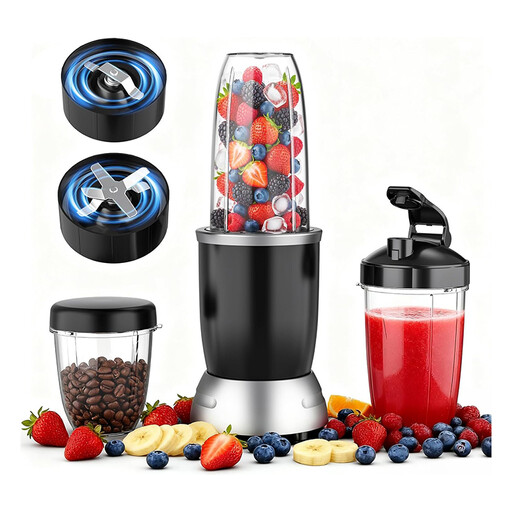 No image available
Listed as a citrus juicer; the product description mentions a self-cleaning function and removable, dishwasher-safe parts.
The product title lists a 1200 W motor. Before buying, check which functions and parts are relevant to how you plan to use it.
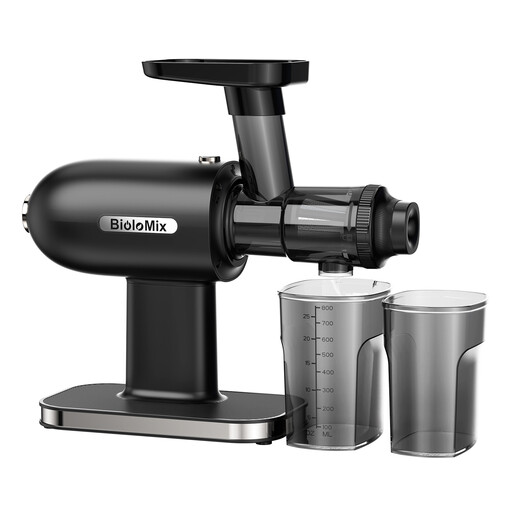 No image available
The stated capacity of 800 ml can help you decide how much juice you want to collect; it doesn’t tell you how much juice you’ll get from each fruit.
The product description mentions one-step dismantling and easy cleaning.
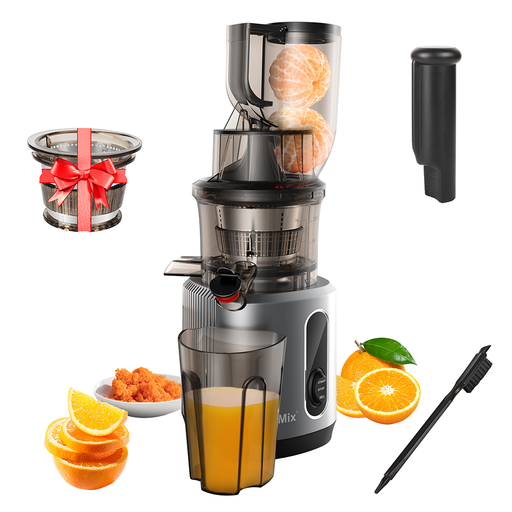 No image available
If you want to collect the juice, the product title lists a capacity of 700 ml.
The title lists 200 W; the product description specifies dishwasher-safe components.
 No image available
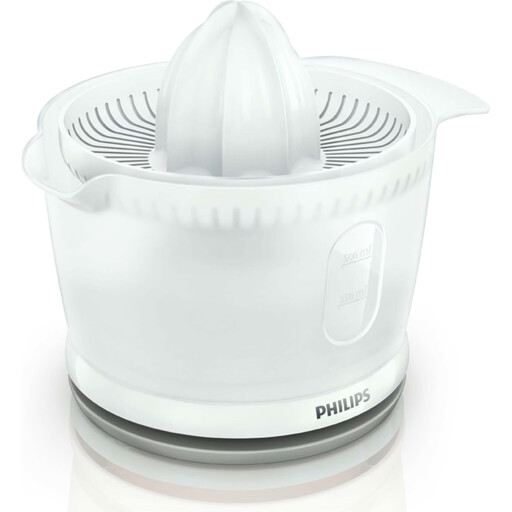
For one portion or a small batch, the product description lists a 500 ml juice jug.
The title lists 25 W. According to the product description, the removable parts are dishwasher-safe. It also mentions a drip spout and built-in cord storage.
If you want to drink the juice straight away, a model with a direct-to-glass spout, such as the WMF Stelio, is a good option. If you want to adjust the amount of pulp, consider a suitably equipped jug model such as the Braun CJ3000WH.
It depends on the model and the individual part: WMF describes some parts of the Stelio as dishwasher-safe, while Severin says the individual parts of the CP 3535 are not. Check which parts are dishwasher-safe, and clean the motor base only as instructed for the specific appliance.
Your statutory rights apply in relation to the seller; a guarantee is an additional voluntary promise with its own terms. The Verbraucherzentrale (German consumer advice centre) makes a clear distinction between these rights. If there’s a fault, contact the seller first to ask them to put it right.
Parts that come into contact with food must meet the requirements for food contact materials, as described by the European Commission. For electrical appliances covered by the relevant EU rules, the CE mark is the manufacturer’s declaration of conformity, not an independent EU test certificate. Check which rules apply to the specific appliance.
In Germany, electrical waste must not go in household rubbish. The Umweltbundesamt (German Environment Agency) lists local recycling centres and suitable take-back points at retailers as possible disposal options.