Limes for individual drinks
If you usually juice just a few limes, look for a suitably small cone and consider how you’d like to serve the juice.


For juicing the occasional lime at your holiday cottage, choose a press that specifically says it is suitable for limes or has a small cone. Then consider whether you’d rather juice straight into a glass or use a collecting container. If you’ll be using it regularly, also check how to clean the removable parts, as well as the space and power connection required by the model.
If you usually juice just a few limes, look for a suitably small cone and consider how you’d like to serve the juice.
If you’ll be using it regularly, pay attention to the spout, removable parts and the cleaning instructions for the specific model.
If you’re preparing several portions, compare a collecting container with juicing straight into individual glasses.
| Buying priority | What to look for | Who is it most relevant to? |
|---|---|---|
| Suitable for small limes | Check whether limes are specifically mentioned and whether a small cone is included. | If I mainly juice small limes, I want to know whether the cone is the right size. Around 36% of consumers are likely to prioritise a good fit for limes in this scenario. |
| Cleaning after juicing | Check which parts are removable and which the manufacturer says are dishwasher-safe. | If I’m juicing regularly at my holiday cottage, I want to clean the parts without unnecessary effort. Cleaning is likely to be the deciding factor for roughly 29% of consumers. |
| Space and power connection | Check the appliance dimensions and cable length, and make sure the plug is compatible with the kitchen where you’ll be using it. | If worktop space is limited, the juicer needs to fit and work with the available power connection. Around 21% of consumers are likely to prioritise space and access to power. |
| Portion size and juice collection | Check whether you’d like to juice straight into a glass or use a container with a suitable capacity and, if needed, a measuring scale. | For individual drinks, I want to juice straight into a glass; for several portions, a collecting container with a measuring scale is useful. Portion size and juice collection are likely to be the main priorities for around 14% of consumers. |
Instructions vary by model: WMF says that parts of the Stelio are dishwasher-safe, while Severin specifically says that the individual parts of the CP 3535 are not.
Check the manual to see which removable parts can be cleaned this way. Never put the powered base in the dishwasher.
Different power ratings and designs do not, on their own, provide comparable evidence of juice yield.
Choose based first on whether it suits limes, the number of portions you need, ease of use and cleaning. Treat claims about juice yield as statements made by the manufacturer.
A direct spout requires a glass that fits underneath. A container collects juice for several portions and may have a measuring scale, depending on the model.
Choose how the juice is collected based on your usual portion size: juice straight into a glass for individual drinks, or use a container if you’re preparing several portions.
Braun describes the CJ3000WH as a press that starts when you press down, with adjustable pulp control. For the MPZ9, the manufacturer specifically lists limes as suitable and includes a 1-l container with a measuring scale.
WMF lists two press cones, suitability for limes and a spout that pours straight into a glass for the Stelio.
For the CP 3535, Severin lists two press cones in different sizes and a container with a 1.0 l capacity.
Princess specifically lists the Master Juicer Pro 201860 as suitable for limes, with a lever press and direct spout.
The following products at Joybuy range from juicers specifically listed as suitable for limes to models designed for other citrus fruits or general juicing. If limes are not specifically mentioned, check which fruits the particular model is listed as suitable for.
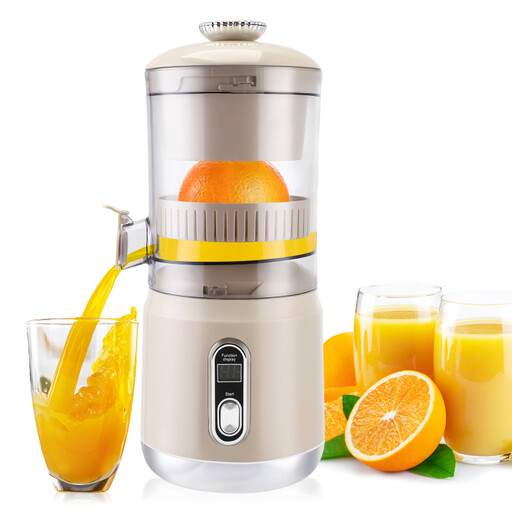 No image available
Listed as suitable for limes; suitable for fruit with a maximum diameter of 7.5 cm.
Described as cordless; the removable parts are listed as dishwasher-safe.
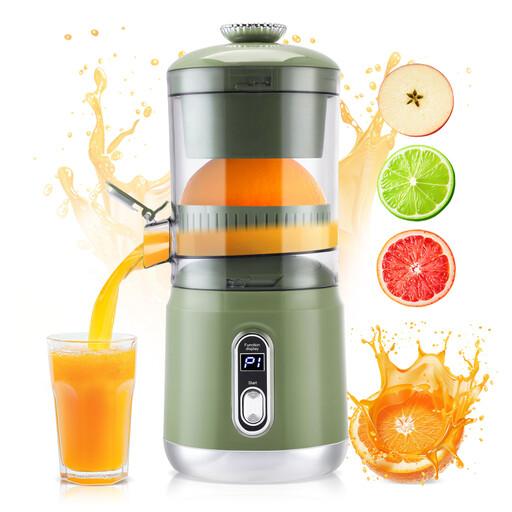 No image available
The product information describes this as an electric juicer for the home kitchen.
The design is described as easy to clean. Before buying, check that the appliance is suitable for the fruit you want to juice.
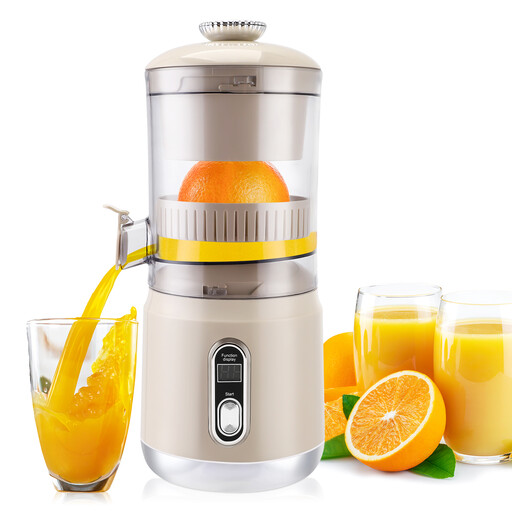 No image available
Limes are specifically listed as a suitable fruit in the product description.
The juice is collected in a removable container; the description also mentions a pulp separator.
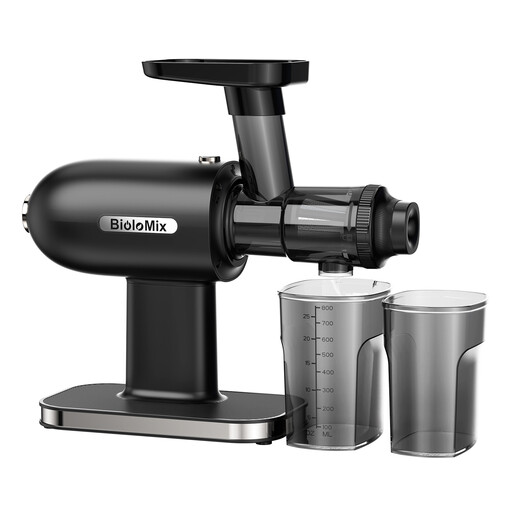 No image available
Limes are listed as a suitable fruit in the product description.
The product listing gives a capacity of 800 ml and says it can be dismantled in one step for cleaning.
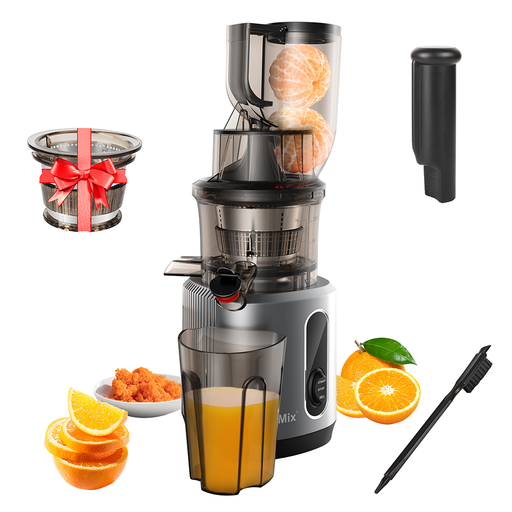 No image available
The product description lists oranges, grapefruits and lemons. If you want to juice limes, check whether they’re suitable for this model before buying.
The product listing gives a capacity of 700 ml and a power rating of 200 W.
Check the fruit information or see whether the specific model comes with a small cone. WMF lists two cones and suitability for limes for the Stelio; Braun lists limes for the MPZ9. A general description as an orange juicer does not prove that it is suitable for limes.
No, it depends on the model and the individual parts. WMF lists dishwasher-safe parts for the Stelio, while Severin specifically says that the individual parts of the CP 3535 are not dishwasher-safe. Follow the instructions for your model and never put the powered base in the dishwasher.
Your statutory rights against the seller are separate from any voluntary guarantee offered by the manufacturer or retailer. If there is a fault, Verbraucherzentrale explains that you should first request a remedy, which means a repair or replacement. Guarantee terms may provide separate cover.
Electrical appliances covered by the EU Low Voltage Directive must meet its safety requirements and CE marking rules. These include appliances with a rated voltage of 50 to 1,000 V AC. EU rules also apply to materials that come into contact with food: under normal or foreseeable conditions of use, they must not release substances into food in amounts that could endanger health. The CE mark is the manufacturer’s declaration of conformity, not proof of an independent product test. Check the markings on the specific appliance being sold.
No. The German Environment Agency explains that old electrical appliances must be collected separately. Recycling centres and suitable take-back points at retailers are among the disposal options.