Making lemonade by the glass
If you usually want to juice straight into your drinking glass for an afternoon break, check the spout, the space for your glass and the drip stop. WMF lists these features for the Stelio.


For a single lemonade made straight into a glass, an electric citrus juicer with a direct spout is a good fit, provided there’s room for your glass underneath. If you’re making several servings or want to adjust the amount of pulp, a model with a container is an obvious choice. Lever models are worth considering if you’d rather guide the fruit with a lever while juicing, though they can take up more space. The features mentioned are based on manufacturers’ specifications, not on a comparative performance test.
If you usually want to juice straight into your drinking glass for an afternoon break, check the spout, the space for your glass and the drip stop. WMF lists these features for the Stelio.
If you want to collect the juice first or control the amount of pulp, the container, sieve and pouring function are important things to check. Braun describes a pulp setting for the CJ3000WH; Bosch lists a removable 800-ml container for the MCP3500N.
If you often juice several fruits or a variety of sizes, compare the lever mechanism, the choice of juicing cones and how easy removable parts are to clean. CASO and Ariete describe lever models with their own cone options.
A good fit if: You want to juice straight into a glass for a single serving. WMF lists a direct spout, drip stop and two juicing cones for the Stelio.
Check: Whether your glass fits under the spout, and whether you’d rather collect the juice when making several servings.
A good fit if: You want to collect the juice, use it for several servings or adjust the amount of pulp. Braun describes this kind of setting for the CJ3000WH.
Bear in mind: The juice is collected in the container first, rather than flowing straight into your drinking glass.
A good fit if: You want to guide the fruit with a lever while juicing. CASO describes a universal juicing cone for the CP 300; Ariete lists two cones for the 0413/03.
Bear in mind: According to the manufacturer, the CASO CP 300 requires a footprint of 205 × 320 × 320 mm and weighs 2.7 kg. This does not prove that it produces more juice or requires less effort, based on independent measurements.
| Priority | What to check when buying | Who it matters most to |
|---|---|---|
| Juice straight into a glass | The shape of the spout, space for your glass and the drip stop. | If I want to prepare one serving without transferring the juice, my glass needs to fit under the spout. Around 40% of consumers prioritise juicing straight into a glass. |
| Easy cleaning after a break | Which parts that come into contact with the juice are removable, and which of them the instructions say are dishwasher-safe. | If I want to clean the juicer quickly after a short session, I look for easily accessible parts and clear cleaning instructions. Around 30% of consumers prioritise easy cleaning. |
| Collecting juice and adjusting the pulp | Container capacity, ease of pouring and whether there is a pulp setting. | If I want to collect juice for several glasses or choose the amount of pulp, I need a suitable container and the right setting. Around 20% of consumers put this need first. |
| Lever and suitable cones | Whether the cones are suitable for small lemons or limes, and how much space the appliance needs. | If I want to juice different citrus fruits with a lever, I compare the choice of cones and the space required. Around 10% of consumers prioritise a lever mechanism and suitability for different fruit sizes. |
The wattage on its own doesn’t tell you whether the cone suits the size of your lemons or whether the juicer will be comfortable for you to use.
First decide how you want to juice, which cone shape you need and how you’d like to use the appliance. Compare power ratings after that, and don’t use them to make unsupported claims about juice yield.
Manufacturers’ claims apply to specific parts, not automatically to every component or the motor unit. WMF lists certain parts of the Stelio as suitable; CASO’s claim applies to removable individual parts of the CP 300.
Check the instructions for the exact model to see which parts can be removed and washed in the dishwasher.
The dimensions and weight listed on one Ariete product page differ from the manufacturer’s specifications for the 0413/03, so they don’t confirm that it’s an identical replacement.
Check the full model number and the specifications that matter to you before associating a listing with a particular model.
The CitrusQuick 1 CJ3000WH is a model with a container and an adjustable pulp setting.
The Stelio is a freestanding juicer with a direct spout and two juicing cones for citrus fruits of different sizes.
The CP 300 is an electric lever press with a universal juicing cone.
The Vintage 0413/03 is a lever model with a small and a large juicing cone.
The MCP3500N is a documented example of a container juicer with pulp control and a removable collection container.
This selection includes electric citrus juicers for collecting, adjusting or dispensing juice straight into a glass, as well as lever models for making fresh lemonade.
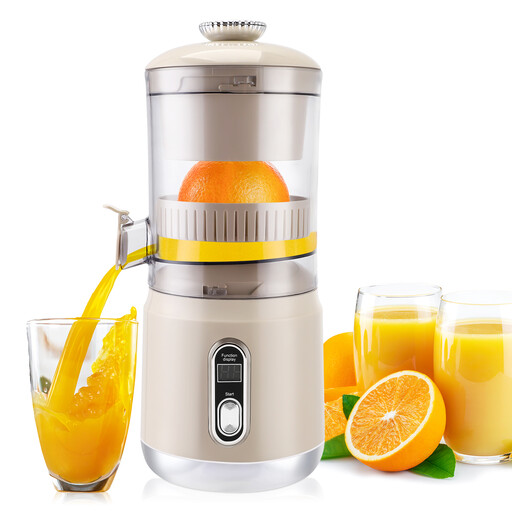 No image available
For fresh juice from lemons and other citrus fruits; the description lists removable juice-contact parts.
The cone and collection container can be removed, according to the description.
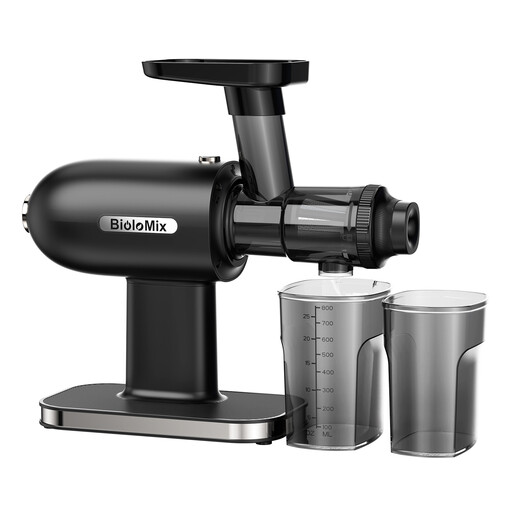 No image available
For lemons and limes when you want to collect the juice in a container.
The product is listed with an 800 ml capacity; the description says it can be taken apart for cleaning.
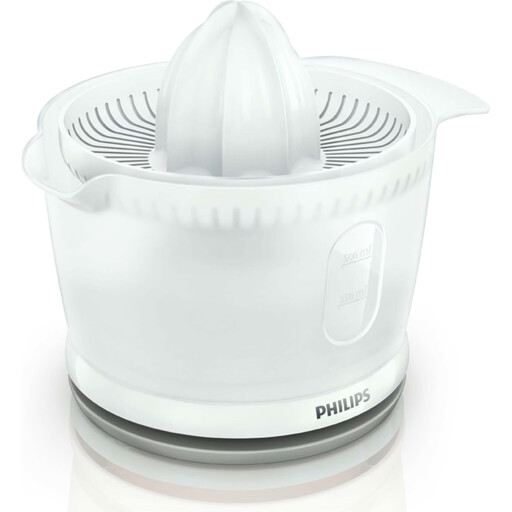 No image available
For lemon juice that you want to collect first and pour into a glass later.
The description lists a 500 ml juice container, a drip-free spout and removable, dishwasher-safe parts. The juice is collected in the container before being poured.
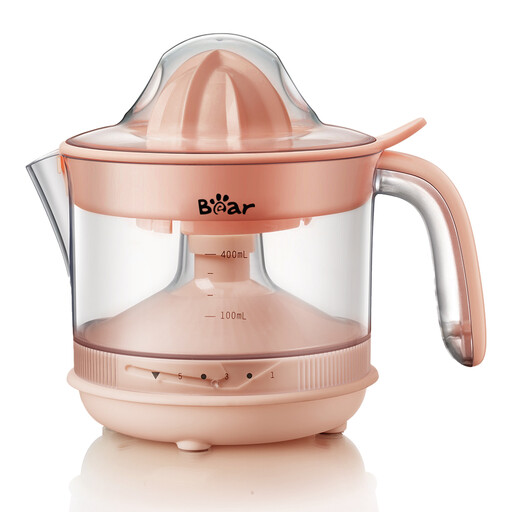 No image available
For lemon or orange juice when you want to adjust the amount of pulp.
The description lists five pulp settings, a removable design and a non-slip base.
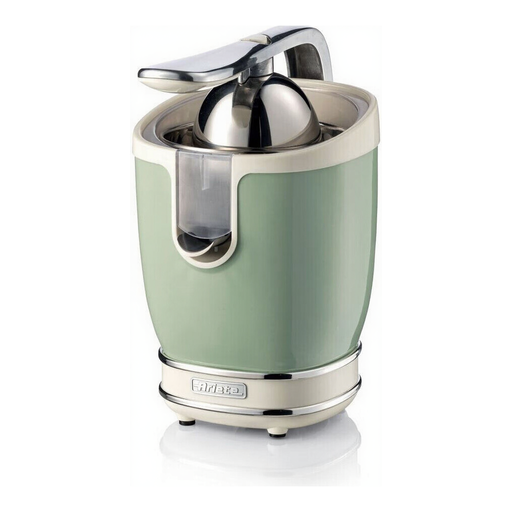 No image available
For a serving of lemonade when you want to press the juice with a lever and dispense it into a glass.
The description lists two juicing cones and a drip-free spout. The manufacturer’s instructions say not to immerse the motor unit.
Juice the lemon, then mix the juice in a glass with water and any other ingredients you like. If your juicer has a direct spout, check that your glass fits underneath; with a model that has a container, pour the juice into your glass afterwards. Follow the instructions for the specific appliance.
This depends on the model and the individual parts. WMF says certain parts of the Stelio are dishwasher-safe; CASO makes this claim for removable individual parts of the CP 300. Check the instructions for the exact model rather than assuming the claim applies to the motor base or other parts.
If a product is faulty, the seller is generally responsible for dealing with your statutory consumer rights. The Verbraucherzentrale states that new goods are covered for two years from delivery. Online purchases generally come with a 14-day right to cancel, which you must notify the retailer that you wish to exercise. This is separate from any voluntary manufacturer’s guarantee.
According to the European Commission, food-contact materials placed on the market in the EU are subject, among other rules, to Regulation (EC) No 1935/2004. A material description alone does not confirm that an individual appliance complies. In Germany, electrical appliances at the end of their life must not be put in household waste; the Umweltbundesamt lists local collection points and suitable take-back options at retailers.