
Lieferung heute & morgen

Qualitätsgarantie

Willkommens-Angebote freischalten: KOSTENLOSE Lieferung | Bis zu 80 % RABATT | Kostenlose 30-Tage-JoyPlus-Testphase
App herunterladen
Electric cleaning appliances can make regular household chores easier – provided you choose a model that suits the surface and the job. However, electric cleaning brushes, wet and dry vacuum cleaners, pressure washer accessories and foot-care devices all work quite differently. If you focus only on motor power, battery life or the number of accessories, you could end up with a device that quickly becomes impractical.
A comprehensive set of accessories may sound practical at first. What matters, though, is whether the attachments suit the surfaces you want to clean and are easy to wash. Grout, glass, tiles and taps, for example, call for brushes with different levels of firmness. With a foot-care device, it’s important to check that the sanding heads are compatible and can be replaced regularly.
An IP rating describes protection against certain conditions under specific test circumstances. It doesn’t automatically mean that every component can be submerged for long periods. Follow the instructions for the battery, charging port, power supply and openings in the casing. After cleaning, let the device dry completely before charging or storing it.
Wattage, rotation speed and stated cleaning area are just some of the figures to consider. Weight, handle position, running time, tank capacity, availability of spare parts and cleaning effort matter just as much. A device with lots of features may not be the right choice if its battery can’t cover the area you need to clean or its brushes are difficult to wash after every use.
For balconies, patios, driveways and steps, a pressure washer surface cleaner or a dedicated patio and balcony cleaner can be a good choice. These direct water and dirt more effectively than an unrestricted high-pressure jet. For delicate materials such as wood, painted surfaces and natural stone, make sure the pressure, distance and cleaning product are suitable for the surface.
In the bathroom, a bath and tile cleaner with rotating brushes is handy for reaching grout, shower surfaces and edges. Check whether the brush head can be replaced and whether the design lets you work with less bending.
Mains-powered devices provide a consistent power supply, but you’ll need a suitable socket and a cable that’s long enough. If you’re looking at a cordless cleaning brush, check the battery capacity, charging time and availability of replacement batteries or parts. Stated running times often depend on the speed setting, brush attachment and workload.
Tank capacity is also important for wet and dry vacuum cleaners. A separate clean and dirty water system stops water that’s already been collected from being spread back over the floor. After every use, check the roller, filter and tanks to help prevent odours and performance issues.
Brushes, rollers and filters are wear-and-tear parts, so check that replacements are available before you buy. For certain Scholl foot-care devices, for example, you can buy Scholl replacement rollers with diamond particles. Make sure the roller is compatible with your exact model; not every roller fits every foot-care device.
Use electric hard skin removers according to the instructions. They’re designed to help with everyday foot care, not to be used as medical instruments. Stop using the device if you experience pain, skin injuries or unusual changes to your skin, and seek medical advice if necessary.
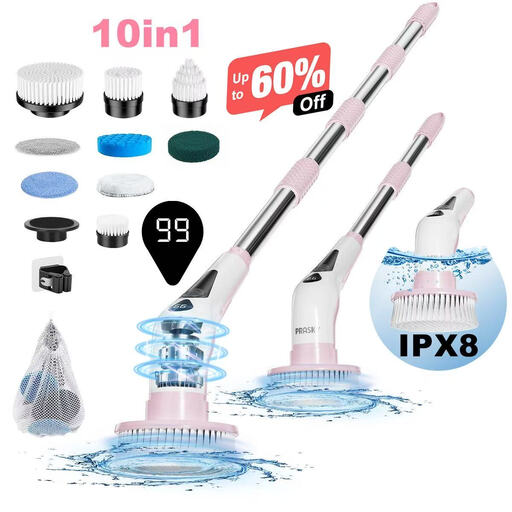
Why it suits this type of user: This cordless cleaning brush has two speed settings, an adjustable handle and several attachments for the bathroom, kitchen, windows and smaller outdoor areas.
The adjustable length means less bending. Before use, though, check that the attachments are suitable for your surfaces and read the guidance on water resistance.
80 W motor, 2 speed settings, USB-C charging and, according to the product description, nine interchangeable brush heads.
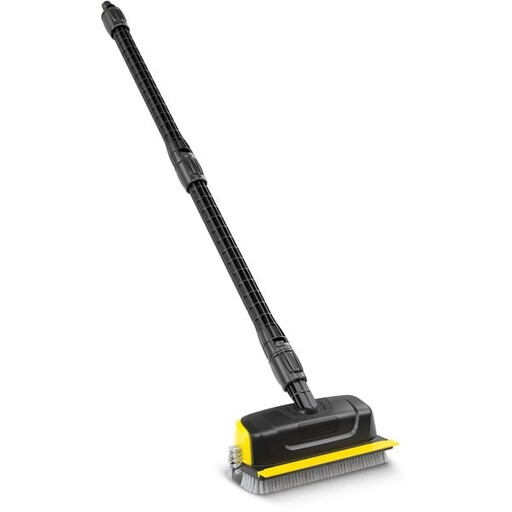
Why it suits this type of user: If you have a Kärcher pressure washer at home, this attachment is ideal for cleaning small to medium-sized areas such as patios, balconies, steps and driveways with greater control.
Compatibility is clearly specified for Kärcher models K 2 to K 7, so you can check the connection before buying.
29 cm working width, 360-degree rotation, side nozzle and replaceable dirt squeegee; product specifications give the weight as approximately 900 g.
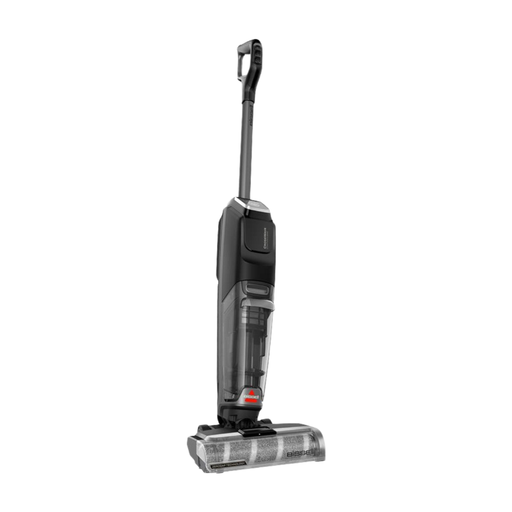
Why it suits this type of user: This wet and dry vacuum cleaner is designed for hard floors, tiles and carpets, combining dry vacuuming with damp mopping.
The separate tanks make it easy to keep track of clean and dirty water. However, cleaning the roller, filter and tanks is still part of every use.
0.63-litre clean water tank, 0.44-litre dirty water tank, three cleaning modes and a stated running time of up to 30 minutes.
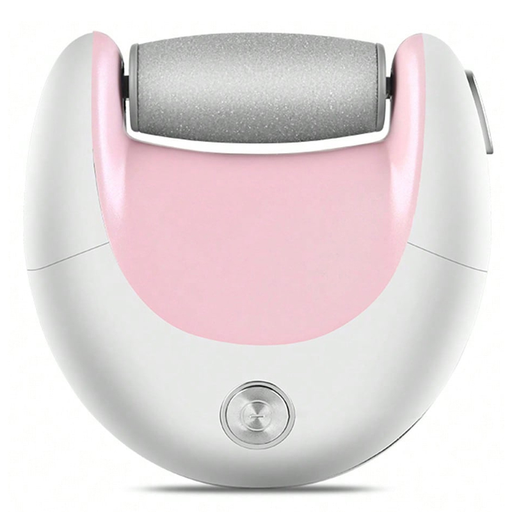
Why it suits this type of user: This compact foot-care device is designed for a simple daily routine at home or when travelling, and doesn’t need to be assembled.
The specifications are straightforward: 110 g weight, USB charging cable and a replaceable sanding head. This makes it easier to see what you’re getting before you buy.
2.0 W rated power, 3.7 V operating voltage and compact dimensions of approximately 85 × 83 × 31 mm.
We’ve put together a complete, regularly updated list of products that meet these strict selection criteria and fully comply with the safety regulations in force in the EU.
Their lifespan depends on the battery, motor, seals and how well you look after them. After each use, clean the dirty water tank, brushes and filters as instructed. It’s also a good idea to store cordless devices somewhere dry and frost-free. Replaceable parts such as rollers, sanding heads and filters should be changed when needed.
Running costs include electricity, water, cleaning products and replacement parts. For cordless devices, charging frequency and battery age also affect costs. A device with separate tanks can make water use easier to manage day to day, while brushes and filters may need replacing regularly.
No. Before you buy, check the manufacturer’s guidance on use with hard floors, tiles, carpets, glass or outdoor surfaces. Don’t use hard brushes on delicate finishes, and test cleaning products on an inconspicuous area first. For pressure washer accessories, the pressure setting, distance and material compatibility all need to be suitable.