
Lieferung heute & morgen

Qualitätsgarantie

Willkommens-Angebote freischalten: KOSTENLOSE Lieferung | Bis zu 80 % RABATT | Kostenlose 30-Tage-JoyPlus-Testphase
App herunterladen
Freshly ground coffee unleashes an aroma that pre-ground coffee from a package can rarely match. But the market for electric coffee grinders is vast, and the technical differences are significant. From the blade coffee grinder for quick use to the professional-grade coffee grinder with stepless adjustment, choosing the right device can be overwhelming.
This article serves as your guide. We'll introduce different types of electric coffee grinders, explain the crucial criteria for making a purchase, and present a selection of models for various needs and budgets. Our goal is to provide you with an objective basis for your buying decision.
Before you buy a coffee grinder, you should consider three key aspects: the grinding mechanism, the grind size adjustment options, and the overall build quality. These factors are decisive in determining the quality of the coffee grounds and, consequently, the taste experience in your cup.
The heart of any coffee grinder is its grinding mechanism. There are three main types:
The ability to precisely adjust the grind size is critical to getting the most out of your coffee beans and brewing method.
Pay attention to the materials used. Grinding mechanisms made of stainless steel or ceramic are durable and robust. Metal housings often have a more premium and sturdy feel than plastic ones. The size of the bean hopper should match your coffee consumption. Useful additional features can include anti-static technology to reduce stray coffee grounds or a timer for dose-specific grinding.
Based on the criteria mentioned, we have compiled a selection of models that cater to different user profiles.
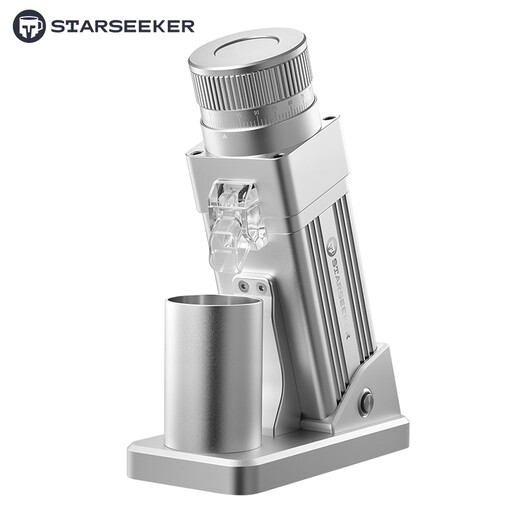
Why It Stands Out The Starseeker E55PRO is aimed at users with professional standards. Its solid metal body made of CNC-machined aluminium alloy and the large titanium alloy conical burr signal durability and precision. Special features like the built-in plasma generator to reduce static electricity set it apart from many other models.
Pros
Who It's For For ambitious home baristas and coffee enthusiasts looking for a coffee grinder for espresso and other demanding brewing methods, who value the highest precision, material quality, and durability.
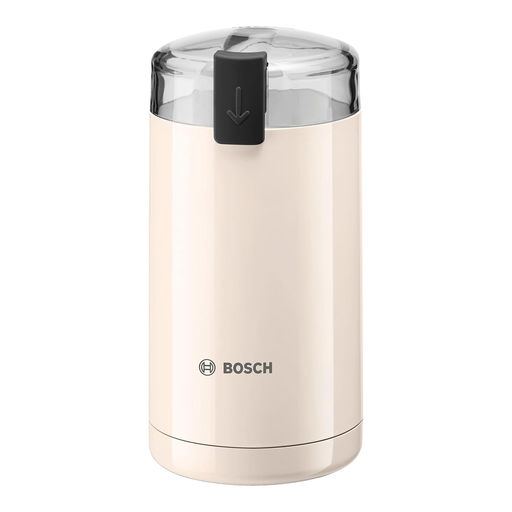
Why It Stands Out The Bosch TSM6A017C is a classic among entry-level models. As a compact blade coffee grinder, it focuses on the essentials: grinding coffee beans quickly and easily. Its simple operation and space-saving design make it a practical addition to any kitchen.
Pros
Who It's For For coffee novices, occasional coffee drinkers, or users looking for a very simple and budget-friendly solution for preparing filter or French press coffee.
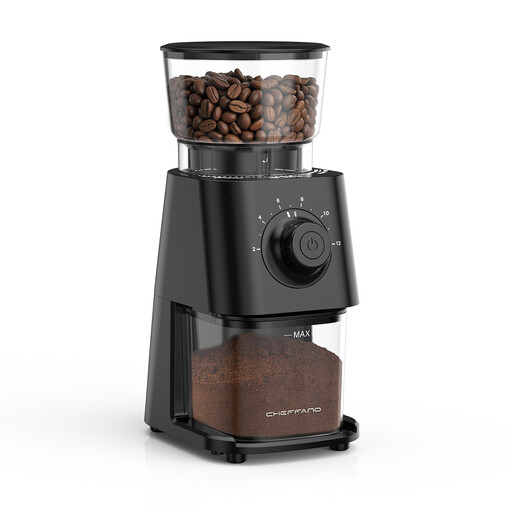
Why It Stands Out The CHEFFANO BG710 offers a remarkable feature set for its price point. With a stainless steel conical burr and 30 grind settings, it provides significantly better control over the grind than simple blade grinders and bridges the gap to higher-priced models.
Pros
Who It's For For budget-conscious coffee lovers who want to upgrade from a blade grinder and are looking for a versatile grinder for various brewing methods. It's a good compromise between functionality and budget.
The products featured cover a broad spectrum, but the world of coffee preparation is diverse. If you want to explore more options or complete your setup with a matching coffee machine, you'll find additional alternatives in our range.
Discover our full selection of Electric Coffee Machine and accessories and find the perfect appliance for your kitchen.
As a general guideline, you can use the following:
Always unplug the device from the power source before cleaning. The bean hopper and grounds container can usually be cleaned with a dry cloth or a soft brush. For the grinding mechanism itself, a brush is also recommended to remove coffee residue. With conical or flat burr grinders, it may be possible to disassemble the grinder for a more thorough cleaning, depending on the model. Always follow the manufacturer's instructions. Never immerse the motor unit in water.
A conical burr grinder generally produces a more uniform grind and generates less heat due to its slower rotation speed. This preserves the delicate aromas of the coffee bean. Therefore, it is often considered the superior technology for specialty coffee, especially for espresso. However, a blade coffee grinder can be a perfectly adequate, practical, and cost-effective option if you primarily brew filter coffee or French press and don't require micro-fine adjustments. The "better" choice ultimately depends on your personal needs, your preferred brewing method, and your budget.