Joybuy Insights

Electric Coffee Grinder Buyer's Guide: Key Considerations

For many, the aroma of freshly ground coffee is the epitome of a perfect start to the day. A high-quality electric coffee grinder is the decisive factor in extracting the full flavour from every bean. But the market is overwhelming and full of marketing promises that often fall short. Many buyers invest in a device only to find it's unsuitable for their needs. This guide will show you the most common pitfalls and what to look for to make an informed decision.

The 3 Most Common Mistakes When Buying a Coffee Grinder

Before looking at specific models, it's important to understand the typical issues that lead to disappointment and wasted money.

  1. The Blade Grinder Fallacy: Inexpensive electric grinders often use a blade grinder. These devices shatter the beans with rotating blades instead of grinding them. The result is an inconsistent coffee powder with a mixture of coarse chunks and fine dust. This leads to uneven extraction—the coffee tastes simultaneously watery and bitter. These devices are unsuitable for high-quality filter coffee or espresso.
  2. Insufficient Grind Settings: Many manufacturers advertise an "adjustable grind size" but offer only three to five coarse settings. This might be enough for a French press, but it's completely inadequate for preparing espresso. A good espresso coffee grinder requires very fine, micro-adjustments to create the perfect resistance for the water in the portafilter. A device without this precision is a wasted investment for espresso lovers.
  3. The Quality Trap of Combo Machines: An espresso machine with a built-in grinder or a drip coffee maker with a built-in grinder sounds convenient. However, the quality of the grinder is often compromised. A low-quality, integrated grinder can negate the performance of an otherwise good coffee machine and cannot be replaced or upgraded.

What Really Matters: The Core Parameters of a Good Grinder

To avoid these mistakes, you should focus on three technical features that directly influence the quality of the grind.

1. The Grinding Mechanism: The Heart of the Grinder

The grinding mechanism determines the consistency and quality of the coffee powder. There are fundamental differences here:

  • Conical Burr Grinder: Consists of an inner cone and an outer ring. These grinders rotate more slowly, generating less heat, which preserves the coffee's aroma. They are versatile and well-suited for a wide range of grind sizes, from espresso to filter coffee. Many high-quality grinders for home use rely on a conical burr grinder.
  • Flat Burr Grinder: Two parallel grinding discs grind the beans. They can deliver very precise and consistent results, especially in the fine range for espresso. However, they tend to generate more heat during prolonged use.
  • Material: The burrs are usually made of stainless steel or ceramic. Stainless steel is robust and sharp, while ceramic is considered even more durable and is completely flavour-neutral.

2. Adjustable Grind Size: Precision is Crucial

The ability to precisely adjust the grind size is not a luxury, but a necessity. Pay attention to the number of adjustment steps.

  • For Espresso: Look for grinders with at least 30 settings or a stepless (micrometric) adjustment. This is the only way to react to changes in bean type, humidity, or the age of the beans to ensure a consistent extraction time.
  • For Filter Coffee & Co.: The range is less critical here, but a sufficient number of settings (e.g., 15-20) allows you to optimise the taste for different brewing methods like Pour-Over, AeroPress, or French Press.

3. Build Quality and Additional Features

Other aspects influence handling and longevity:

  • Anti-Static Features: Grinding creates static electricity, which causes coffee grounds to stick to the chute and make a mess on your work surface. Some models have built-in ionisers or special materials to reduce this.
  • Grind Retention: This refers to the amount of coffee grounds left in the grinding chamber and chute after the grinding process. Low retention is important to ensure that only fresh powder is used for each grind.
  • Dosing: Dosing can be done via a timer or an integrated scale (grind-by-weight). Timer-based grinders are common, while grind-by-weight offers the highest precision.

Ideal Picks by Profile

Instead of making a one-size-fits-all recommendation, we have selected models that are tailored to specific user profiles and their requirements.
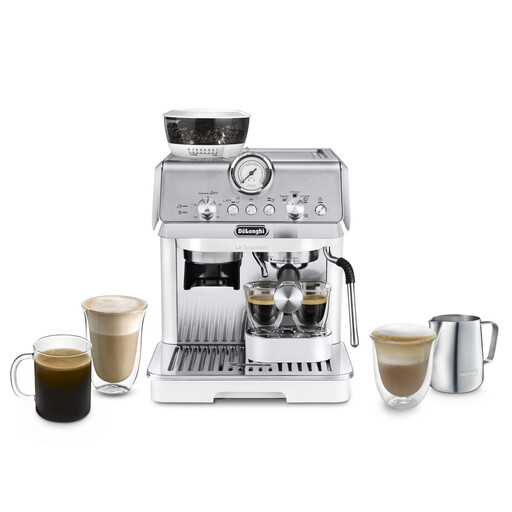
IDEAL FOR: BEGINNERS WANTING AN ALL-IN-ONE SOLUTION
DE‘LONGHI La Specialista Arte EC9155.W Espressomaschine mit Mahlwerk

DE‘LONGHI La Specialista Arte EC9155.W Portafilter Machine with Grinder

Why it's a good fit: Ideal for anyone looking for a complete barista station in one device, without having to worry about the compatibility of the grinder and machine. Perfect for getting started in the world of portafilter espresso.

How it avoids the pitfall

This device avoids the trap of a low-quality combo machine by offering an integrated conical burr grinder with 8 grind settings. This provides a solid foundation for espresso and avoids the coarse inconsistency of cheap grinders.

Key Advantage

Comes with a complete barista kit (tamper, milk pitcher, etc.), which makes getting started easier and saves on additional purchases.
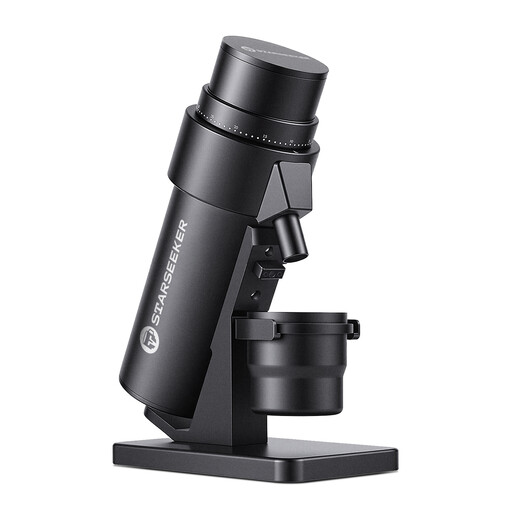
IDEAL FOR: ASPIRING HOME BARISTAS
Starseeker EDGE+ Electric Coffee Grinder with 63mm Burrs

Starseeker EDGE+ Electric Coffee Grinder with 63mm Burrs

Why it's a good fit: For users who demand maximum control and quality. A separate, high-performance grinder is the key to perfecting espresso and filter coffee, allowing you to pair it with an espresso machine of your choice.

How it avoids the pitfall

This model is a dedicated, high-performance grinder and avoids the pitfall of insufficient grind settings. It is explicitly designed for espresso and pour-over, offering the necessary precision for both.

Key Advantage

The large 63mm burr set ensures a very uniform grind and fast, low-heat grinding, which optimises aroma extraction.
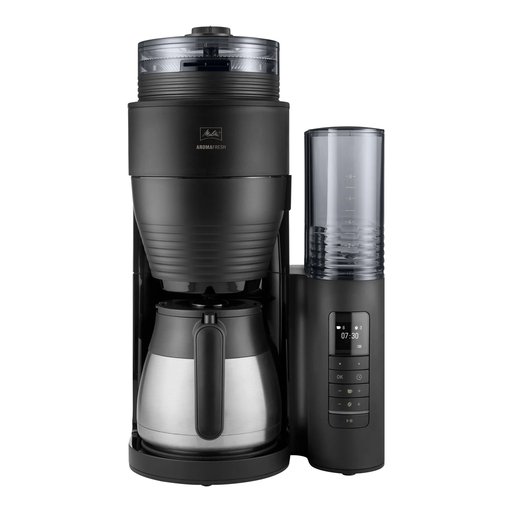
IDEAL FOR: PRAGMATIC DRIP COFFEE DRINKERS
Melitta AromaFresh Therm Pro 1030-11 Kaffeemaschine mit integriertem Mahlwerk

Melitta AromaFresh Therm Pro 1030-11 Drip Coffee Maker with Grinder

Why it's a good fit: For lovers of classic drip coffee who appreciate the convenience of an all-in-one solution and want to enjoy freshly ground coffee at the touch of a button, without dealing with the complexity of an espresso machine.

How it avoids the pitfall

This device is specifically designed for filter coffee. The integrated grinder is optimised for the medium grind sizes required for this method and delivers consistent results, rather than trying to cover all brew methods inadequately.

Key Advantage

The thermal carafe keeps the coffee hot for hours without "stewing" it on a hot plate. This preserves the aroma and prevents the coffee from becoming bitter.

Looking for more options?

We have compiled a complete, up-to-date list of products that fully meet these strict selection criteria and German safety regulations.

Frequently Asked Questions (FAQ)

1. How often do I need to clean an electric coffee grinder?

Regular cleaning is crucial for longevity and taste. A quick clean of the bean hopper and grounds container should be done after each use. The burrs themselves should be cleaned of old coffee oils and residues about every 1-2 weeks (depending on use) with a brush or specialised grinder cleaning pellets. Never use water to clean the grinding mechanism, as this can lead to rust and damage the electronics.

2. Which grind size is suitable for which coffee preparation method?

As a rule of thumb: the shorter the water's contact time with the coffee, the finer the grind needs to be.

  • Very fine (like powdered sugar): Turkish Coffee
  • Fine (like table salt): Espresso (portafilter machine)
  • Medium-fine: AeroPress, Moka pot
  • Medium: Pour-over dripper, classic drip coffee maker
  • Coarse (like coarse sea salt): French Press, Cold Brew

3. Is an espresso machine with an integrated grinder worth it?

That depends on your priorities. For beginners who value convenience and a small footprint, a high-quality portafilter machine with a built-in grinder can be an excellent choice. It offers a coordinated system from a single source. For coffee enthusiasts who want maximum flexibility and control over every variable, a combination of a separate, high-quality espresso coffee grinder and an espresso machine is often the better long-term investment, as both components can be upgraded independently.