
Lieferung heute & morgen

Qualitätsgarantie

Willkommens-Angebote freischalten: KOSTENLOSE Lieferung | Bis zu 80 % RABATT | Kostenlose 30-Tage-JoyPlus-Testphase
App herunterladen
The path to a more flavorful cup of coffee begins with freshly ground beans. However, choosing the right electric coffee grinder is fraught with pitfalls that often only become apparent after purchase, compromising the final result in your cup. Before you make a decision, you should be aware of three common problems that can mean the difference between delight and disappointment.
Many models on the market advertise numerous features, but the crucial quality markers are in the details. Pay attention to these three weaknesses to avoid a bad investment.
To avoid the problems mentioned above, you should focus on the technical fundamentals. Two factors are crucial for a grinder's performance.
The grinding mechanism determines the quality of the grind. There are three main types:
A precise coffee grinder with grind size adjustment is essential to tailor the grind to the preparation method. A fine setting is necessary for a grinder for espresso, while a grinder for filter coffee or a French press requires a coarser grind. We distinguish between stepped adjustments (with fixed clicks) and stepless adjustments, which allow for micro-adjustments and are particularly relevant for use with a portafilter machine.
Based on these objective criteria, we have identified models that represent a suitable solution for different user profiles.
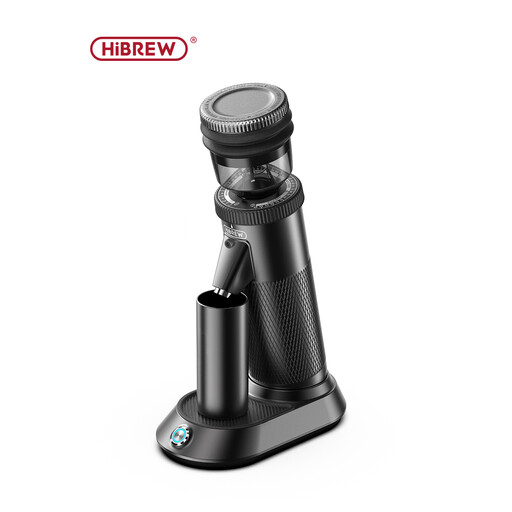
Why This Fits Their Persona: This model offers a solid entry point into the world of precision grinding. It's designed for users seeking a significant improvement over blade grinders without a large initial investment.
The CNC-machined 48mm conical burr set ensures a consistent grind. The slow-grind option (400 RPM) reduces heat build-up and preserves aromas.
Offers 36 grind settings for various brew methods and a sturdy aluminum alloy body for enhanced stability.
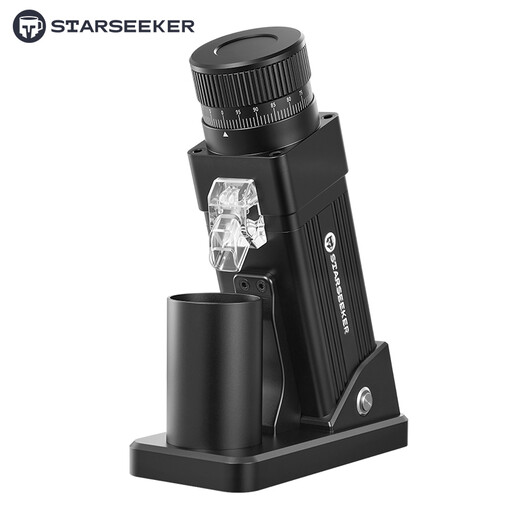
Why This Fits Their Persona: Ideal for portafilter machine users who need maximum control over their grind size to unlock the full potential of their espresso beans.
The stepless grind adjustment allows for precise micro-adjustments. The integrated plasma generator actively counteracts static build-up, preventing messy coffee grounds.
Large 55mm titanium alloy conical burr set for high consistency and durability. The all-metal housing ensures maximum stability during grinding.
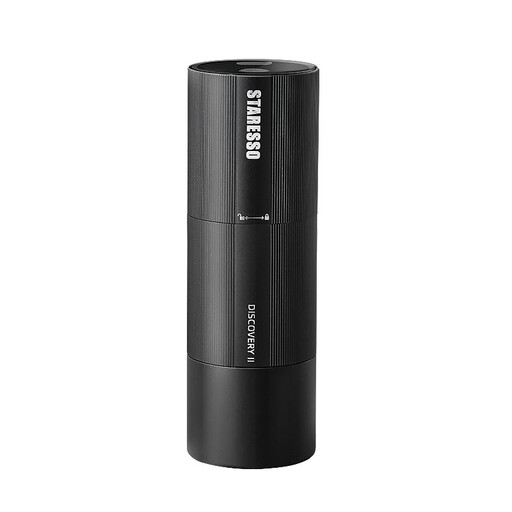
Why This Fits Their Persona: This portable coffee grinder is designed for coffee lovers who don't want to compromise on freshly ground coffee, whether at the office, traveling, or camping.
Despite its compact design, it features a stainless steel burr set with a dual-bearing system, which prevents the instability common in smaller grinders and ensures a uniform grind.
Battery-powered with a modern Type-C charging port, adjustable grind settings for various brew methods, and a robust all-metal housing for durability.
We have compiled a complete, up-to-date list of products that fully meet these strict selection criteria and German safety regulations.
For consistent coffee quality, it's recommended to clear loose grounds from the bean hopper and grounds container with a brush after each use. A more thorough cleaning of the burrs themselves should be done every one to four weeks, depending on usage. You can use special cleaning pellets for this, or, if permitted by the manufacturer, disassemble the burr set and clean it with a brush. Never use water to clean the grinding mechanism, as this can cause rust.
As a rule of thumb: the shorter the contact time between water and coffee, the finer the grind needs to be.
The decision depends on your priorities. An electric coffee grinder offers convenience, speed, and is ideal for preparing larger quantities or for daily use, especially for fine grinds like espresso. A manual coffee grinder is often more affordable, silent, requires no electricity, and is very portable. However, for coffee enthusiasts who brew regularly, investing in an electric model with a quality burr set represents a significant upgrade in both convenience and consistency.