
Lieferung heute & morgen

Qualitätsgarantie

Willkommens-Angebote freischalten: KOSTENLOSE Lieferung | Bis zu 80 % RABATT | Kostenlose 30-Tage-JoyPlus-Testphase
App herunterladen
For many, the aroma of freshly ground coffee beans is the epitome of a perfect start to the day. A high-quality electric coffee grinder is the key to unlocking that aroma from the bean and into your cup. However, the market is crowded and filled with devices that promise more than they deliver. Before you make a decision, it's crucial to understand the common pitfalls that often lead to disappointing results.
Many beginners reach for budget-friendly models without understanding the technology behind them. The result is often unevenly ground coffee and a bland or even burnt taste. Two common problems lead to such bad purchases:
An informed decision based on solid technical parameters will protect you from these disappointments and ensure that your investment pays off in every cup.
To separate the wheat from the chaff, you should focus on a few crucial technical features. These are the primary determinants of the quality of your grind and, consequently, the final result in your cup.
The burr set is the most important component. This is where the quality of the coffee grounds is determined. For home use, two types have become particularly established:
For most home users, a conical burr grinder offers an excellent balance of grind quality, durability, and low noise levels.
Every brewing method requires a different level of fineness. A French press needs a coarse grind, while a coffee grinder for espresso or a coffee grinder for a portafilter machine must produce an extremely fine and uniform powder. Therefore, look for the following features:
Having a precisely adjustable grind size is not a luxury feature but a fundamental requirement for preparing high-quality coffee.
A good design minimises problems like static buildup and coffee ground retention.
The choice of the right grinder heavily depends on your personal habits and preferred coffee preparation method. Here are some recommendations tailored to different user profiles.
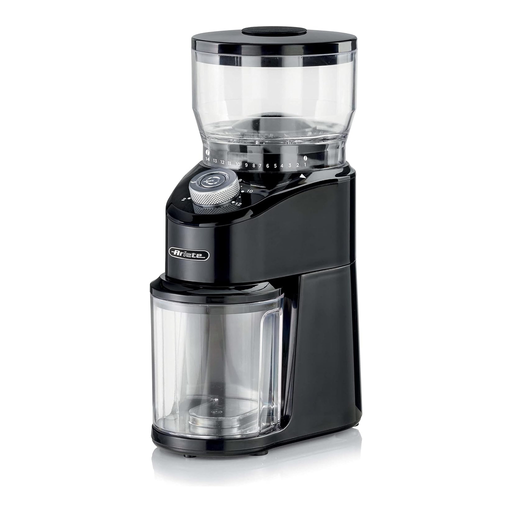
Why This Fits Their Persona: Ideal for anyone looking to upgrade from pre-ground coffee or a blade grinder without a large initial investment. It provides the essential features for better filter coffee or French press.
This model uses a stainless steel conical burr set instead of blades. This prevents overheating the beans and ensures a significantly more uniform grind result than cheap devices.
Offers 14 grind settings and a quantity selection for 2 to 12 cups. The removable burrs make cleaning easier.

Why This Fits Their Persona: Perfect for home baristas who use a portafilter machine and need full control over their grind size. The fine adjustment capabilities are crucial for preparing a balanced espresso.
With 36 grind settings, the G5 offers the precision required for espresso that simpler grinders can't provide. The anti-static coating and powder knocker also reduce grind retention and the mess caused by static-charged coffee grounds.
Uses a 48mm CNC conical burr set for high consistency. The slow-grind option (400 RPM) reduces heat buildup and preserves aroma.
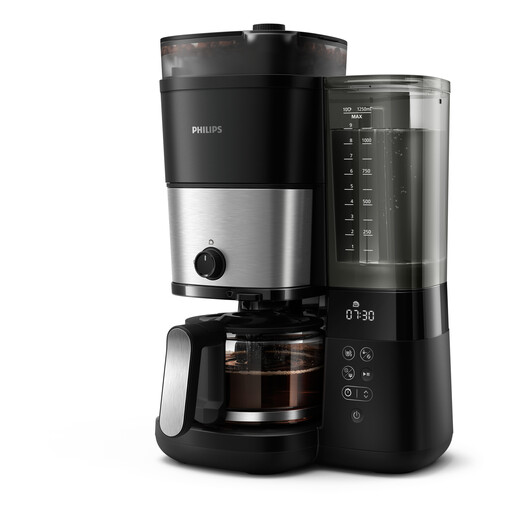
Why This Fits Their Persona: For those who appreciate the convenience of a filter coffee machine but don't want to sacrifice the aroma of freshly ground beans. Ideal for busy mornings when everything needs to be quick and easy.
This device integrates a grinder directly into the coffee machine. It eliminates the need to buy and coordinate two separate appliances. The integrated burr grinder grinds the beans fresh for every brew cycle.
Combines grinding and brewing in one automated process. Features like a timer, adjustable coffee strength, and a keep-warm function offer maximum convenience.
We've curated a complete, up-to-date list of products that fully meet these strict selection criteria and UK safety regulations.
Regular cleaning is crucial for consistent flavour and the longevity of the grinder. A quick clean after each use is recommended: tap out loose powder and briefly brush the outlet. A more thorough cleaning, where you remove the bean hopper and ideally the upper burr, should be done every 1-2 weeks, depending on usage. This removes old coffee oils and residues that can go rancid.
As a general guideline:
Start with the recommended setting and adjust it gradually to find the perfect taste for you.
Yes, for most home users, a conical burr grinder is an excellent choice. It offers very good grind consistency, operates relatively quietly, and generates little heat, which preserves the delicate aromas of the coffee beans. The investment in such a device pays off with a significant improvement in coffee quality, especially when compared to blade grinders or pre-ground coffee.