
Lieferung heute & morgen

Qualitätsgarantie

Willkommens-Angebote freischalten: KOSTENLOSE Lieferung | Bis zu 80 % RABATT | Kostenlose 30-Tage-JoyPlus-Testphase
App herunterladen
The difference between pre-ground and freshly ground coffee is fundamental. For many coffee lovers, an electric grinder is the first step towards a significantly richer aroma in the cup. However, the market is crowded and full of marketing promises that often lead to costly purchasing mistakes. Before you make a decision, you should be aware of three common pitfalls that can quickly spoil your coffee experience.
To avoid these problems and find a device that meets your needs, three technical features are crucial.
The burr set is the primary determinant of grind quality. The most common types for home use are conical and flat burrs.
The material is also relevant. Hardened steel burrs are robust and durable. Ceramic burrs are flavour-neutral and corrosion-resistant but can be more prone to fracturing if they encounter foreign objects (e.g., a small stone mixed in with the beans).
The ability to have an adjustable grind size is essential. Whether you're looking for a grinder for espresso or for filter coffee, the required particle size of the coffee grounds varies significantly.
A high number of adjustment steps or a stepless mechanism is a clear indicator of quality, enabling precise electric coffee bean grinding.
A quiet coffee grinder is not only more pleasant to use daily but also often points to sophisticated engineering. Slow-running, high-torque motors have an advantage here. They grind powerfully yet gently. Also, look for features that reduce static build-up, such as special coatings on the outlet or built-in ionisers, to minimise the mess from scattered coffee grounds.
Based on these criteria, we have identified several models suitable for different user profiles and their specific requirements.

Why this model fits: With 36 grind settings and a 48mm conical burr set, it provides a solid foundation for taking the first steps with a portafilter machine without breaking the bank.
It bypasses the "jack-of-all-trades" trap by offering a sufficient number of grind settings that allow for fine adjustments for espresso, a feature lacking in many entry-level models.
Excellent value for money for espresso beginners; features two speed settings to reduce heat build-up.
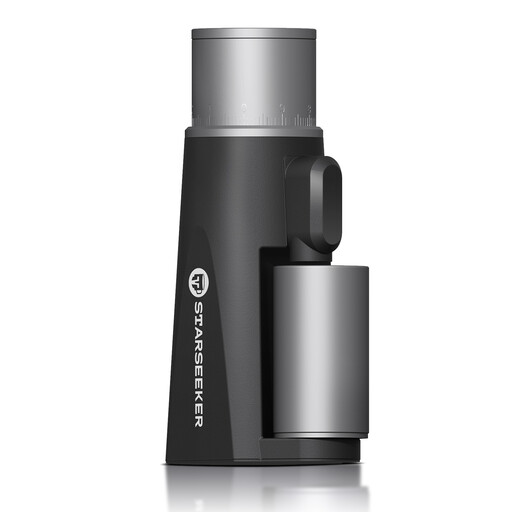
Why this model fits: As a wireless, rechargeable coffee grinder, it's ideal for travel, the office, or camping. It frees you from the power outlet and allows for fresh coffee anywhere.
Its slow grinding speed of 100 RPM actively counteracts the heat and noise pitfall, preserving the beans' aroma—a rare feature in compact devices.
Cordless operation with long battery life; stepless grind adjustment for maximum flexibility on the go.

Why this model fits: Designed for users who seek maximum control and minimal compromise. The large titanium burr set and stepless adjustment allow for professional-level fine-tuning of espresso.
It actively combats the static pitfall with a built-in plasma generator that prevents coffee grounds from scattering. The low grind retention ensures fresh grounds with every use.
Professional 55mm titanium conical burr set; stepless micrometric adjustment and anti-static technology.
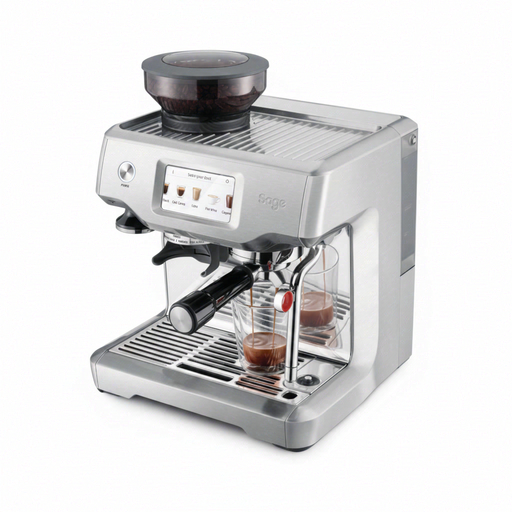
Why this model fits: Perfect for those who prefer an integrated system where the grinder and machine are optimally matched. Ideal for a café-quality experience at home with minimal effort.
As an espresso machine with a built-in grinder, it solves the compatibility problem between the grinder and the machine. The integrated conical burr set is calibrated to the brew unit, ensuring consistent extraction.
Integrated system with touchscreen operation; automatic milk frothing system and a rapid 3-second heat-up time.
We have compiled a complete, up-to-date list of products that fully meet these strict selection criteria and comply with German safety standards.
For consistent flavour quality, a basic weekly cleaning is recommended. Remove any remaining beans from the hopper and brush out the burrs and the output chute. A deep clean using special grinder cleaning pellets (grain-based granules) should be performed every 1-3 months, depending on usage, to remove old coffee oils that can turn rancid and affect the taste.
As a rule of thumb: the shorter the contact time between water and coffee, the finer the grind.
An espresso machine with a built-in grinder offers several advantages. It saves counter space and ensures that the grinder and brew unit are calibrated to each other. This simplifies the learning curve and provides consistent results. For users who value convenience and an optimised all-in-one system, this is an excellent option. Advanced users, however, sometimes prefer separate devices for greater flexibility in upgrading individual components.