
Lieferung heute & morgen

Qualitätsgarantie

Willkommens-Angebote freischalten: KOSTENLOSE Lieferung | Bis zu 80 % RABATT | Kostenlose 30-Tage-JoyPlus-Testphase
App herunterladen
Switching from pre-ground coffee to freshly ground beans is a crucial step towards a more flavourful cup. However, the market for electric coffee grinders is overwhelming. Many models overpromise and underdeliver, leading to disappointment and wasted money. Before you buy a coffee grinder, it's essential to know the most common pitfalls lurking behind glossy product descriptions.
This guide will help you separate the wheat from the chaff. We focus on the technical features that truly matter and show you how to make an informed decision that suits your coffee habits.
Many buyers are swayed by marketing promises or price alone, overlooking critical technical flaws. These three mistakes are particularly costly:
To avoid these traps, you should focus on three core aspects. These determine the performance and longevity of your future grinder.
This is the most fundamental distinction. A burr grinder is superior to a blade grinder for most coffee preparations.
Having an adjustable coffee grinder is essential if you use more than one brewing method. The number of grind settings indicates the device's versatility.
Pay attention to the materials of the grinding mechanism and the stability of the housing.
Instead of making a blanket recommendation, we have selected models for different user profiles based on the criteria mentioned above.
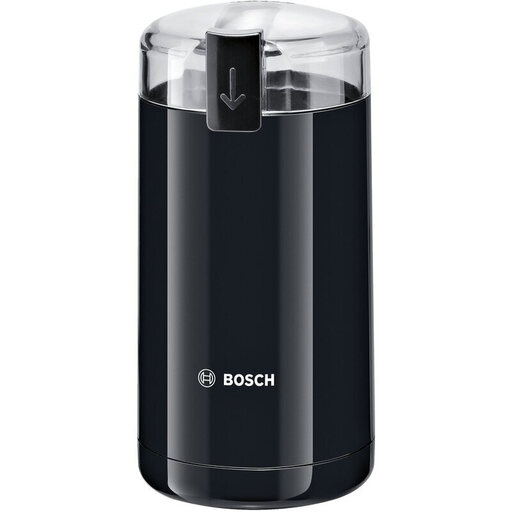
Why This Fits Their Persona: Ideal for users who want to switch from pre-ground to freshly ground coffee for filter or French press. This small coffee grinder is straightforward, compact, and reliably gets the job done without pretending to be a professional device.
This model is an honest blade grinder. It doesn't promise espresso capabilities, thus avoiding the "all-in-one" myth. It's a solid entry-level device for simple brewing methods.
Simple Operation: Grinding only starts when the lid is on and the switch is pressed. Compact Design: Takes up little space in the kitchen and is easy to store.
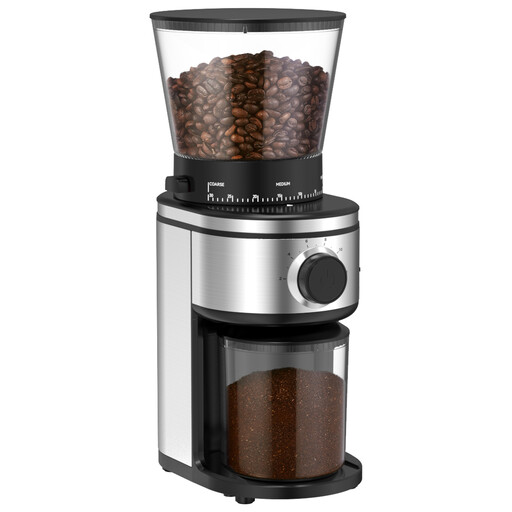
Why This Fits Their Persona: Perfect for coffee lovers who want to take the next step in quality and experience the benefits of a true burr grinder. With 30 grind settings, it offers the flexibility needed to experiment with different beans and brewing methods.
This model avoids the low-quality grinder trap. It uses a genuine stainless steel conical burr grinder that consistently grinds the beans instead of just shattering them.
30 Grind Settings: Offers a wide range from fine to coarse for various preparation methods. Consistent Grind Results: The conical burr ensures a uniform particle size for better extraction.
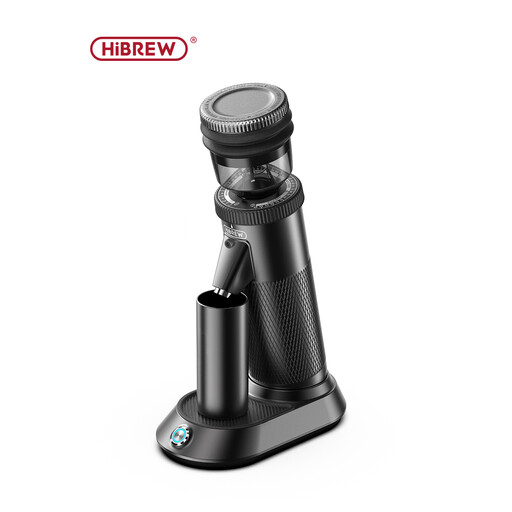
Why This Fits Their Persona: Designed for home baristas who need precise control over the grind size for their portafilter machine. The fine adjustment options and high-quality burr set are tailored to the demands of espresso.
This model specifically addresses the weaknesses of all-rounder grinders. With 36 grind levels and a CNC-machined 48mm conical burr grinder, it provides the precision essential for making true espresso.
Precise Grind Adjustment: 36 settings allow for fine-tuning for espresso and other methods. Low-Heat Grinding: The slow grinding mode (400 RPM) preserves the coffee beans' delicate aromas.
We have compiled a complete, up-to-date list of products that fully meet these strict selection criteria and UK safety regulations.
For optimal results and a long lifespan, the grinder should be cleaned regularly. Remove loose coffee grounds from the container and chute after each use. A more thorough cleaning of the burrs to remove oily residues is recommended every 1-2 weeks, depending on frequency of use. Special cleaning pellets are available for this, or you can disassemble the burrs (if permitted by the manufacturer) and clean them with a brush. Never submerge the motor housing in water.
Blade grinders (like the Bosch TSM6A013B) are often also suitable as an electric spice grinder for dry spices or nuts. For grinders with conical or flat burrs, this is strongly discouraged. The oils and hardness of spices or nuts can clog or damage the burrs. Always check the manufacturer's instructions.
As a rule of thumb: the shorter the contact time between water and coffee, the finer the grind needs to be.