
Lieferung heute & morgen

Qualitätsgarantie

Willkommens-Angebote freischalten: KOSTENLOSE Lieferung | Bis zu 80 % RABATT | Kostenlose 30-Tage-JoyPlus-Testphase
App herunterladen
By the Joybuy Product Recommendation Officer, August 29, 2026
The aroma of freshly ground coffee beans is, for many, the perfect start to the day. But disappointment often follows: despite using high-quality beans, the coffee tastes flat or bitter. The culprit is often not the coffee machine, but the wrong kind of grinder. Finding a good electric coffee grinder is crucial, yet the market is flooded with models making exaggerated claims. Before you make a decision, you should know the three most common traps that lead to buyer's remorse.
To avoid these traps and make an informed choice, you should examine three core technical aspects. These are the primary factors that determine the quality of your grind and, ultimately, your coffee.
The most important distinction is between a blade mechanism and a true burr grinder. A high-quality electric burr coffee grinder is essential for a consistent result. There are two common types:
The material is also important. Stainless steel burrs are robust and durable, while ceramic burrs are considered especially heat-neutral and wear-resistant.
Great coffee requires a grind size that is precisely matched to the brewing method. A coffee grinder with adjustable settings is therefore a must-have. Don't just look at the number of steps, but at the fineness of the increments. For an espresso coffee grinder in particular, micro-adjustments (often called stepless adjustment) are critical to achieving the perfect extraction pressure. For filter coffee or French press, larger steps are sufficient, but the consistency of the grind remains just as crucial.
A powerful, low-RPM motor is a mark of quality. It provides consistent torque without damaging the beans with frictional heat. Furthermore, these motors are often more durable and quieter. To solve the problem of static charge, manufacturers of higher-end models integrate anti-static technologies, such as an ioniser at the chute, which neutralises the coffee grounds and ensures a mess-free experience.
Instead of presenting an overwhelming list, we've selected models that meet specific user profiles and avoid the pitfalls mentioned above.
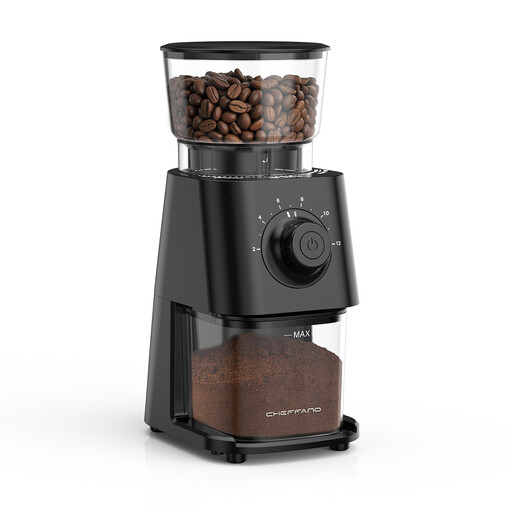
Why it's a good fit: This model is ideal for coffee drinkers looking to upgrade from a blade grinder without a major investment. It offers the fundamental advantages of a true burr grinder for a significantly better at-home coffee experience.
The hardened stainless steel conical burr ensures a consistent grind, bypassing the quality issues of cheap blade grinders.
Offers 30 grind settings that cover a good range from espresso to French press, providing flexibility for various brewing methods.

Why it's a good fit: For those who want to perfect their espresso game. This machine offers professional-grade features essential for precise grind control, aimed at users willing to invest in quality and precision.
The stepless grind adjustment solves the problem of imprecise setting increments. The integrated plasma generator effectively counteracts static, preventing coffee grounds from flying everywhere.
A large 55mm titanium alloy conical burr and a CNC-milled metal body ensure precision, durability, and consistent, high-level grinding performance.
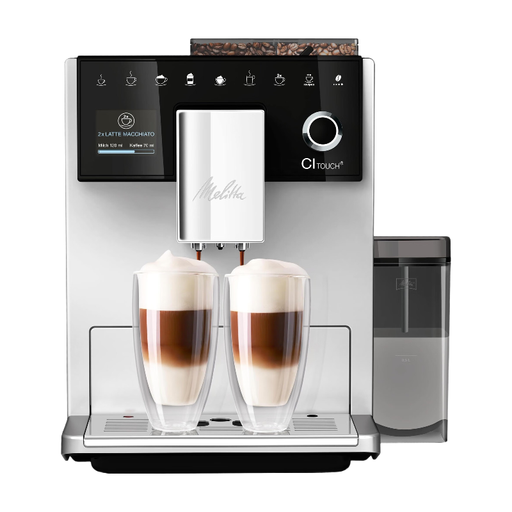
Why it's a good fit: For users seeking the convenience of an all-in-one solution. This machine combines a high-quality electric coffee bean grinder with a fully automatic coffee maker, preparing various specialities at the touch of a button.
The integrated steel conical burr grinder ensures that beans are freshly and gently ground for every cup, eliminating the need for a separate, potentially mismatched grinder.
It offers ultimate convenience with programmable user profiles, a milk system, and a wide variety of recipes. The dual-chamber bean hopper also allows for an easy switch between different types of beans.
We have compiled a complete, up-to-date list of products that fully meet these strict selection criteria and all relevant safety standards.
Regular cleaning is crucial for the longevity of the device and the taste of your coffee. The bean hopper and grounds container should be cleaned weekly. The burrs themselves should be cleared of coffee oils and residue every one to two months. Many models can be easily disassembled for this purpose. Use a brush or special grinder cleaning pellets. Water should never come into direct contact with the burrs.
As a rule of thumb: the shorter the contact time between water and coffee, the finer the grind.
For coffee lovers who value aroma and consistency, a conical burr coffee grinder is a worthwhile investment. Compared to blade grinders, the difference in taste is significant. They provide a gentle grind that preserves the coffee bean's aromas and enables a more even extraction. For anyone who wants to make more than just basic filter coffee, a conical or flat burr grinder is the foundation of great coffee.